



Small apartment living often comes down to how well each area works during everyday life. A balcony becomes storage. A hallway becomes a drop zone. Laundry takes over the floor. A window ledge sits unused because it feels too shallow or uncomfortable. Solving these problems does not always require construction or a larger home. They often need better decisions about what belongs on the floor, what can move upward, and what should serve more than one purpose.
These small apartment space-saving ideas focus on practical changes you can make without major renovation. The goal is to create clearer walkways, better storage, easier laundry drying, and small comfort zones that make your apartment feel more usable.
The Balcony: Stop Storing Stuff, Start Sitting Down
In many apartments, the balcony becomes a place for things that do not fit indoors. Extra pots, folded chairs, cleaning tools, laundry racks, and boxes slowly take over. The result is a space that technically belongs to the home but rarely feels inviting.
Start by deciding what the balcony should do first. If you want it to be a place for morning coffee, keep the furniture simple. One compact chair and a small table may work better than a full outdoor set. If the balcony is wider, a narrow bench against one side can create seating without cutting through the walkway.
Do not assume every small balcony can fit two chairs and a table. It depends on the balcony shape, door clearance, railing position, building rules, and how much walking space you need. Before buying anything, stand in the space and check where the door opens, where your feet go when you sit down, and whether you can still move safely.
The catch with balcony seating is that standard patio cushions do not always fit narrow chairs, built-in ledges, compact benches, or furniture with unusual dimensions. If your seating does not take standard sizes, custom outdoor cushions made to your measurements can help the area feel more comfortable and intentional without adding more furniture.
Keep plants and small decor off the main walking path where possible. Wall shelves, railing planters, hanging baskets, or a slim plant stand can add greenery without taking over the floor. If you use hooks, follow the hook manufacturer’s instructions and confirm compatibility with the wall, railing, or surface before attaching anything.
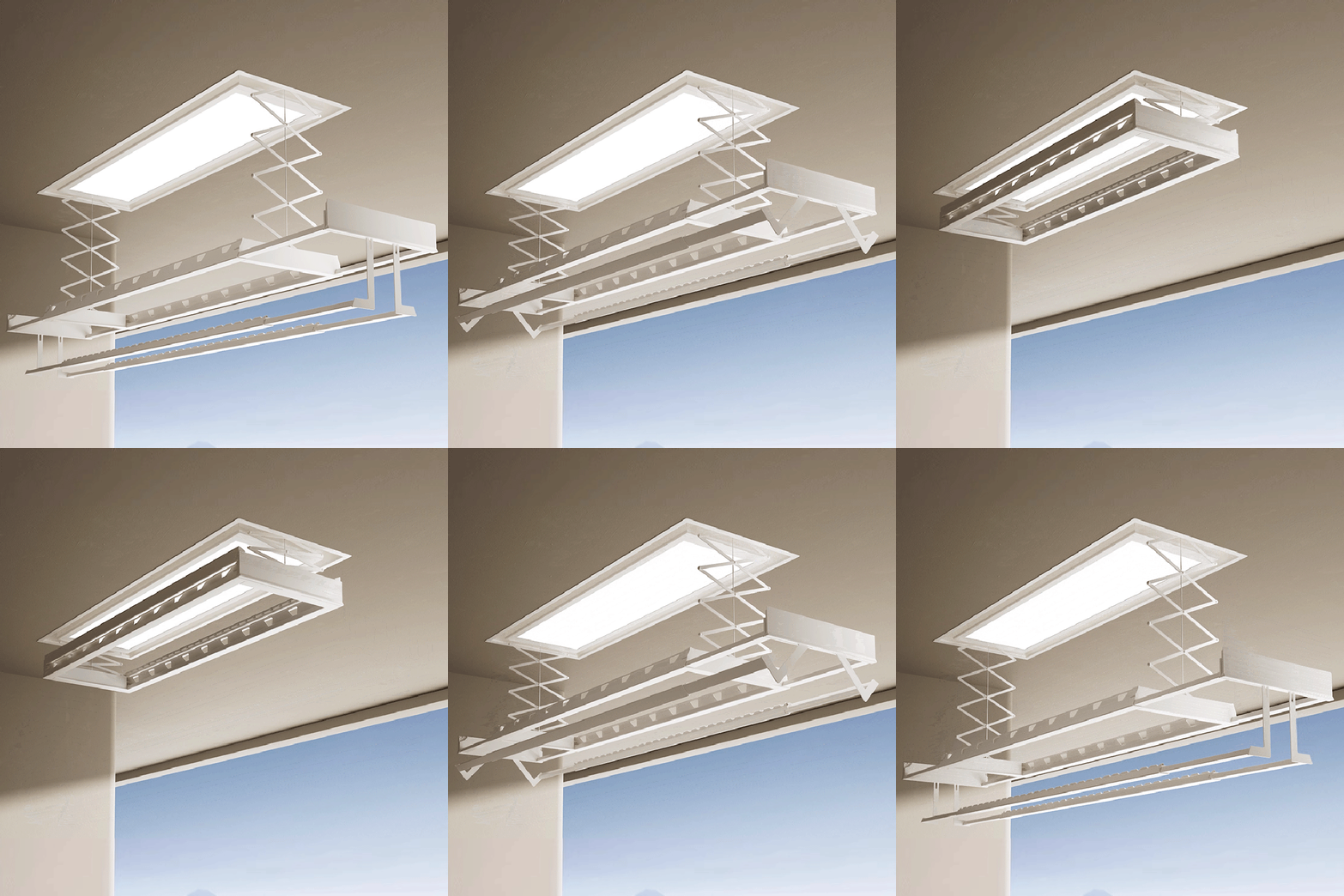
If your balcony also serves as a laundry area, plan the drying setup before filling the space with furniture. A large freestanding rack can quickly occupy the same floor area you want to use for seating. Keeping laundry equipment foldable, retractable, or elevated makes the layout easier to adapt from one day to the next.
Laundry: Reclaim Your Floor with Vertical Drying
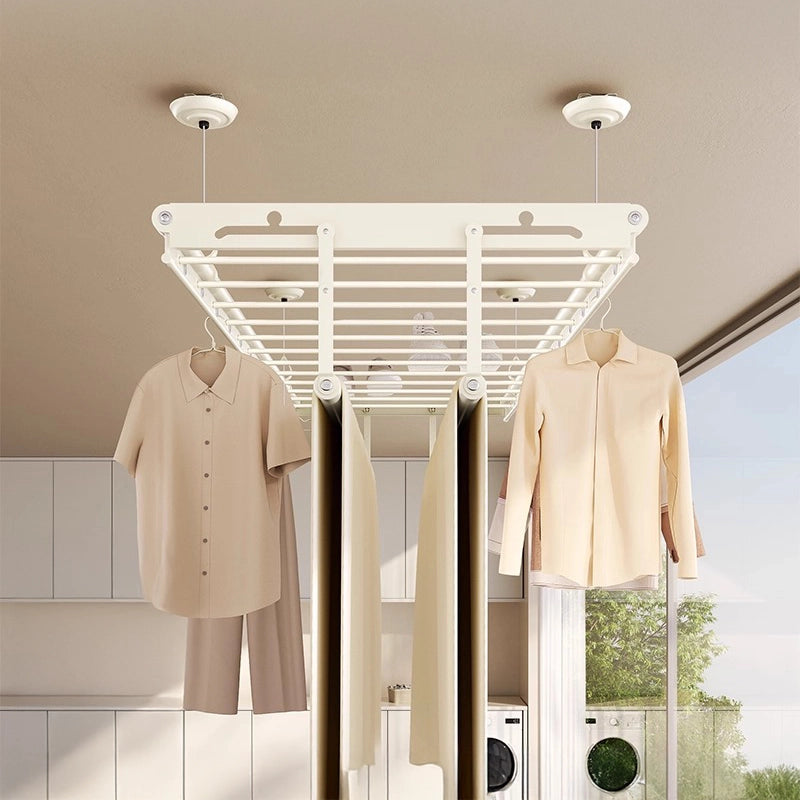
Laundry is one of the biggest space problems in a small apartment. A floor rack can block the living room for much of the day, and moving it from room to room becomes part of the routine. If you dry clothes indoors often, the drying setup deserves its own plan.
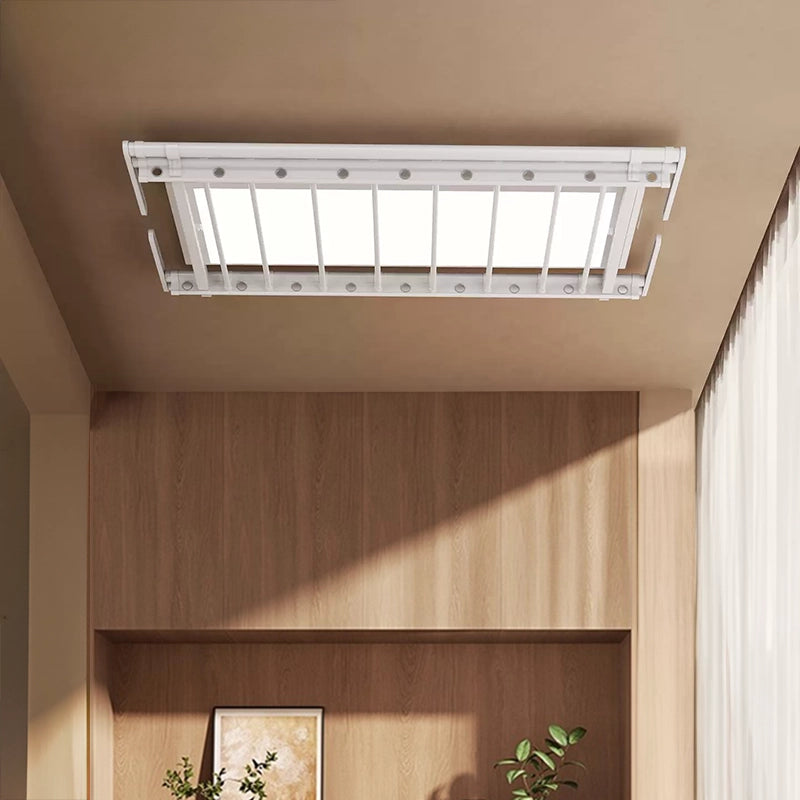
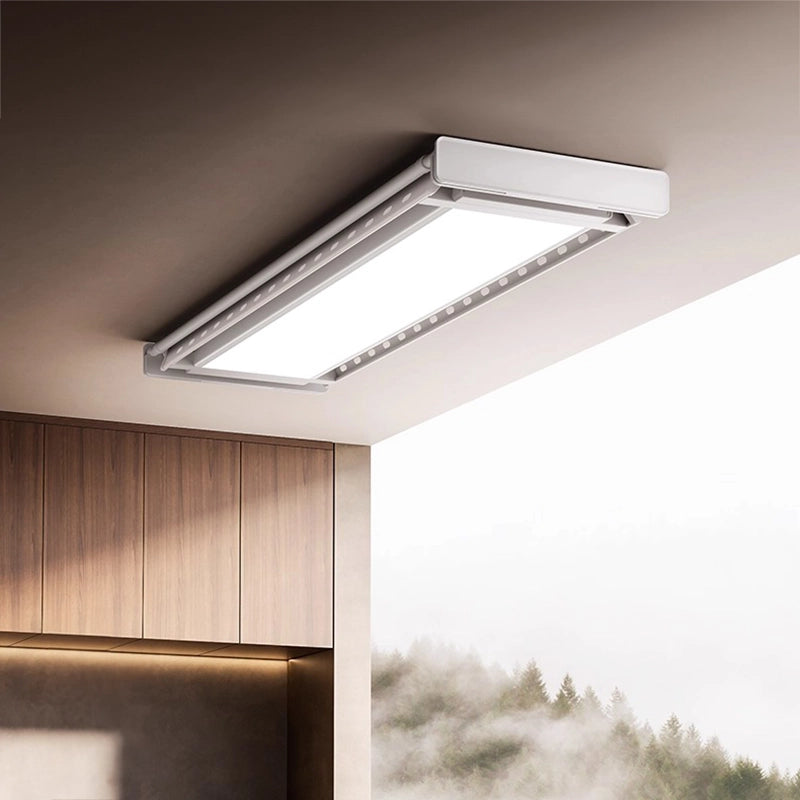
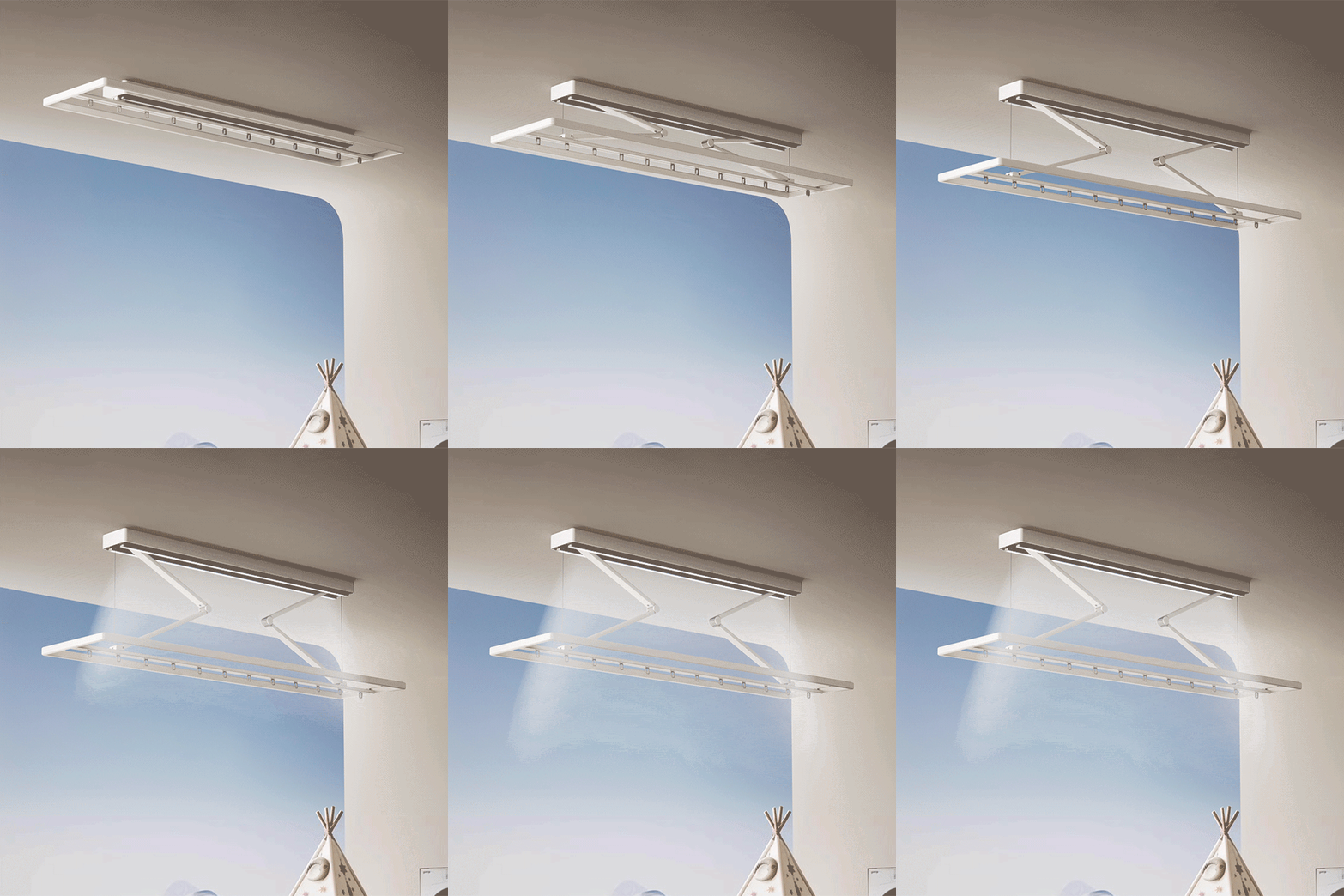
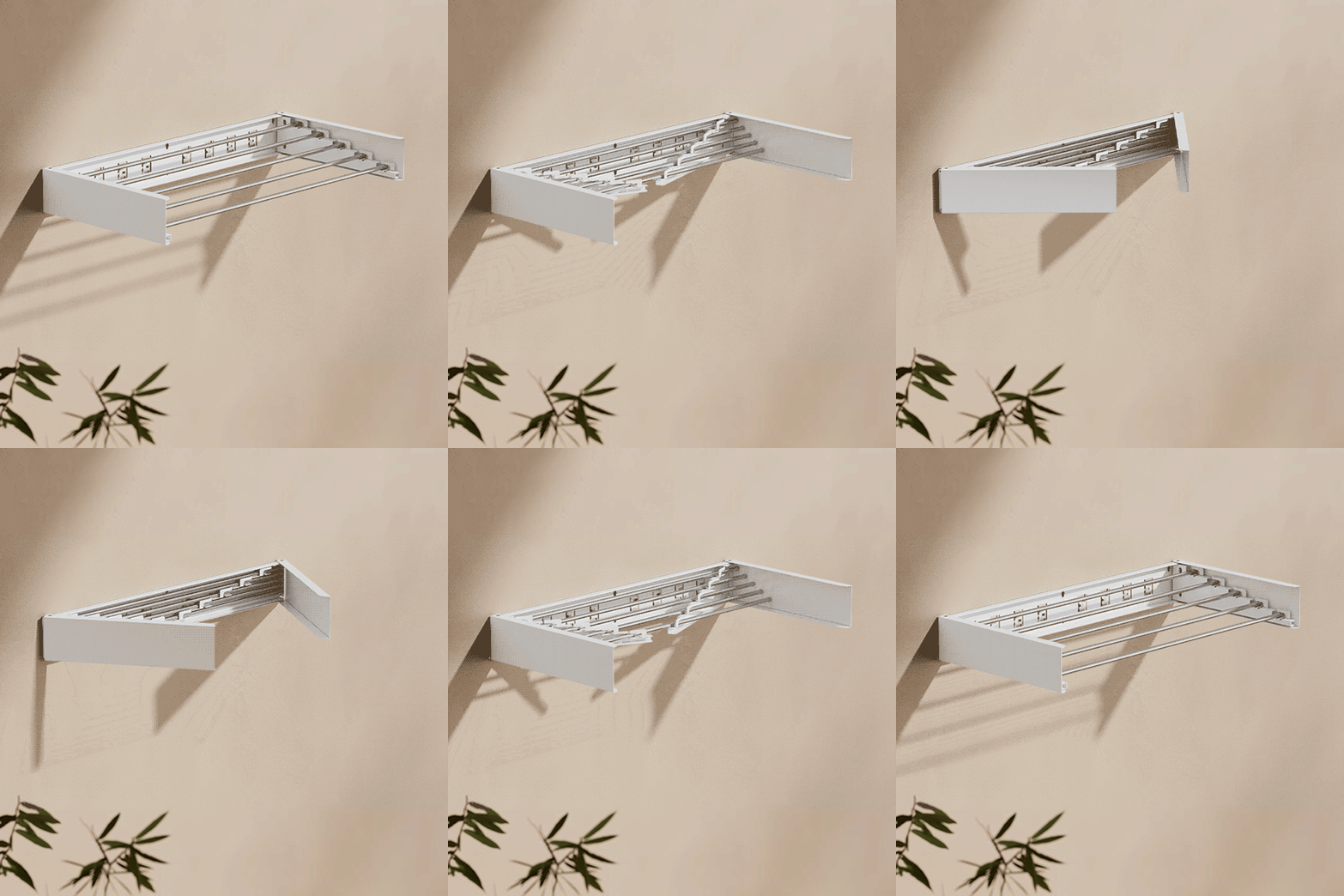
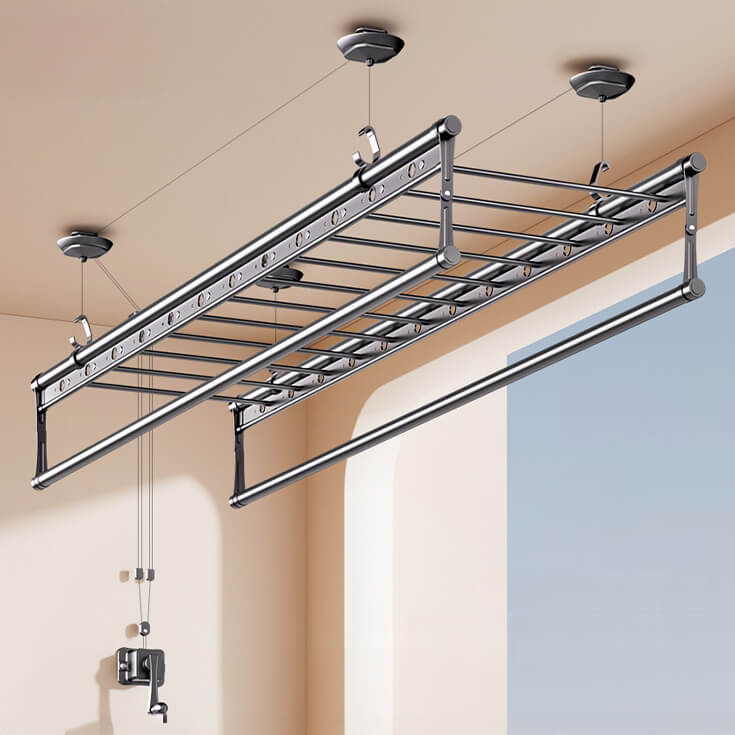
The ceiling and walls are often underused. A ceiling-mounted clothes airer can move the drying area up and off the floor. You lower it when loading laundry and raise it again to help keep the floor clearer while clothes dry. Wall-mounted options can also work well on balconies or in laundry corners. If you are unsure which format suits your home, you can compare space-saving drying rack options based on the available space, installation preference, and laundry routine.
Renters should check lease conditions and building rules before installing ceiling-mounted or wall-mounted fixtures. If drilling is not allowed, a foldable or freestanding option may be more appropriate. If installation is allowed, check the ceiling or wall structure carefully and consider professional installation if you are unsure about the mounting surface.
Drying performance depends on more than the rack itself. Leave space between garments so air can move around them. Avoid packing heavy towels, jeans, and thick fabrics tightly together. Smaller, better-spaced loads can help airflow reach more fabric surface, which may support more even drying.
Ventilation also matters, especially when drying clothes indoors. The U.S. Environmental Protection Agency explains that moisture control is key to preventing indoor mold and recommends keeping indoor humidity low where possible. Open a window, use a vent, or use an exhaust fan where suitable. You can also read the EPA’s guide to mold, moisture, and your home for general moisture-control guidance.
Window Seats and Bay Windows: Turn an Underused Ledge into a Reading Nook
Window seats and bay windows are easy to overlook. In a small apartment, that ledge or recessed area may be one of the few places that can become useful without moving walls. It can become a reading corner, a plant shelf, a quiet coffee spot, or extra seating when a guest visits.
The simplest improvement is a cushion that fits the exact dimensions of the ledge. Standard sizes rarely work for window seats because ledges often have non-standard widths, depths, or angled corners, especially in older buildings. A custom window seat cushion made to your measurements can turn a hard ledge into a more comfortable reading nook.
Before turning the area into seating, check the depth and height. A very shallow ledge may work better as a plant or book display. A deeper ledge may support occasional sitting if it is structurally suitable. Keep curtains, blinds, outlets, and heating vents in mind. The goal is to make the nook useful without blocking light, airflow, or access.
If storage is possible under the window, use low baskets or slim bins for soft items such as throws, small pillows, or seasonal accessories. Avoid stacking bulky items in front of the window. The space should still feel open and easy to use.
The Entryway: Fix the First Five Feet
The entryway controls how the apartment feels the moment you come inside. In a small home, shoes, bags, umbrellas, deliveries, and laundry baskets can collect near the door because there is nowhere else for them to go.
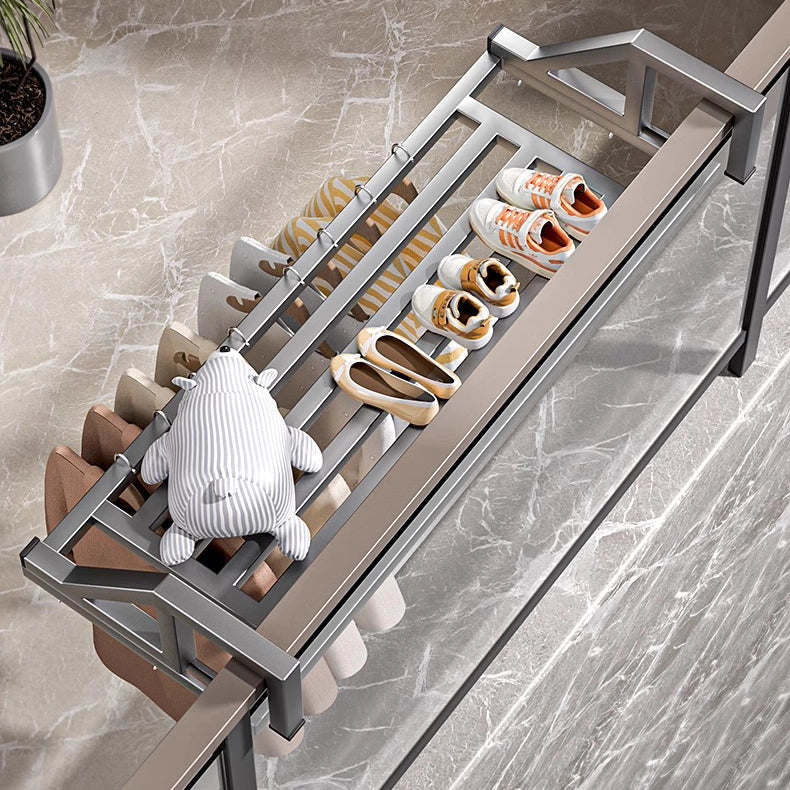
Start with the first five feet. What lands there every day? Shoes, keys, backpacks, dog leashes, mail, or jackets? Give each category a small, specific place. A narrow shoe rack, wall hooks, a slim console, or a small bench with storage can make the entry feel calmer without using much floor space.
Use the wall before adding more furniture. Hooks can hold bags and jackets. A narrow shelf can hold keys and mail. A small basket can collect items that need to leave the house later. If using adhesive hooks, follow the manufacturer’s instructions and confirm the surface is suitable before loading them.
A bench can help if you need a place to sit while putting on shoes, but it should not block the door swing or main walking path. Measure the wall length, door clearance, and walkway before choosing furniture. In a tight entryway, one narrow bench may be more useful than a larger storage unit that makes the doorway feel cramped.
The Living Room: Think in Layers, Not Furniture Pieces
A small living room becomes crowded when every function gets its own furniture piece. A sofa, coffee table, TV stand, side table, bookcase, storage cabinet, and extra chair may all be useful, but together they can leave no open space.
Think in layers instead. The main seating layer should be comfortable and appropriately scaled. The storage layer should use walls, under-seat areas, or closed cabinets. The surface layer should include only the tables you actually use. The flexible layer can include items that move or fold away, such as a small stool, nesting table, or floor cushion.
Before choosing a sofa or bench, measure the wall length, door clearance, window placement, and walking paths. A smaller sofa with a side table may work better than a longer sofa that blocks circulation. A storage ottoman can replace a coffee table if you need hidden storage. A wall-mounted shelf can hold books or decor without taking up floor space.
Do not fill every corner. Empty space is useful in a small apartment. It gives you room to walk, clean, stretch, sort laundry, or bring in groceries without moving furniture every time.
The Laundry Room Alcove or Corner: Make It a Dedicated Zone
Some apartments have a laundry closet, a hallway alcove, or a small corner near the bathroom or kitchen. These areas can become messy quickly because they hold detergent, baskets, cleaning supplies, drying racks, and sometimes extra storage.
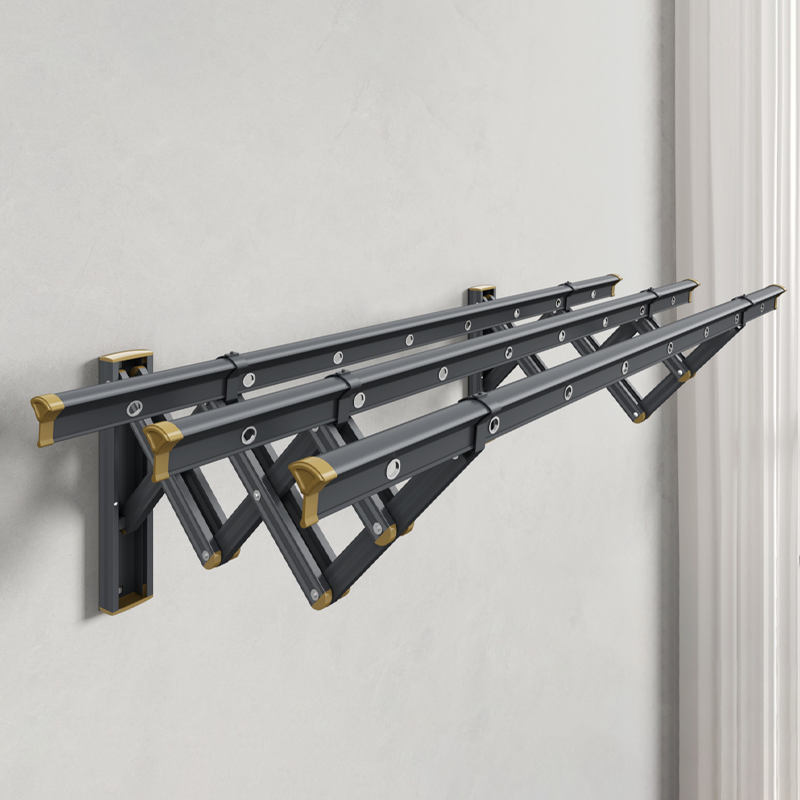
The better approach is to treat the alcove or nearby wall as a dedicated laundry zone. Add a small shelf for detergent and supplies, choose a hamper that fits the available width, and consider a wall-mounted retractable drying rack if the wall surface and installation conditions are suitable. It can extend when needed and fold closer to the wall afterward, helping the rest of the apartment feel less crowded.
Keep laundry supplies grouped together so they do not spread into nearby rooms. A narrow shelf, labeled bin, or slim cart can work if it does not block doors or appliances. If the laundry area is near a kitchen or bathroom, allow enough clearance for cabinets, appliance doors, and safe movement.
Ventilation is still important when drying clothes indoors. A dedicated zone should not mean trapping damp laundry in a closed corner. Leave space between garments, avoid overloading the rack, and use ventilation where suitable.
Treat Apartment Living Like a Design Challenge
A small apartment becomes more functional when every area has a clear job. The balcony should not be both a storage unit and a seating area unless the storage supports the seating. The entryway should not become a pile of everything you carried in. The laundry area should not take over the living room every time clothes need to dry.
Look for repeated friction points. Where do you trip over things? Which surface always collects clutter? Which item stays open or in the way for too long? These clues show where a small change may have a large effect.
In most apartments, the best improvements are not dramatic. They are practical: raise drying space off the floor, use a narrow wall, make a hard ledge comfortable, choose furniture that fits the walkway, and give everyday items a place to return to.
When you treat the apartment as a design challenge, limited square footage becomes easier to manage. The question shifts from “How do I fit more things?” to “Which things deserve space, and where should they live?”
Frequently Asked Questions
How can I dry clothes indoors without taking up floor space?
Use vertical drying where suitable. A ceiling-mounted clothes airer, wall-mounted drying rack, or retractable rack can help move laundry away from the floor. The right option depends on your ceiling or wall structure, lease conditions, available space, and drying routine. Ventilation is still important, so leave space between garments and allow damp air to move out of the room where possible.
Are wall-mounted drying racks suitable for small apartments?
They can be suitable when the wall surface, available width, and installation conditions are appropriate. A wall-mounted rack may work well in a laundry corner, bathroom area, balcony, or utility alcove. It is not suitable for every wall, and renters should check lease conditions before installing fixed fixtures.
How do I organize a small apartment balcony?
Choose one main purpose first, such as seating, plants, or occasional laundry drying. Keep the walkway clear, use vertical storage where possible, avoid oversized furniture, and keep floor items to a minimum. If the balcony is used for laundry, plan the drying setup before adding furniture.
What should renters check before installing a ceiling-mounted clothes airer?
Renters should check lease conditions, building rules, and any property-management requirements. They should also confirm whether drilling into the ceiling is allowed and whether the ceiling structure is suitable. If there is any uncertainty, ask the landlord or a qualified installer before proceeding.
Can I make a small apartment feel more spacious without renovation?
Yes. Focus on better use of existing space rather than adding more furniture. Keep walkways clear, use walls and ceiling space where appropriate, choose flexible storage, and make underused areas like balconies, window seats, and entryways more purposeful.
How should I measure a window seat before adding a cushion?
Measure the full width, depth, and any angled corners or unusual edges. Check whether the ledge is deep enough for comfortable sitting and whether the cushion will interfere with windows, blinds, curtains, or vents. If the shape is unusual, a made-to-measure cushion may fit better than a standard size.
Make Better Use of the Space You Already Have
A more functional apartment does not require filling every corner or starting a major renovation. Begin with the areas that create the most friction in daily life. A clearer walkway, a better laundry setup, or one comfortable reading nook can make a small home feel noticeably easier to live in.

