



Choosing between indoor vs outdoor clothes drying sounds simple until your home layout makes it complicated. If you live in a flat, compact home, or apartment without a garden, a traditional floor rack can block pathways every time you wash clothes. Furthermore, during winter or rainy periods, drying wet laundry efficiently requires balancing indoor ventilation against unpredictable outdoor elements.
That is why finding the best space-saving clothes airer is not a one-answer question. Outdoor drying offers excellent efficiency when the weather is dry and breezy, while indoor airers provide a reliable, year-round alternative for utility rooms, bathrooms, and covered balconies—provided you manage moisture and airflow correctly.
The right setup depends entirely on your space, ventilation, regional weather, and weekly laundry volume. This comprehensive guide breaks down the pros and cons of indoor and outdoor drying to help you establish a practical, clutter-free routine.
Indoor vs Outdoor Clothes Drying: The Short Answer
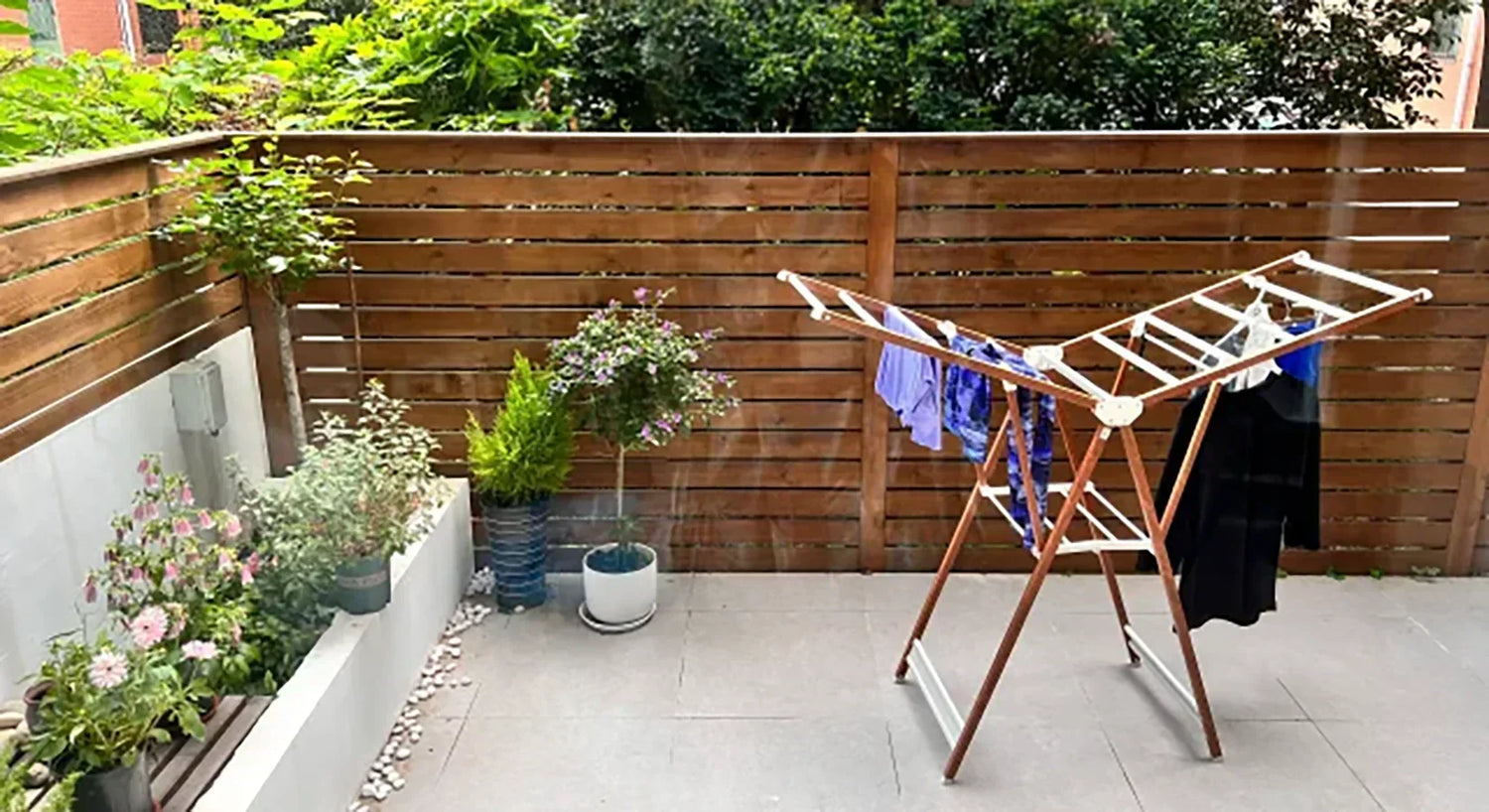
Outdoor clothes drying is highly effective if you have access to a private garden, patio, or open terrace during warm, dry, and breezy weather conditions. It naturally keeps evaporated moisture outside the home and preserves valuable interior floor space.
Conversely, indoor drying is the superior approach for flats, rental apartments, overnight drying, or during cold winter months. It provides a highly predictable routine, especially if your outdoor alternative is a shared courtyard, exposed to urban pollution, or restricted by residential building bylaws.
Many modern households rely on a hybrid strategy: drying sheets and heavy towels outdoors on beautiful days, while utilizing wall-mounted, balcony, or ceiling clothes airers when bad weather strikes or space is at a premium.
Indoor drying is better when:
- You live in a small apartment or flat with no dedicated garden access.
- The outside air is humid, rainy, freezing, or prone to high pollen and pollution levels.
- You need to dry laundry securely overnight or while away from home.
- Building regulations or landlord policies prohibit visible balcony clotheslines.
Environmental & Health Note: Home moisture management is critical. Official guidance from the Energy Saving Trust on damp and condensation indicates that excess moisture can quickly accumulate inside poorly ventilated spaces. To dry laundry safely indoors, prioritize smart garment spacing, active airflow, and dedicated drying fixtures.
Outdoor drying is better when:
- The weather is warm, sunny, and accompanied by a steady breeze.
- You are washing large, bulky textiles like bed sheets, duvets, and heavy denim.
- You have private, secure outdoor ground space or an open-air terrace.
- Your indoor living areas are already prone to condensation or lack adequate windows.
Creating a Flexible Hybrid Setup
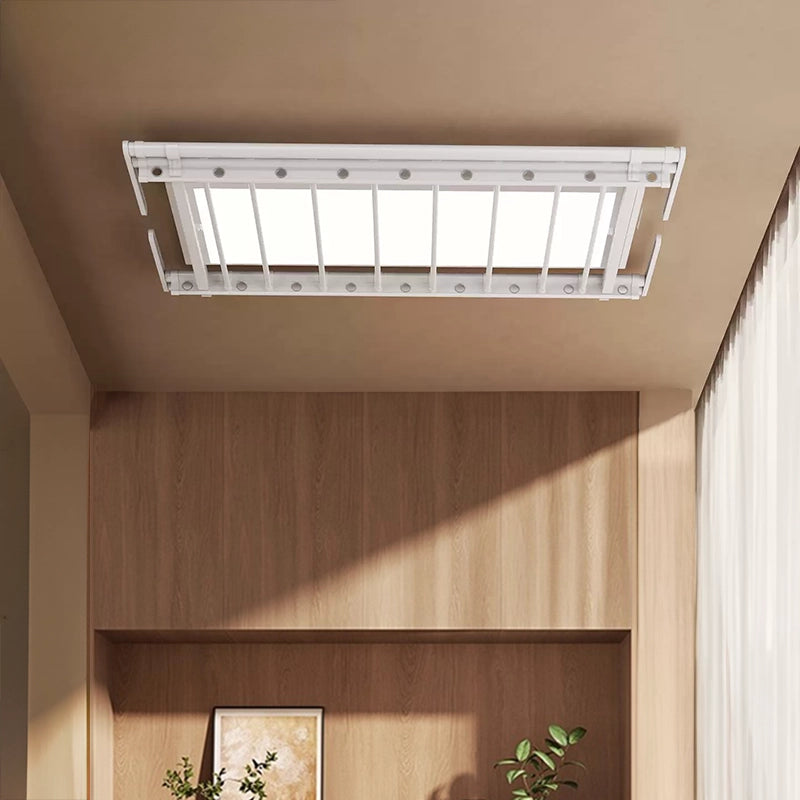
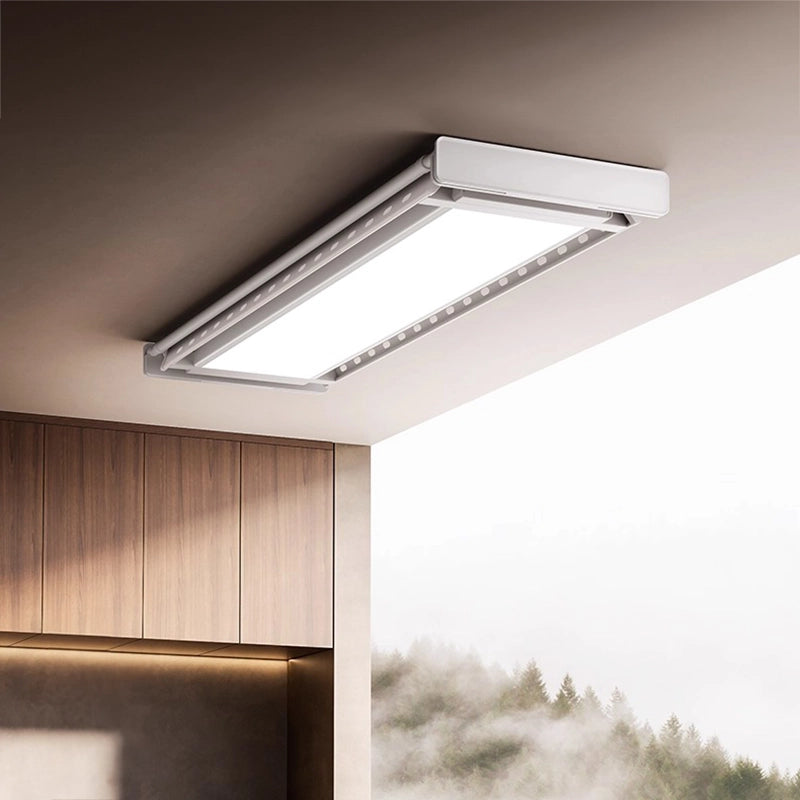
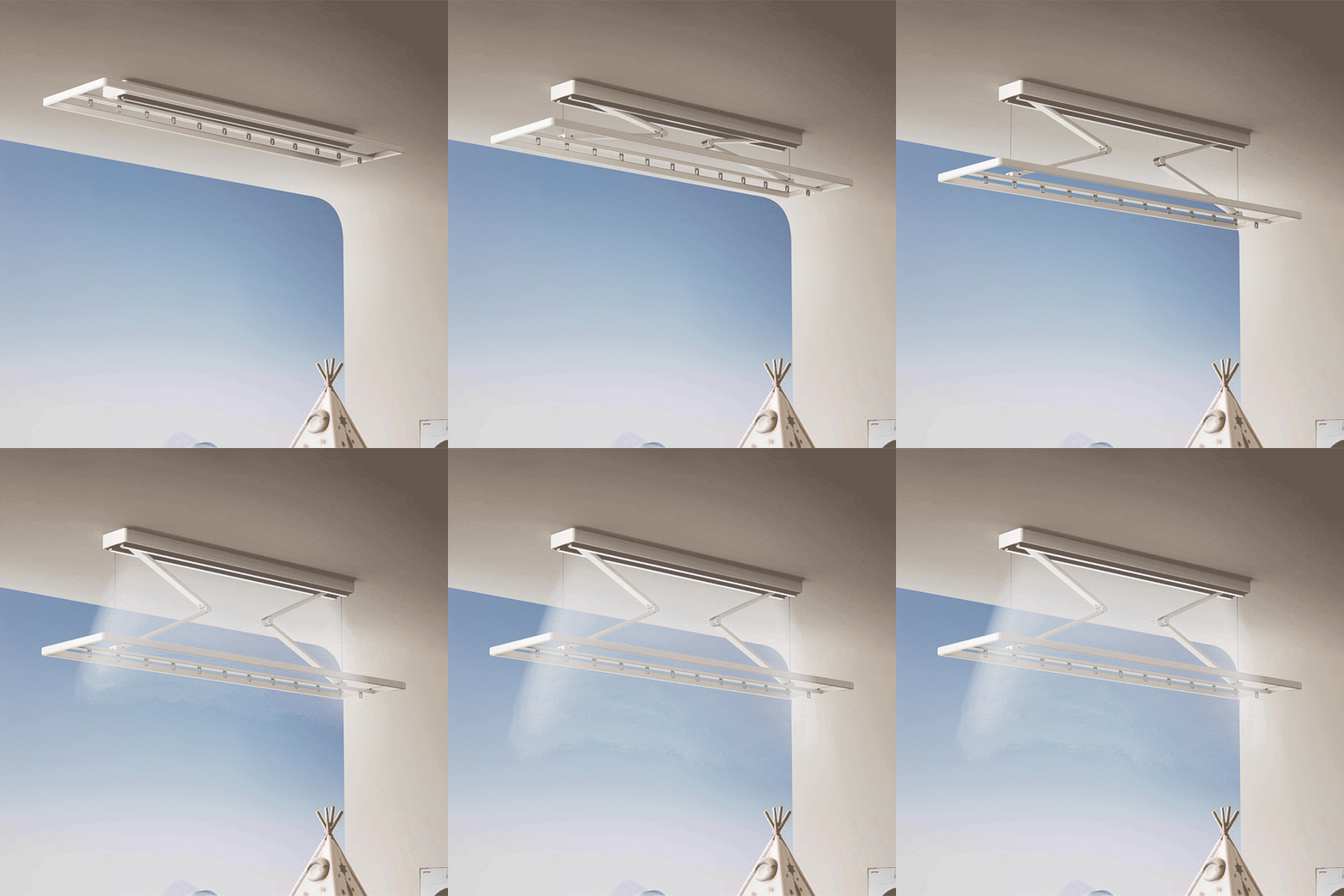
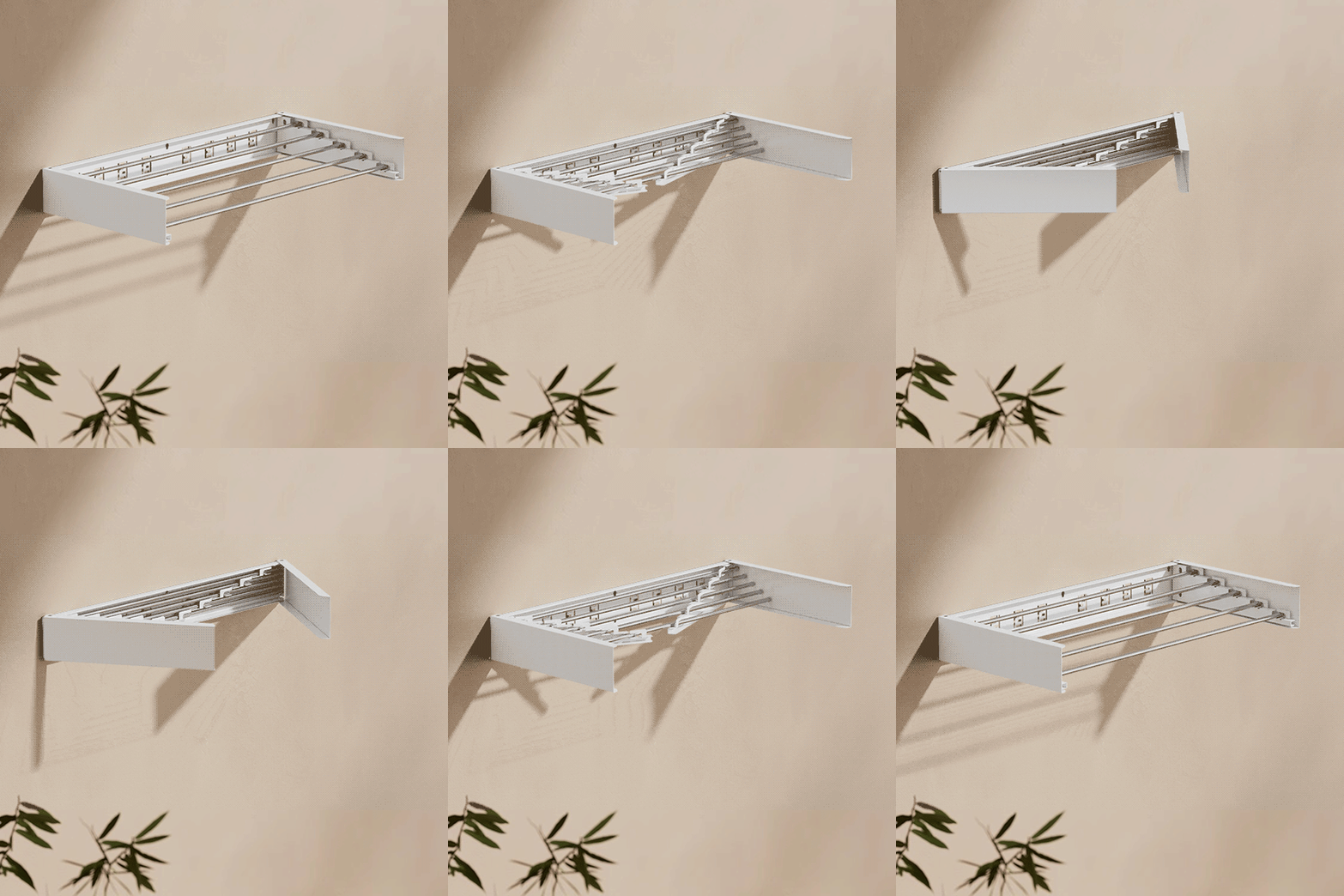
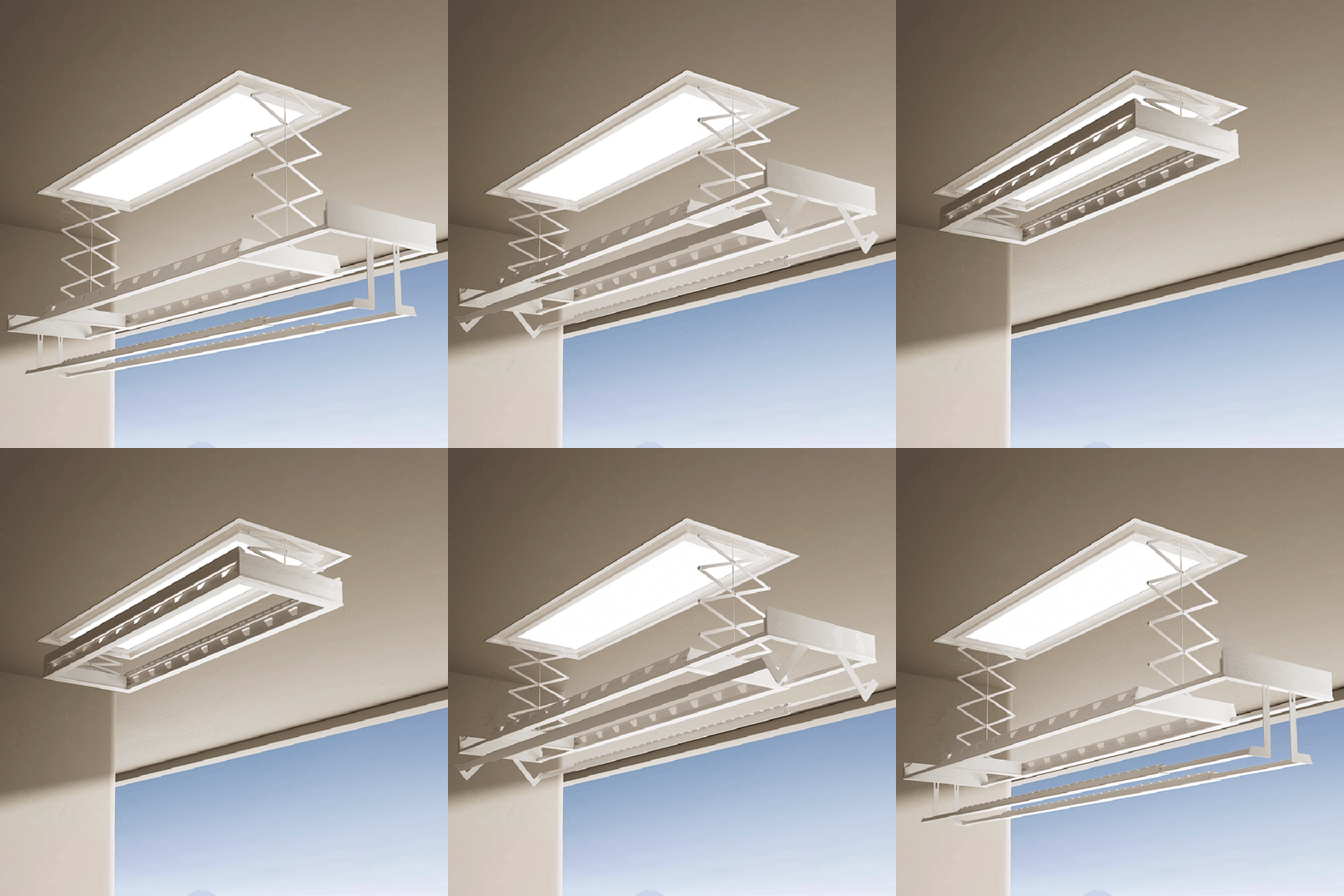
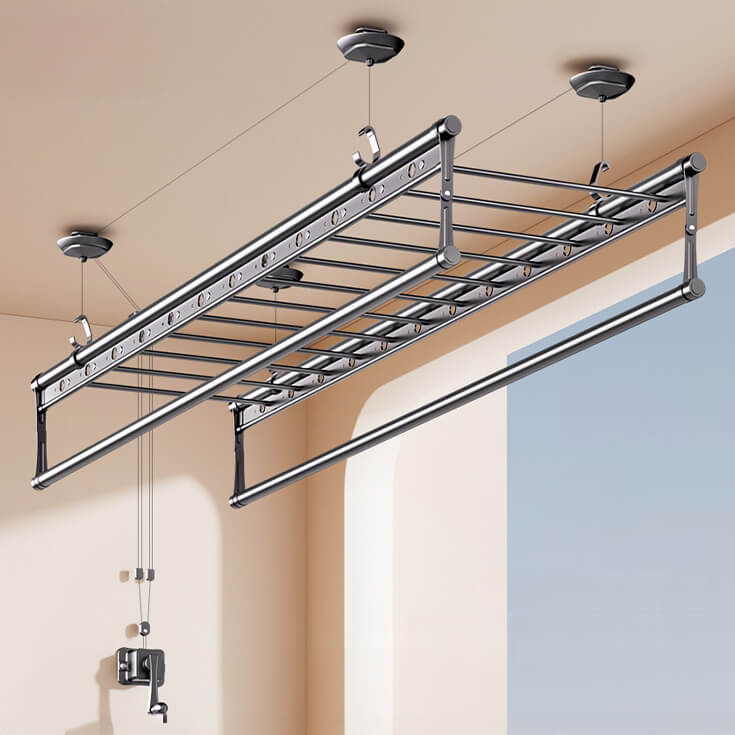
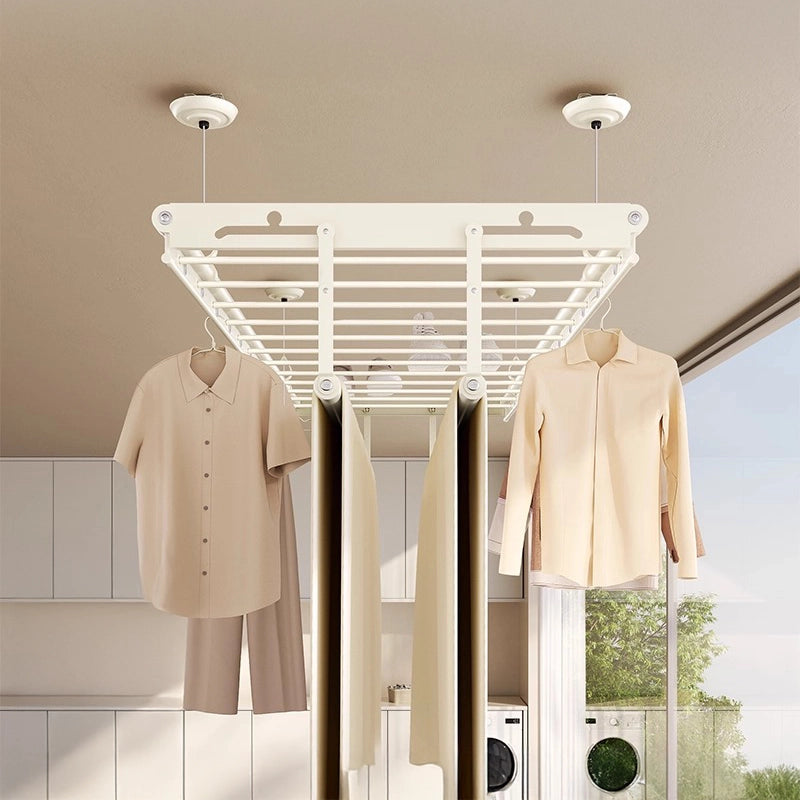
For most modern homes, a versatile drying ecosystem is the most realistic answer. A specialized balcony clothes airer maximizes sheltered fresh air; a wall-mounted drying rack streamlines dedicated utility zones; and a manual or electric ceiling clothes airer completely frees up your living room floor. Instead of choosing only one method, configure your home with tools that keep wet laundry out of your active living paths.
Pros and Cons of Drying Clothes Indoors
Drying clothes indoors gives you total independence from local weather conditions. Rather than waiting for a sunny day, you can process laundry seamlessly in a bathroom, hallway, or utility room. It also serves as an eco-friendly alternative to running expensive appliances; the Energy Saving Trust home appliance advice underscores that reducing high-energy tumble dryer cycles is an impactful way to manage household energy costs.
Benefits of indoor drying
The primary advantage is absolute climate reliability. Indoor airers protect your investments year-round, eliminating risks from sudden downpours, bird droppings, or outdoor dust. It is also considerably gentler on delicate fabrics, avoiding the fabric-fading effects of direct UV solar exposure.
Furthermore, when utilizing modern architectural fixtures like wall or ceiling airers, you eliminate the visual clutter and physical obstruction associated with cheap, unstable floor horse racks.
Drawbacks of indoor drying
The central challenge is managing ambient humidity. Wet laundry releases liters of airborne water as it dries. If a room remains sealed, cold, or packed tightly with clothes, this water vapor condenses on cold surfaces like windows and external walls.
According to the NHS Inform guide to damp and mould indoors, persistent damp conditions can exacerbate respiratory sensitivities, allergies, and asthma. This highlights why indoor clothes drying must be executed deliberately in a well-ventilated zone rather than treated haphazardly.
How to reduce damp when drying clothes indoors
Always place your airer in a room with active ventilation. Open windows slightly to encourage cross-breezes, run bathroom or kitchen extractor fans, and leave clear gaps between hanging items to accelerate evaporation. If you dry large volumes indoors weekly, running a compact compressor or desiccant dehumidifier can safely capture moisture before it interacts with your walls.
Pros and Cons of Drying Clothes Outdoors
When outdoor conditions align, moving laundry into the open air is a timeless, energy-free solution. It gives large households the expansive physical space required to handle heavy family washes without overwhelming interior rooms.
Benefits of outdoor drying
Outdoor drying effortlessly vents high volumes of water directly into the atmosphere, bypassing home damp risks entirely. Natural air currents flex and soften fabric fibers naturally, often drying denim, canvas, and heavy cotton knitwear much quicker than stagnant indoor environments.
Drawbacks of outdoor drying
Outdoor clothes lines are entirely held hostage by seasonal weather changes. Low ambient temperatures, stagnant windless days, high humidity, and winter frost stop evaporation. For city apartments, open-air drying is often impractical due to lack of yard access, shared balconies, localized traffic soot, seasonal allergens, or structural safety risks from high wind gusts at elevated floors.
Why covered balconies need careful planning
A covered or inset balcony represents an ideal architectural compromise, capturing fresh outdoor airflow while safeguarding laundry from overhead rain. However, these spaces demand robust product engineering. Standard indoor racks can rust or tip over in balcony winds. It is critical to select weather-resilient clothes airers specifically designed for sheltered, outdoor-adjacent installation.
Which Clothes Airer Works Best for Your Space?
Maximizing efficiency means matching your chosen hardware directly to your structural layout and lifestyle needs.
For small flats and compact homes
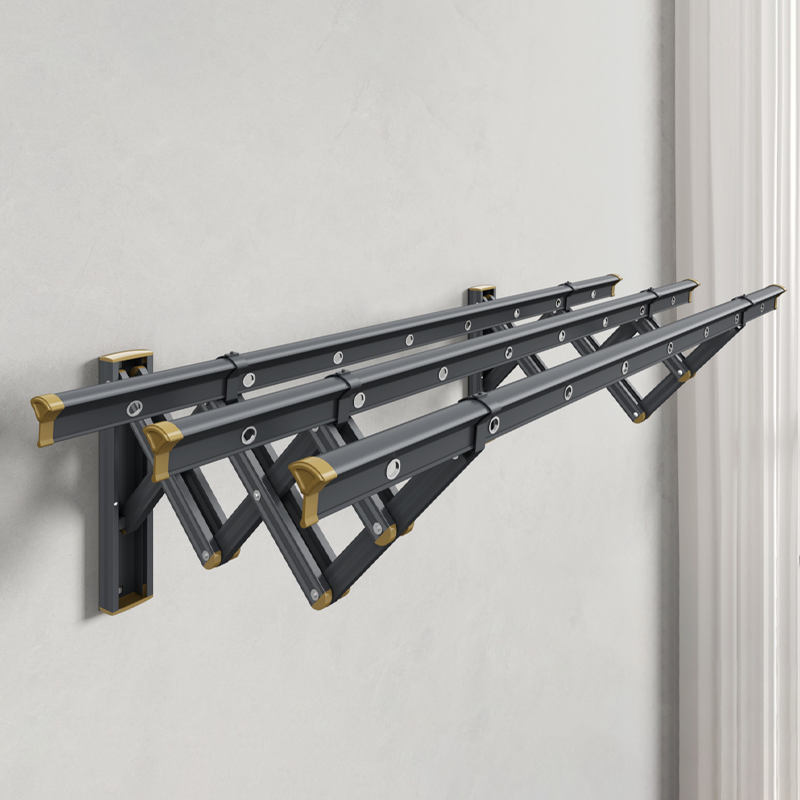
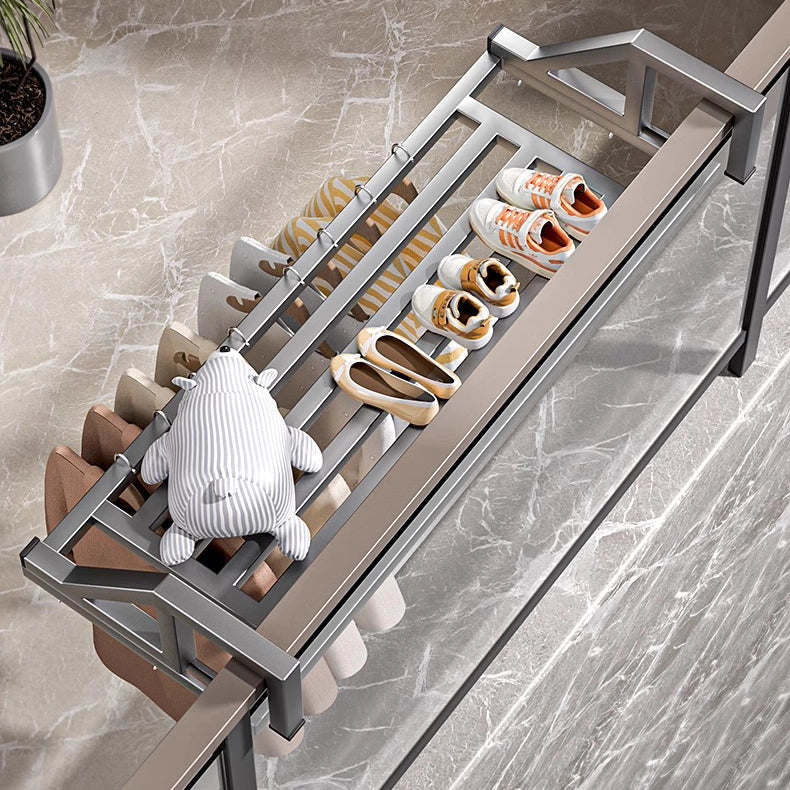
When every square meter matters, look up. A premium ceiling clothes airer utilizes unused overhead space, lifting wet laundry completely out of your sightlines and walking paths. If ceiling installation isn't viable due to drop-ceilings or light fixtures, a fold-flat wall-mounted clothes airer offers a highly stable, fold-away footprint on an open wall or behind a door.
For covered balconies
To keep balcony floors clear for sitting or plants, opt for a low-profile wall or railing fixture. Review your local balcony wind loads and structural masonry before mounting, ensuring the product stays perfectly secure during sudden afternoon gusts.
For utility rooms and laundry areas
Dedicated utility rooms benefit immensely from permanent, heavy-duty drying solutions. Installing a fixed manual or extendable drying rack creates a predictable, industrial-grade station that simplifies treating, washing, and drying garments in a centralized workflow.
Responsive Comparison Table
| Clothes Drying Option | Best For | Main Advantage | Critical Verification Checks |
|---|---|---|---|
| Floor Airer | Occasional laundry; renters who cannot drill walls | Zero installation required; highly portable | Consumes vital floor space; tip-over risks |
| Wall-Mounted Airer | Utility rooms, bathrooms, and narrow corridors | Folds flush; completely clears floor area | Requires solid studs or masonry; check opening clearance |
| Ceiling Clothes Airer | Small flats, tall utility rooms, covered balconies | Uses overhead space; warm air rises naturally | Ceiling material composition; anchor strength; joist positioning |
| Balcony Clothes Airer | Apartment balconies, verandas, urban loggias | Utilizes semi-outdoor fresh air ventilation | Building restrictions; wind exposure; weatherproofing limits |
| Electric Clothes Airer | Cold climates; automated luxury assistance | Motorized remote lifting or active heat support | Proximity to safe power outlets; higher cost footprint |
What Should You Check Before Choosing?
1. Ventilation and Relative Humidity
Inspect your proposed indoor drying zone for baseline condensation signs like foggy windows or musty corners. Prioritize structural rooms with built-in passive or active airflow pathways to ensure moisture dissipates properly, aligning with regional UK government guidance on damp and mould health risks.
2. Dimensional Clearance Constraints
Measure your space across all three structural planes (width, depth, and height). Ensure that when an airer is fully expanded, it will not conflict with swinging doors, window handles, lighting fixtures, or appliance doors.
3. Mounting Surfaces and Structural Fasteners
Fixed overhead or wall units require mechanically sound substructures. Concrete, brick, and structural wooden joists provide secure connections. Standard hollow plasterboard requires heavy-duty toggle bolts or direct stud integration. Remember that rated maximum load capacities are always contingent on proper installation using matching, high-grade anchors.
Which EaseRack Clothes Airer May Suit Your Home?
EaseRack engineers premium, space-saving architectural drying fixtures tailored specifically for compact modern living spaces.
- Ceiling Clothes Airers: Ideal for homeowners wishing to maximize natural convection (as warm air rises). Explore our curated range of EaseRack ceiling clothes drying racks to turn your ceiling into premium drying space.
- Wall-Mounted Clothes Airers: Perfect for permanent, low-profile integration along empty walls, utility rooms, or walk-in closets. Discover the engineering behind EaseRack wall-mounted clothes drying racks.
- Balcony-Friendly Solutions: Developed specifically to optimize space on sheltered terraces and balconies. Check out our high-efficiency EaseRack balcony clothes airer designs.
If you are deciding between manual, electric, ceiling, or wall configurations, leverage our interactive EaseRack drying rack model comparison page to match your household volume to the perfect design. Curious about powered upgrades? Read our masterclass on how electric clothes-drying racks work.
FAQ
Is it better to dry clothes indoors or outdoors?
Outdoor drying is optimal during dry, sunny, and breezy weather because it keeps ambient moisture out of your home. Indoor drying is highly recommended for apartment living, wet winter seasons, or locations prone to high outdoor allergens and pollution.
How can I dry clothes indoors without causing damp?
Ensure the drying area has consistent ventilation by opening a window slightly or using an extractor fan. Keep clothing well-spaced on the drying bars to facilitate airflow, and use a dehumidifier if drying large laundry loads in winter.
Can I dry clothes indoors without a tumble dryer?
Yes. Utilizing space-saving wall-mounted or ceiling clothes airers allows you to dry regular laundry loads safely and naturally without consuming high appliance electricity, keeping floors clear at the same time.
What is the best clothes airer for a small flat?
The most practical choice is a ceiling-mounted or fold-flat wall-mounted rack. These solutions utilize vertical or empty wall surfaces, preserving your valuable daily living space.
Can I use a clothes airer on a covered balcony?
Yes, provided the airer is installed in a sheltered position out of heavy rainfall and is rated to handle structural wind loads. Covered balconies are excellent because they offer fantastic natural airflow.
Conclusion
Balancing indoor vs outdoor clothes drying comes down to evaluating your local weather, apartment layout, and structural installation surfaces. Outdoor drying is unmatched in optimal weather, but premium indoor space-saving airers deliver total, reliable schedule independence without turning your home into a cluttered laundry mat.
Explore EaseRack’s innovative collections to find a elegant solution engineered specifically to complement your home's unique footprint.

