


What Is an Electric Ceiling Airer? A Guide for Small Flats and Apartments
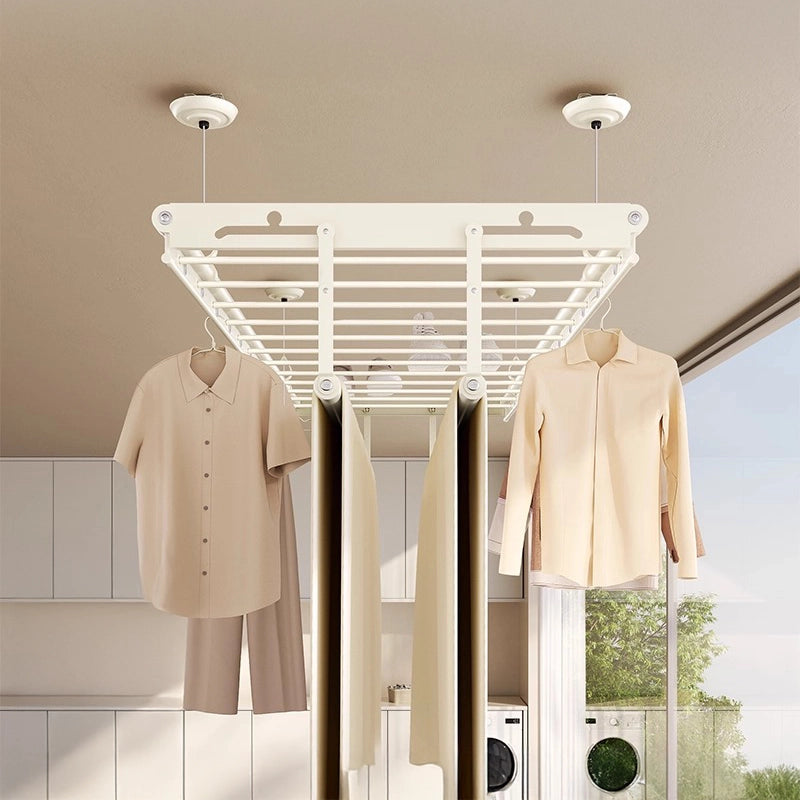
Drying laundry in a small flat can be awkward when a folding rack blocks the hallway, balcony, or living room. An electric ceiling airer gives you a fixed place to dry clothes indoors: lower it for loading, then lift the laundry above the floor while it dries.
Most electric ceiling airers use a motorised lift operated by a remote, wall control, or simple control panel. Some models also include lighting, heating, fan airflow, or UV functions, although these features vary by model.
This guide explains how electric ceiling airers work, where they fit best, and what to check before choosing one for a compact home.
What Is an Electric Ceiling Airer?
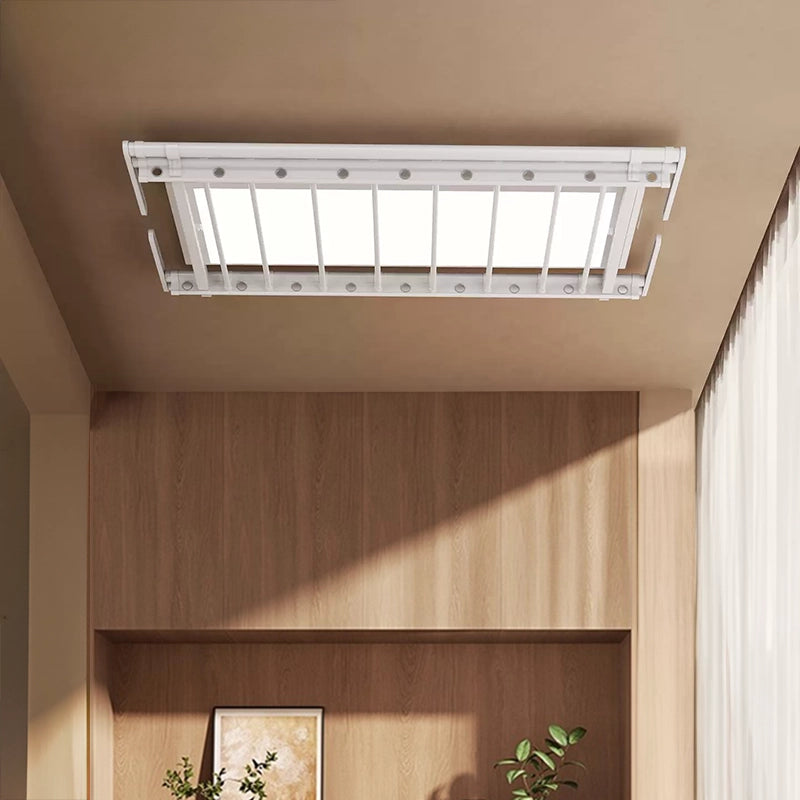
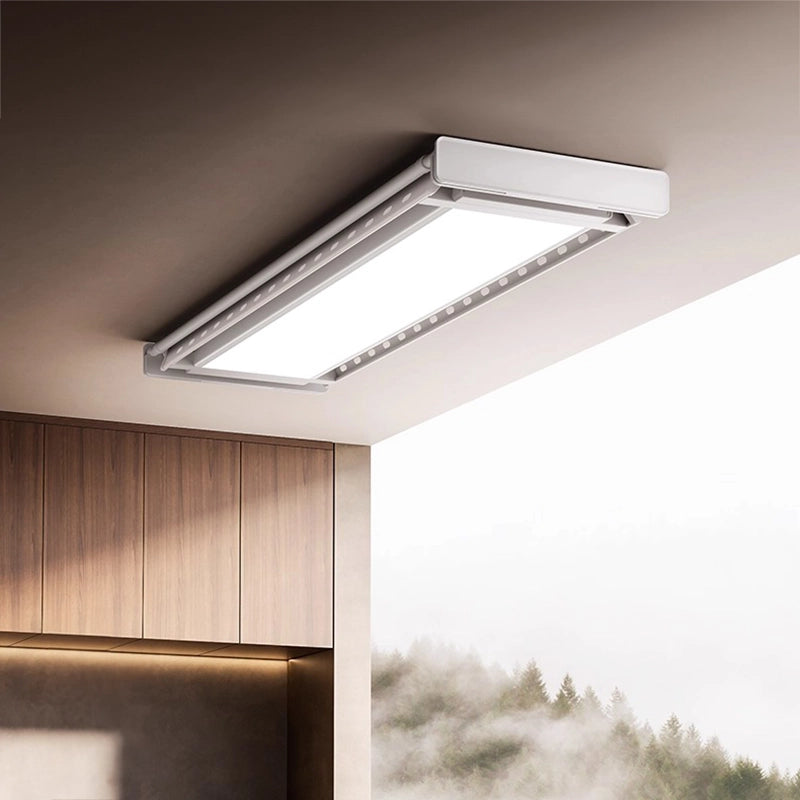
An electric ceiling airer is a ceiling-mounted clothes airer that lifts laundry above the floor. It is usually installed in a laundry area, utility room, bathroom, covered balcony, or another indoor space with a suitable ceiling structure.
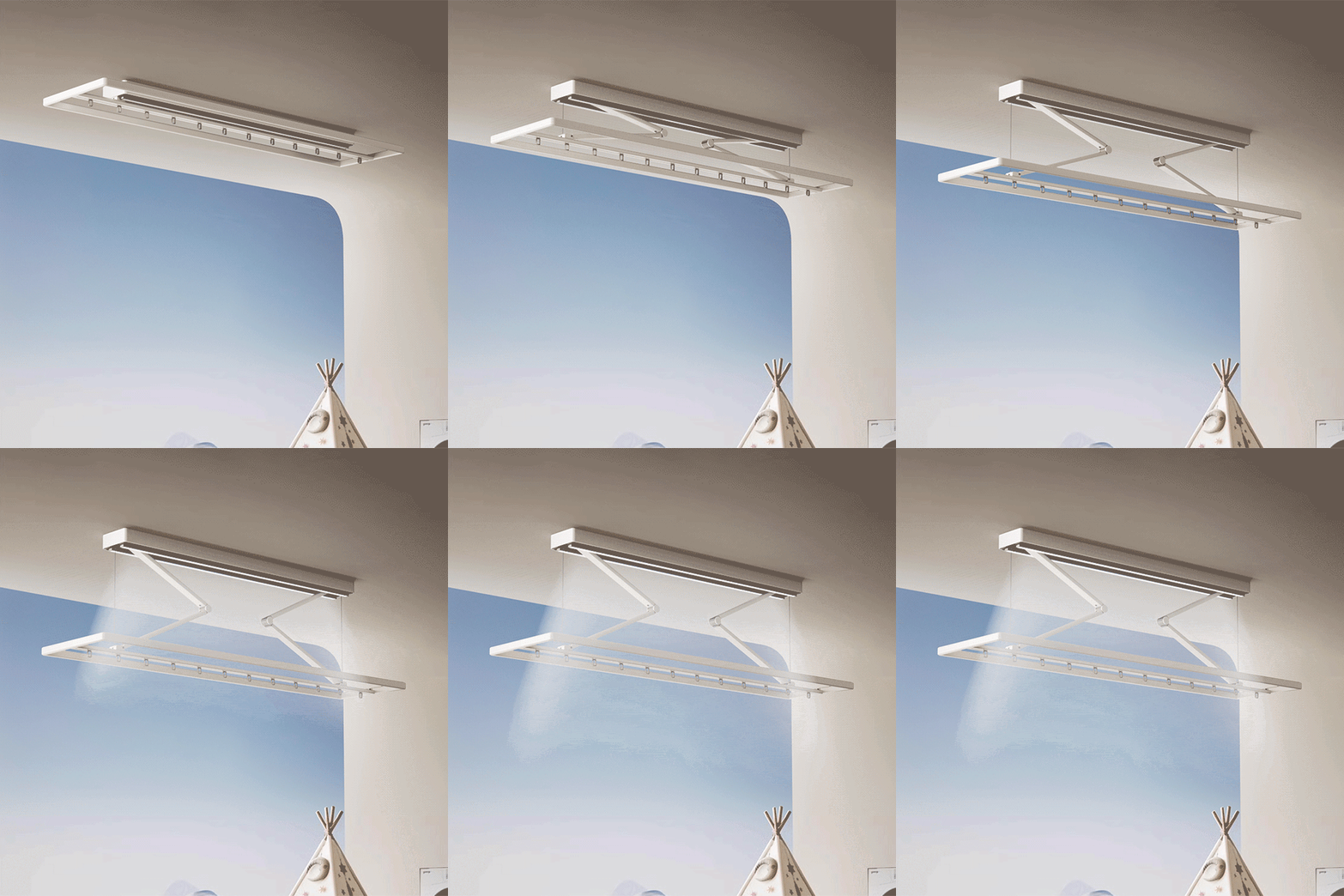
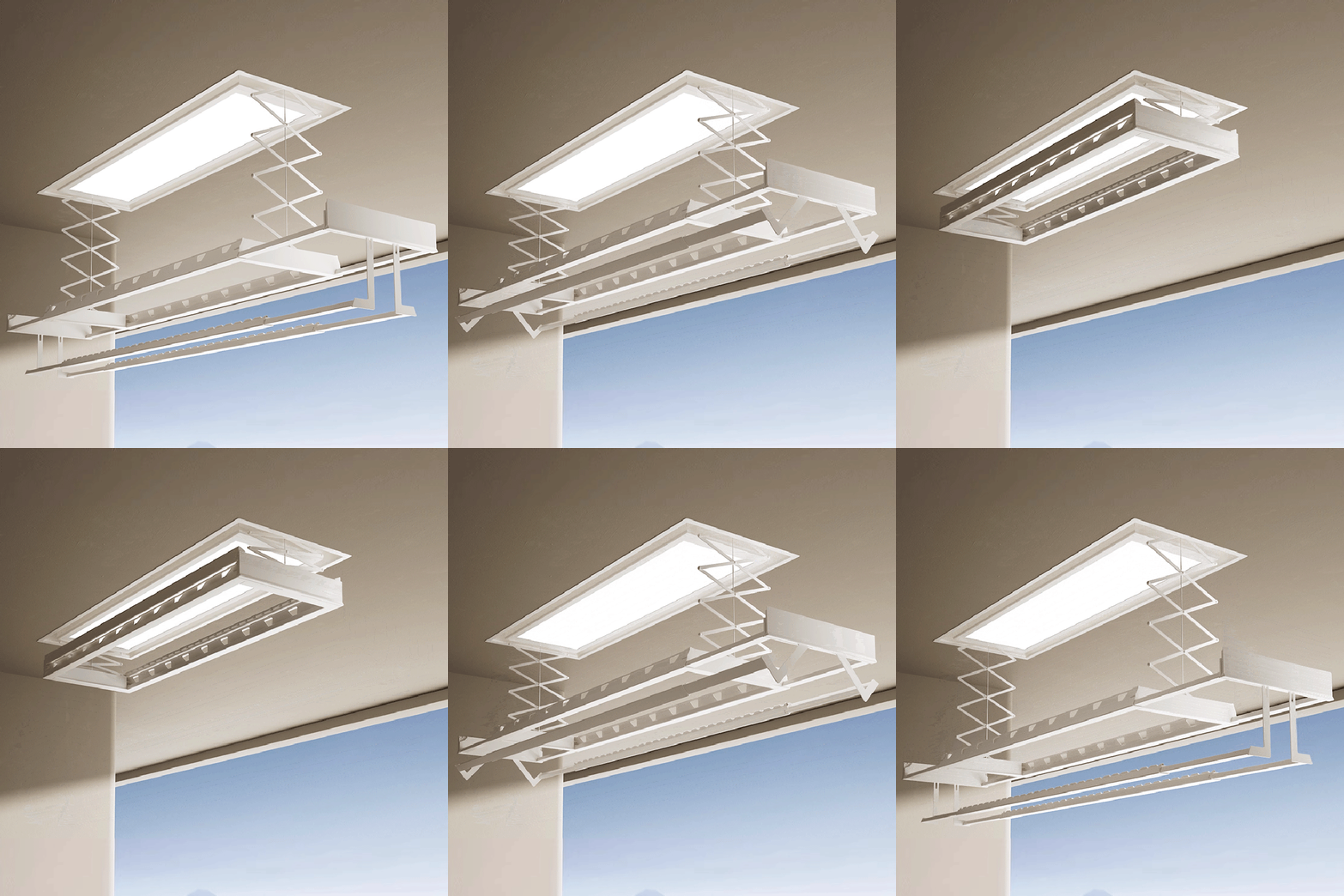
When you need to hang washing, the airer lowers to a comfortable height. After loading, it raises again so clothes can dry out of the way.
This makes it different from a floor-standing indoor clothes airer, which occupies floor space each time it is used. It also differs from a manual ceiling airer, which typically uses a pulley, hand winch, or hand-crank system.
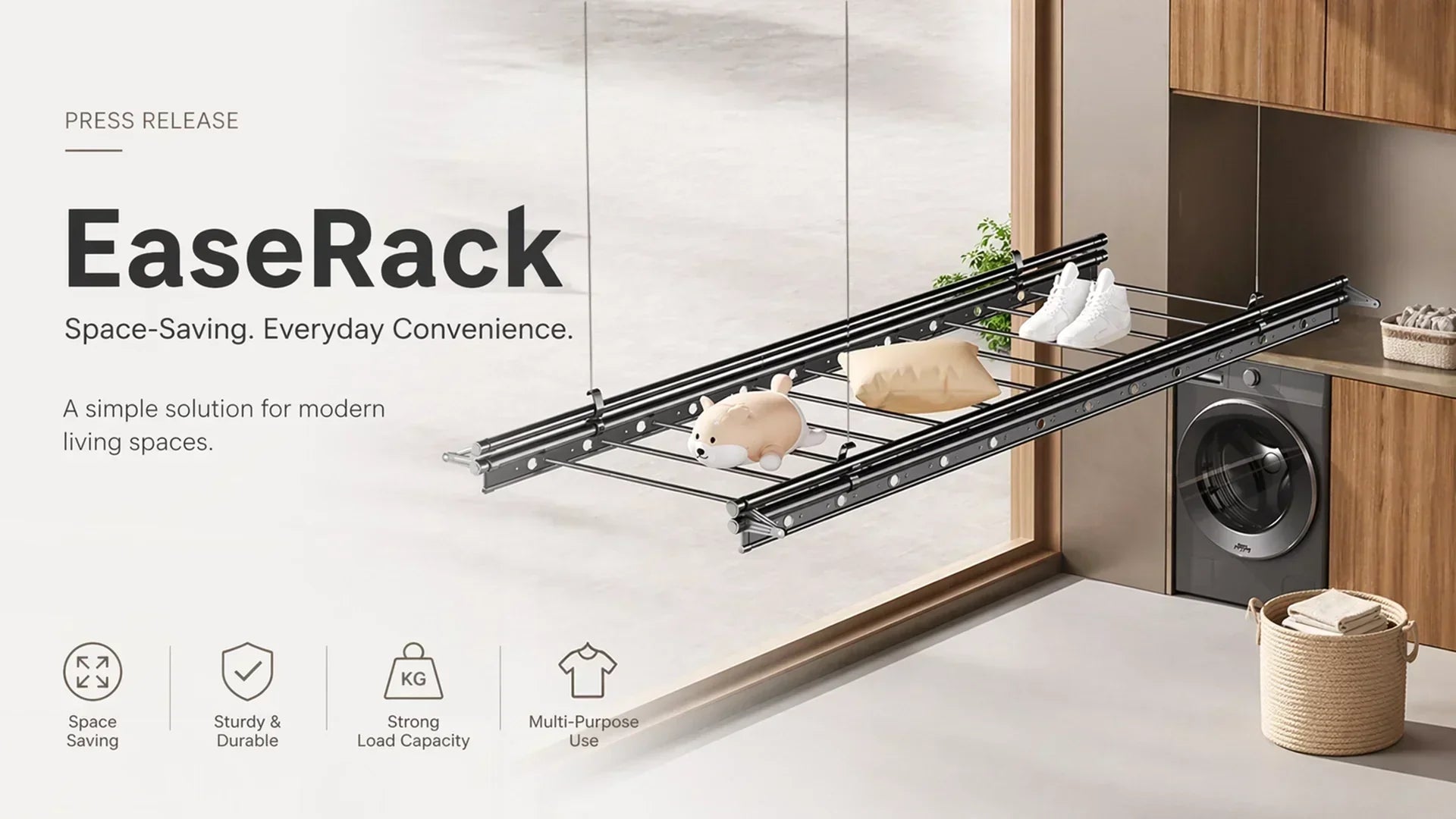
EaseRack’s electric ceiling clothes airers are designed for homes where overhead space is easier to use than floor space, including apartments, compact laundry areas, and suitable sheltered balconies.
How Does an Electric Ceiling Clothes Airer Work?
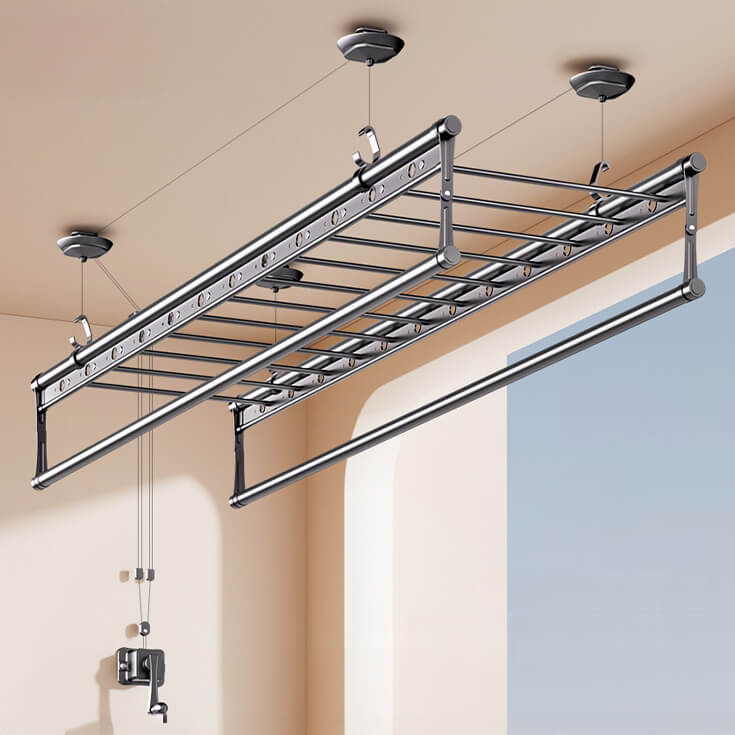
Most electric ceiling airers include a ceiling-mounted body, drying rods or rails, a lifting mechanism, and a control system. You lower the rods, hang the laundry, then raise the airer once the clothes are in place.
Depending on the model, an electric ceiling clothes airer can include:
- Motorised lifting for easier raising and lowering
- Adjustable rods or rails for different laundry loads
- Remote control or simple control operation
- Lighting on selected models
- Fan airflow or heating on selected models
- UV functions are listed in the product specification
Before buying, check the exact product page. Heating, fan airflow, UV functions, and lighting are not standard on every electric ceiling airer.
How Is It Different from a Manual Ceiling Airer?
A manual ceiling clothes airer uses a pulley, winch, or crank system. It is a practical non-electric option for users who want to lift laundry above the floor without powered controls.
An electric ceiling airer is better suited to users who want powered lifting, especially if they do laundry regularly or prefer a remote-controlled setup. The right choice depends on ceiling space, budget, laundry volume, and the level of convenience you want from the lifting system.
Why Electric Ceiling Airers Suit Small Flats and Apartments
Small flats often need smarter drying solutions because floor space is limited. A folding airer can block a hallway, sit beside the sofa, or take over a balcony. An electric ceiling airer helps reduce that problem by using the area above the room.
They Use Ceiling Space Instead of Floor Space
The main benefit is simple: laundry moves off the floor. This is useful in small flats where the same floor area is needed for furniture, storage, walking space, and daily living.
For apartments where a standing rack feels inconvenient, a ceiling-mounted airer gives laundry a fixed place without turning the room into a drying area.
They Keep Laundry Away from Walkways
Floor racks are useful, but they can become awkward in narrow rooms. Even a compact indoor clothes airer can make it harder to move around in tight spaces.
A ceiling-mounted airer keeps laundry in one planned spot. You still need enough clearance for the airer to lower safely, enough space for clothes to hang, and a suitable mounting surface.
They Can Suit Covered Balconies and Compact Laundry Areas
Some UK and European apartments have small covered balconies or narrow utility spaces. A ceiling airer can work in these areas when the space is sheltered, the ceiling is suitable, and the product guidance supports that location.
An electric ceiling airer should not be installed where it will be exposed to prolonged rain, strong winds, or harsh outdoor conditions unless the specific model is designed for that use.
Electric Ceiling Airer vs Other Indoor Clothes Airers
An electric ceiling airer is one type of indoor clothes airer. It can be a strong choice for compact homes, but it is not the only option.
| Airer Type | How It Uses Space | Installation Needed | Electricity Use | Suitable For |
|---|---|---|---|---|
| Electric ceiling airer | Uses overhead ceiling space | Ceiling installation required | Yes, for lifting and model-specific features | Small flats, apartments, covered balconies, utility areas |
| Manual ceiling clothes airer | Uses overhead ceiling space | Ceiling installation required | No electricity for manual operation | Users who prefer pulley, winch, or hand crank systems |
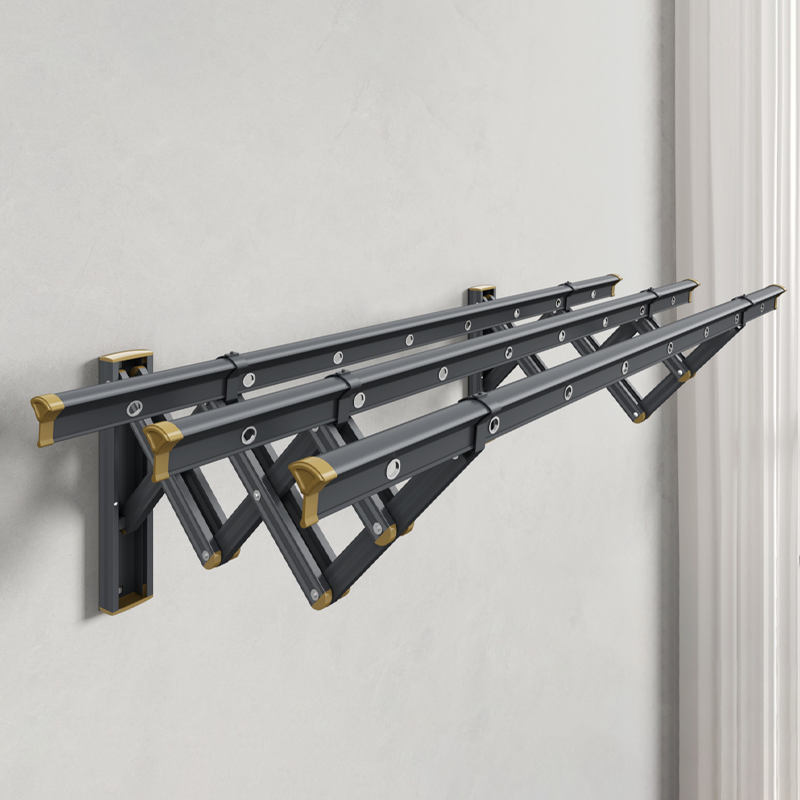
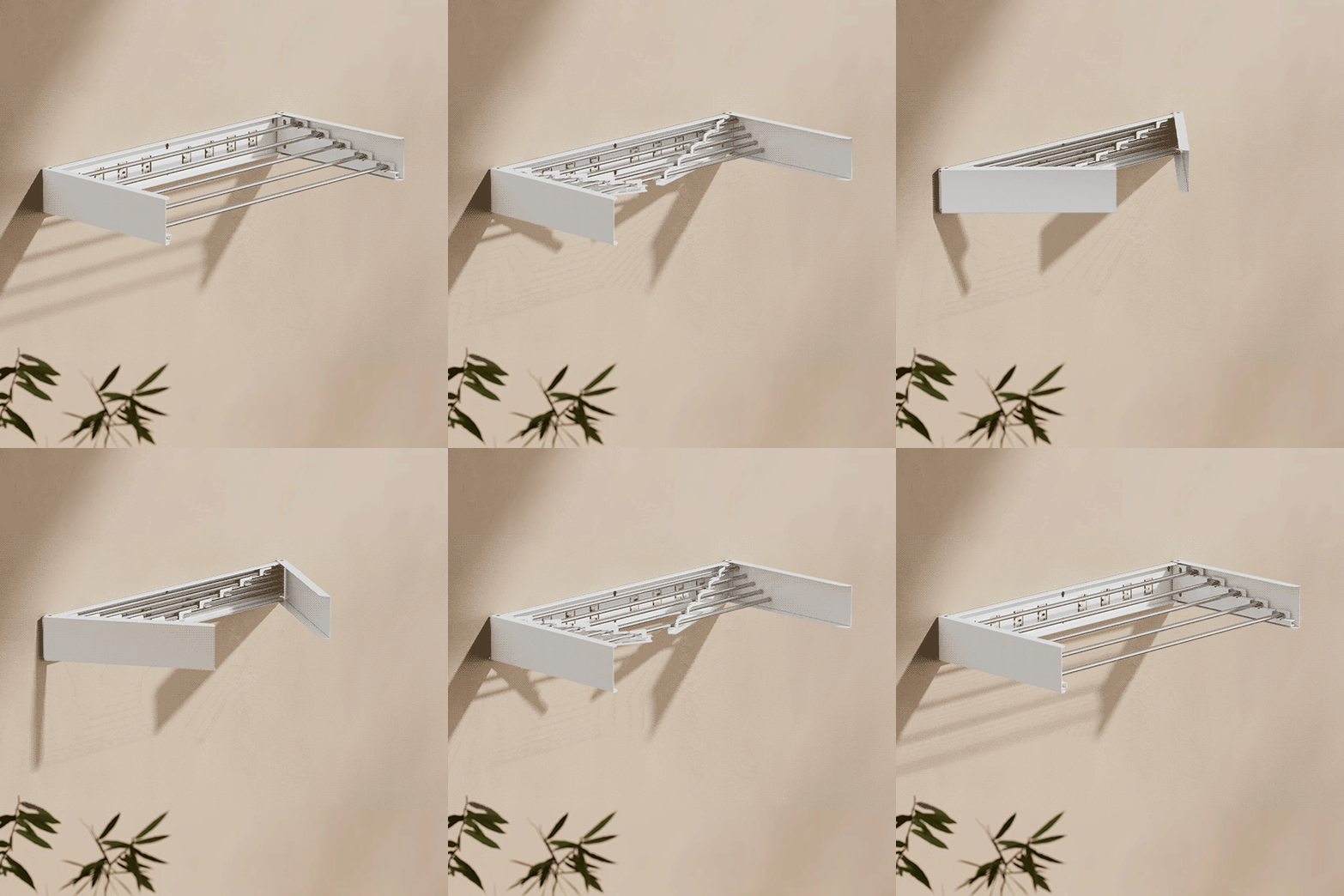
| Wall-mounted clothes airer | Uses wall space | Wall installation required | Usually no electricity | Homes where ceiling installation is not suitable |
| Folding floor airer | Uses floor space | No fixed installation | No electricity unless heated | Occasional drying or homes with spare floor space |
| Heated clothes airer | Usually uses floor space | Usually, there is no fixed installation | Yes | Users who want assisted drying and have space for the unit |
| Tumble dryer | Uses appliance space | Needs appliance position and power | Yes | Homes with enough space and suitable appliance access |
For a small flat, start with the space you actually have. If the ceiling is suitable, an electric ceiling airer can be a practical drying solution for apartments. If the ceiling is unsuitable, a wall-mounted clothes airer may be a better fit. If you prefer a non-electric setup, also compare manual ceiling clothes airers.
Can an Electric Ceiling Airer Help You Dry Clothes Indoors Without a Tumble Dryer?
An electric ceiling airer can help with everyday indoor drying, especially when floor space is limited. It gives wet clothes a dedicated place to hang and keeps the drying area above the floor.
It should not be treated as a complete replacement for a tumble dryer in every home or every season. Drying time depends on airflow, humidity, fabric type, fabric thickness, and how closely items are spaced. Towels, jeans, and bedding often need longer drying times, especially in cool or humid weather.
Indoor drying also adds moisture to the room, so ventilation still matters. UK ventilation and damp guidance recommends managing moisture with airflow, heating, and suitable ventilation when drying laundry indoors. Tumble dryer energy guidance also explains why many households pay attention to appliance use, but an electric ceiling airer works best as part of a sensible indoor drying routine.
What Should You Check Before Buying an Electric Ceiling Airer?
Before choosing an electric ceiling airer, look beyond size and features. The right model depends on your home layout, ceiling structure, laundry habits, and installation conditions.
Ceiling Structure and Installation Suitability
A ceiling-mounted clothes airer needs a suitable mounting surface. Rated load capacity depends on proper installation, suitable anchors, a suitable mounting surface, and even weight distribution.
Check whether your ceiling can support the product and the expected laundry load. If you are unsure, professional installation is recommended.
Available Ceiling Space and Lowering Height
Measure the installation area before buying. Check the airer body size, rod length, lowering distance, and the space needed for clothes to hang freely.
Look for nearby doors, windows, cupboards, lighting, extractor fans, and furniture. The airer should lower to a comfortable height without blocking normal movement.
Laundry Volume and Daily Routine
A single person in a compact flat may need a different model from a household that dries laundry daily. If you often dry towels, bedding, or heavier garments, compare the rod layout, usable hanging space, and rated capacity.
Use the airer within its stated limits and spread laundry evenly across the rods.
Features You Actually Need
Some users mainly want electric lifting. Others may want lighting, heating, fan airflow, UV functions, or adjustable rods.
Choose features based on your routine. A compact flat may need a smaller ceiling airer. A larger household may need more hanging space. A recessed style may suit a planned laundry area if the ceiling design and installation conditions allow it.
Indoor or Covered Balcony Location
If you plan to install an electric ceiling airer on a balcony, check whether the area is covered and sheltered. Avoid exposed locations where the product could be subject to prolonged rain, strong winds, or other unsuitable outdoor conditions.
For many homes, an indoor laundry area, a sheltered balcony, or a utility space will be more suitable than an exposed outdoor location.
Which Electric Ceiling Airer May Suit Your Home?
Once you know your ceiling can support an electric airer, compare models by usable hanging space, lowering height, rated load, installation type, and how often you dry laundry.
For Compact Spaces: Mini Electric Ceiling Airer
The Mini electric ceiling airer may suit smaller flats, narrow laundry corners, or compact covered balcony areas where a full-size ceiling unit would feel too large. Check its dimensions against your available ceiling space before choosing it.
For Larger Household Loads: V6 Pro Electric Ceiling Airer
The V6 Pro electric ceiling airer may be a better match for homes that need more hanging space. Before choosing a larger model, confirm the rated load, mounting surface, anchor suitability, and installation requirements.
For an Integrated Ceiling Finish: M20 Recessed Electric Ceiling Airer
The M20 recessed electric ceiling airer is worth considering where the ceiling design allows a recessed installation. It is best suited to planned laundry areas, renovations, or homes where professional fitting is already part of the project.
If Your Ceiling Is Not Suitable
If your ceiling cannot support a ceiling-mounted airer, a wall-mounted clothes airer may be more practical. It still needs a suitable wall and correct installation, but it avoids using ceiling space.
If You Prefer a Non-Electric Option
If you like the idea of overhead drying but do not need powered lifting, a manual ceiling clothes airer may be a better fit. Manual models usually use a pulley, hand crank, or winch system to raise and lower laundry.
You can also compare EaseRack clothes airer models by ceiling space, laundry routine, installation area, and preferred operation.
FAQ
Is an Electric Ceiling Airer the Same as a Heated Clothes Airer?
No. An electric ceiling airer uses electricity to lift and lower the airer. Some models may also include heating, fan airflow, lighting, or UV functions, but these vary by model. A heated clothes airer usually refers to a drying unit with heated bars or panels, often floor-standing.
Is an Electric Ceiling Airer Suitable for a Small Flat?
It can be suitable if your flat has enough ceiling space, suitable mounting conditions, and enough clearance for lowering and loading laundry. It is most useful when you want to avoid leaving a floor airer in your living space.
How Much Ceiling Space Do I Need for an Electric Ceiling Airer?
The space needed depends on the model size, rod length, lowering height, and the area needed for clothes to hang freely. Measure the ceiling area and check nearby doors, windows, lights, cupboards, and furniture before buying.
Can an Electric Ceiling Airer Replace a Tumble Dryer?
It can reduce tumble dryer use for everyday laundry, but it should not be treated as a complete replacement in every home. Drying time depends on airflow, humidity, fabric type, fabric thickness, and laundry spacing.
Can I Use an Electric Ceiling Clothes Airer on a Covered Balcony?
It can suit some covered or sheltered balcony spaces if the model, ceiling structure, exposure level, and installation conditions allow it. Avoid long-term exposure to rain, strong wind, or unsuitable outdoor conditions unless the product guidance clearly supports that use.
Is an Electric Ceiling Airer the Same as an Electric Clothes Drying Rack?
An electric ceiling airer is a type of electric clothes-drying rack. It is installed on the ceiling and lifts laundry above the floor. Other electric clothes-drying racks may be floor-standing, heated, or otherwise designed depending on the product.
What Should I Check Before Installing a Ceiling-Mounted Clothes Airer?
Check your ceiling structure, mounting surface, suitable anchors, electrical requirements, available clearance, and product load guidance. If you are unsure about installation, professional installation is recommended.
Conclusion
An electric ceiling airer gives small flats and compact homes a fixed place to dry laundry without leaving a rack on the floor. It lowers for loading, lifts clothes overhead, and can make everyday drying easier to manage when the ceiling and installation area are suitable.
Choose by space first, then by load, controls, features, and installation type. A smaller model may suit a compact flat, a larger model may suit frequent laundry, and a recessed model may work best where the ceiling design allows it.
Explore EaseRack electric ceiling airers to compare models for your home layout, laundry routine, and installation conditions.