



Drying clothes indoors is part of everyday life for many UK and European homes. You may not have a garden, your balcony may be too small or exposed, or you may simply prefer not to rely on a tumble dryer for every wash.
The challenge is that wet laundry adds moisture to the air. In a small flat or apartment, that can lead to condensation, musty smells, damp patches, and a floor airer taking over the room.
The solution is not just to hang clothes somewhere and wait. A practical indoor drying setup needs airflow, moisture control, enough space between garments, and a clothes airer that fits your home.
Quick answer: To dry clothes indoors without a tumble dryer, choose a ventilated room, leave gaps between garments, keep laundry off radiators, and manage moisture with a window, vent, extractor fan, or dehumidifier where suitable. In small flats, a ceiling or wall-mounted clothes airer can also help keep the floor clearer.
- Choose a room with practical ventilation.
- Leave gaps between garments.
- Keep laundry off radiators.
- Use an extractor fan, open vent, or dehumidifier where suitable.
- Watch windows and cold surfaces for condensation.
Why Indoor Laundry Can Cause Problems in Small Flats
Indoor drying becomes more difficult when moisture, limited space, and poor airflow happen at the same time. A few shirts may not feel like a problem, but a full load of washing can release a noticeable amount of moisture as it dries.
UK government guidance on damp and mould in the home explains that damp and mould can affect health, especially for people with respiratory conditions, allergies, or weakened immune systems. Indoor laundry needs to be managed carefully, particularly in compact homes.
How Wet Laundry Adds Moisture to the Air
When clothes dry, water leaves the fabric and enters the surrounding air. In a warm, ventilated room, that moisture can move away more easily. In a cold or closed room, damp air may remain trapped for longer.
This does not mean you should avoid indoor drying altogether. It means wet laundry should be treated as a source of moisture rather than something to leave on a rack without ventilation.
Why Condensation Appears on Windows and Cold Surfaces
Condensation forms when moisture in the air reaches a colder surface, such as a window, wall, mirror, or external corner. Oxford City Council’s condensation advice explains this process clearly.
If water regularly appears on windows after drying laundry, the room may need better ventilation, smaller loads, or more effective moisture control.
Why Floor Airers Are Not Always Practical
A folding floor airer can be useful, but it often takes up the exact space you need most. In a small flat, it may block a hallway, bedroom, living room, or balcony door.
A space-saving clothes airer does not remove moisture by itself, but it can make indoor drying easier to organise by using wall, ceiling, or balcony space more efficiently.
Choose the Right Room for Indoor Drying
The room you choose has a big effect on drying performance. Look for a space with airflow, some warmth, and enough room to spread garments apart.
Use a Room with Ventilation
Where possible, dry laundry in a room with a window, vent, or extractor fan. Ventilation helps damp air leave the room and reduces the chance of moisture collecting on cold surfaces.
The best drying room is not always the room with the most empty floor space. It is the room where moisture can be managed most effectively.
Keep Internal Doors Closed While Laundry Dries
Closing the internal door can help stop damp air spreading through the rest of the home. This is useful in small flats where the kitchen, hallway, and living area may be close together.
Do not seal the room completely. Moisture still needs a way out through a window, vent, extractor fan, or dehumidifier.
Avoid Bedrooms Where Possible
Bedrooms are not ideal drying spaces because airflow may be limited and moisture can collect on colder surfaces overnight.
If a bedroom is your only option, dry during the day where possible, leave gaps between garments, and ventilate the room when conditions allow.
Do Not Cover Radiators with Wet Clothes
Drying clothes directly on radiators can push moisture into the room quickly and reduce heat circulation. Thick fabrics may also dry unevenly.
If you use heating while laundry dries, place clothes on an airer with enough space around them instead of covering the radiator.
How to Prevent Damp, Mould, and Condensation When Drying Clothes Indoors
Indoor drying works best when airflow and moisture control are used together. A window can help, but clothes will still dry slowly if they are packed tightly. A dehumidifier can help, but it is more effective when air can move around the garments.
Open a Window, Vent, or Use an Extractor Fan
If the weather allows, open a window slightly while clothes dry. In bathrooms or utility rooms, an extractor fan can help move humid air outside. Trickle vents can also help if your windows have them.
During colder or wetter weather, shorter ventilation periods may be more practical than leaving a window open for hours.
Leave Space Between Garments
Clothes dry more effectively when air can move around the fabric. If shirts, towels, and trousers are pressed together, damp air can become trapped between them.
Leave small gaps between items. Give towels, jeans, bedding, and thick jumpers more room than lightweight shirts or T-shirts.
Use a Dehumidifier Where Suitable
A dehumidifier can help remove moisture from the air while laundry dries. It is particularly useful in winter, in internal rooms, or in flats where condensation appears quickly.
It works best alongside sensible room choice, garment spacing, and airflow. It should not be treated as a substitute for ventilation in every situation.
Watch for Condensation
Check windows, external walls, cold corners, and areas behind furniture. Water droplets, musty smells, or dark patches can be early signs that the room is struggling with moisture.
If condensation keeps returning, adjust your routine by drying smaller loads, improving ventilation, or moving laundry to a better room.
Space-Saving Clothes Airers for Small Flats
The right clothes airer will not prevent damp or mould by itself. That depends on ventilation, room choice, moisture control, and garment spacing. What a good airer can do is make indoor drying easier to manage when floor space is limited.
If a floor rack keeps blocking your room, compare drying racks for small spaces that make better use of wall, ceiling, or sheltered balcony areas.
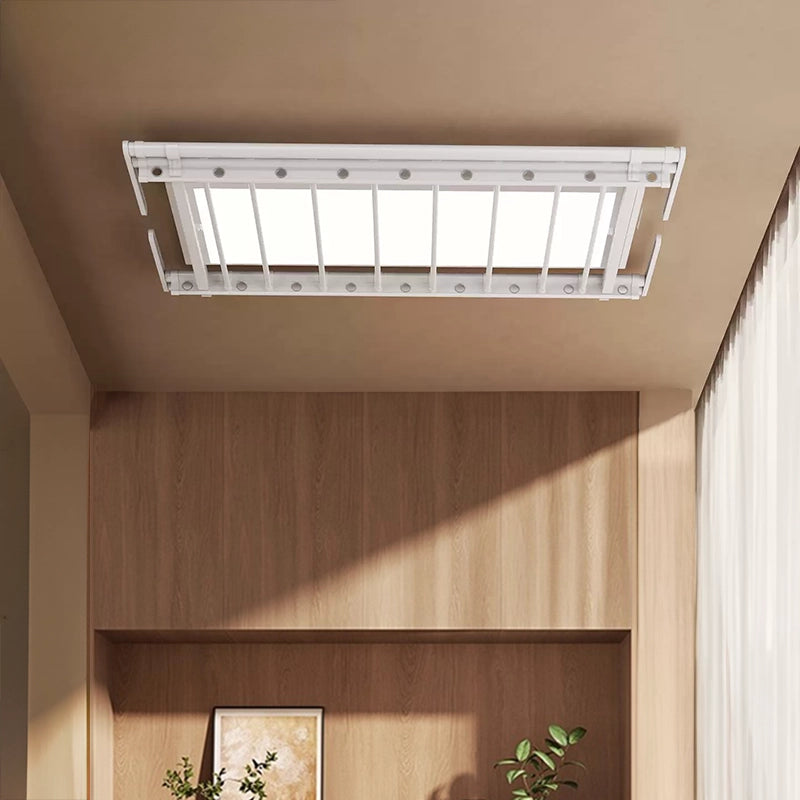
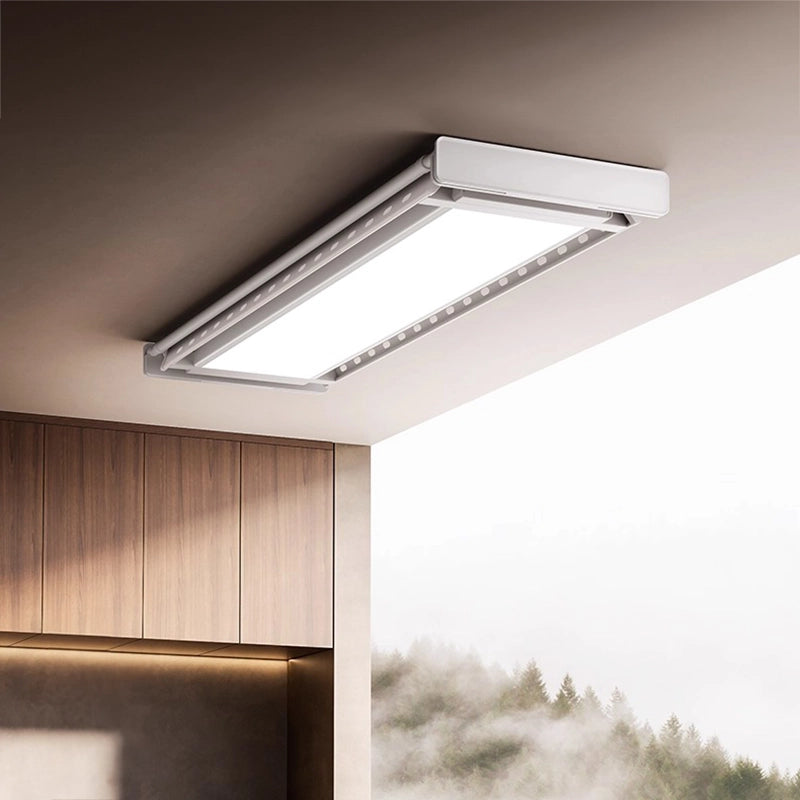
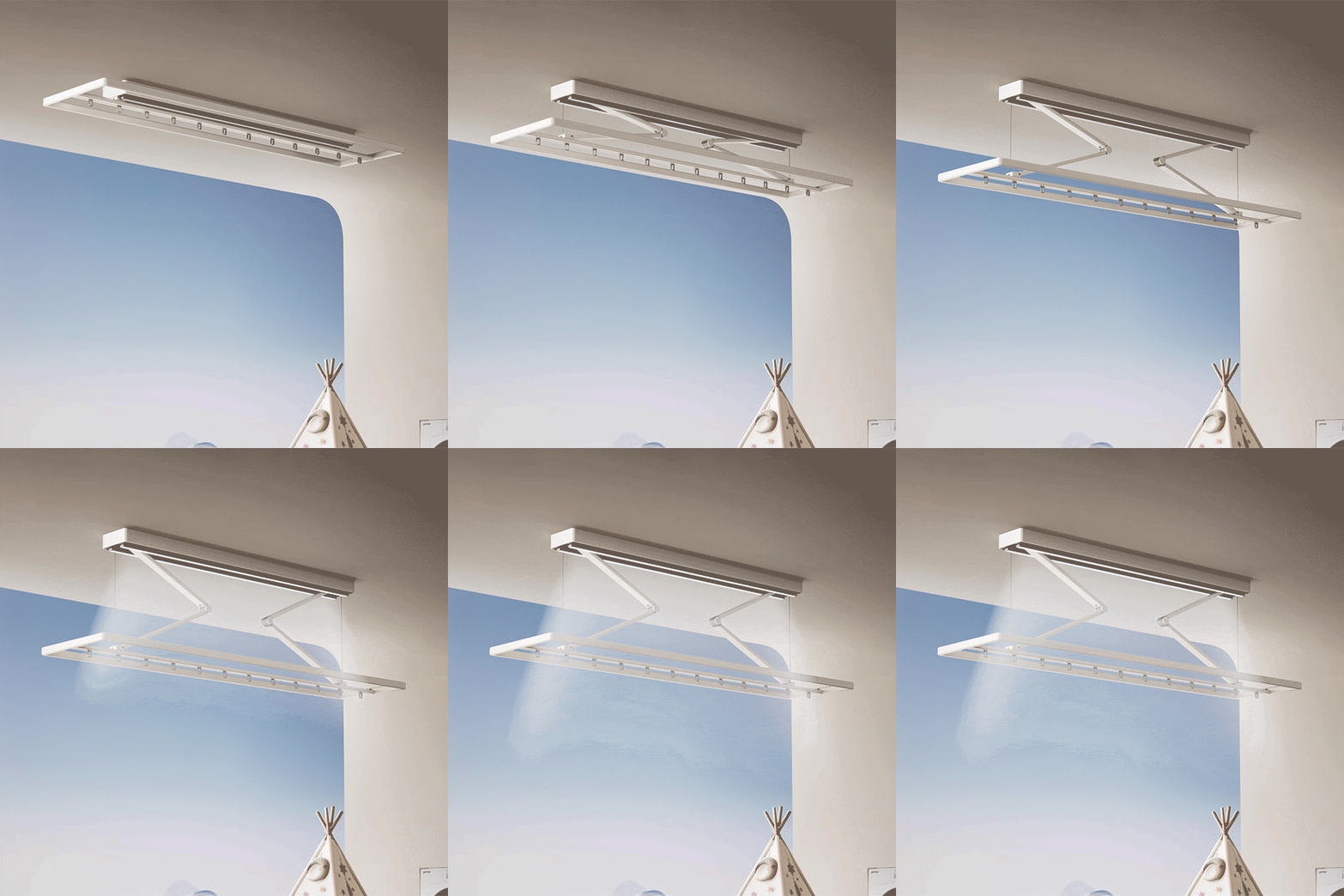
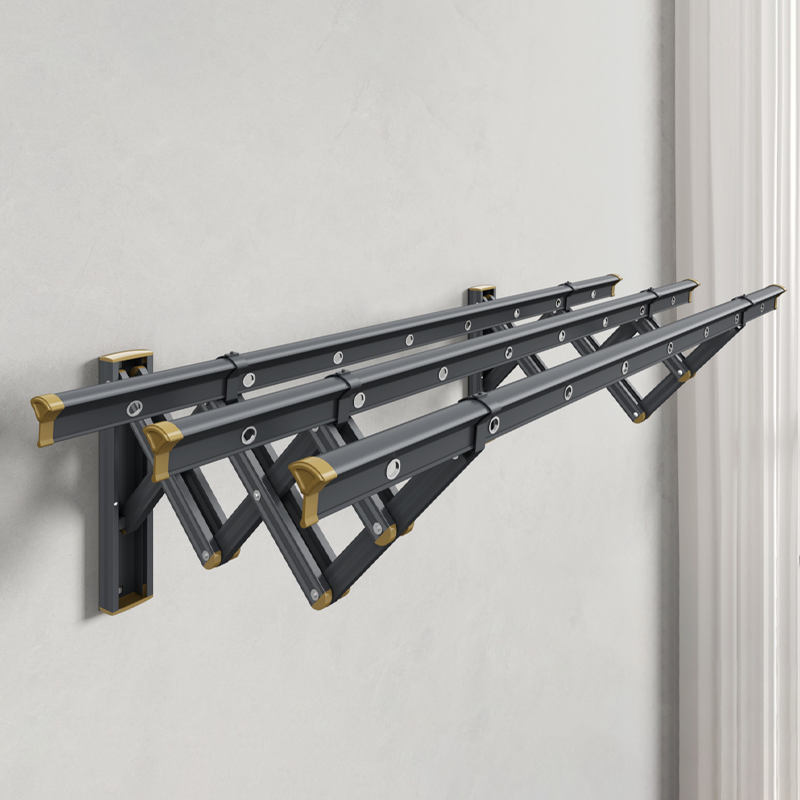
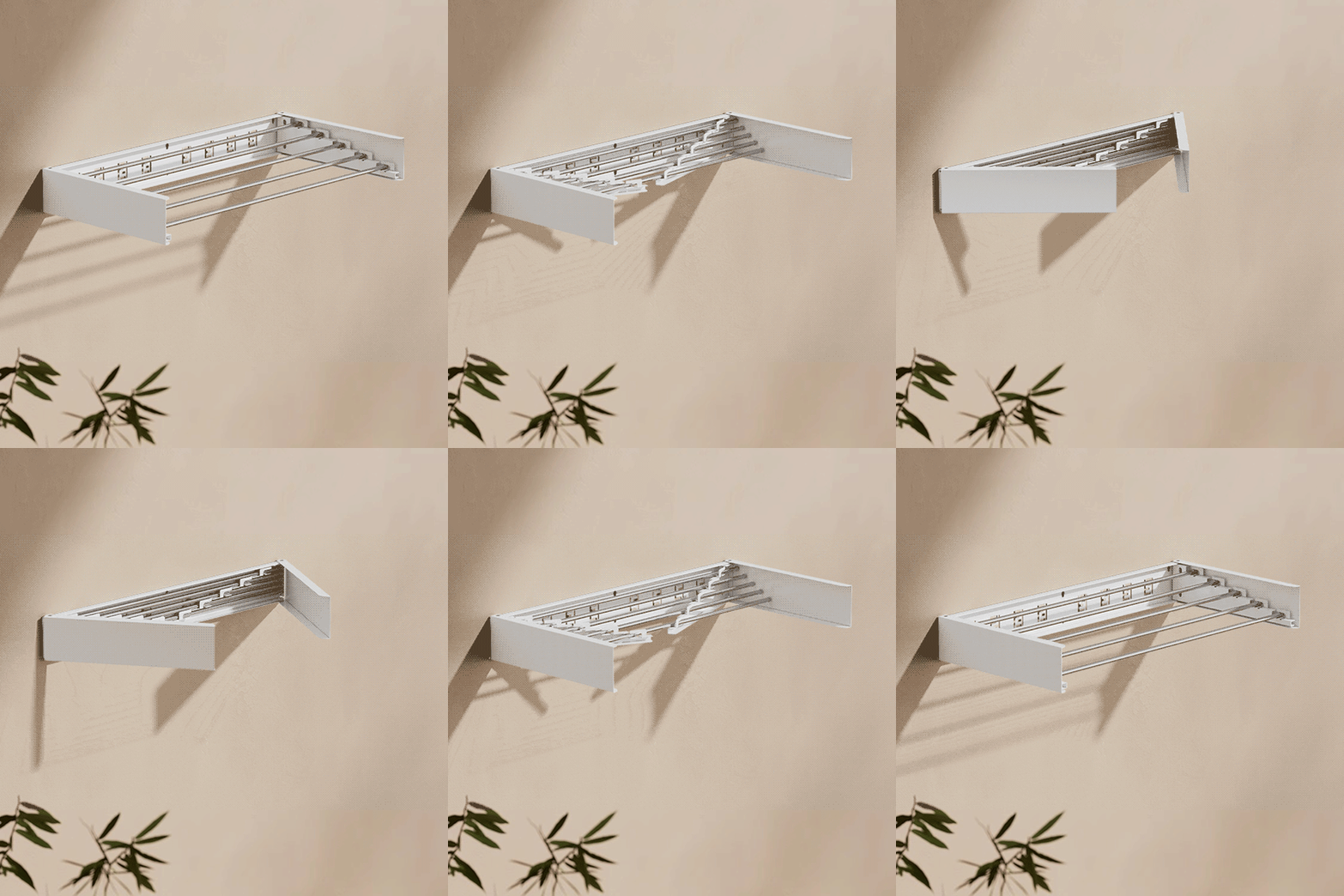
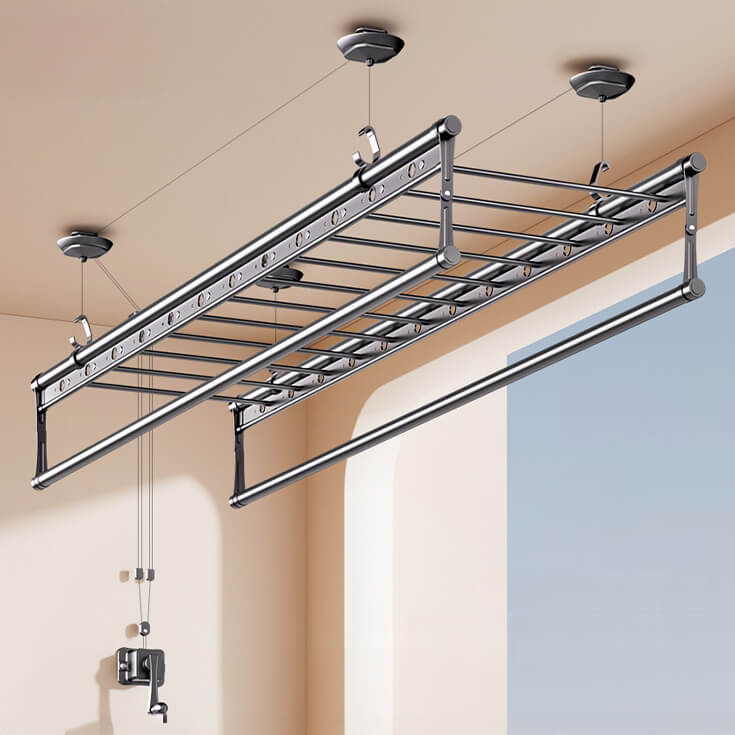
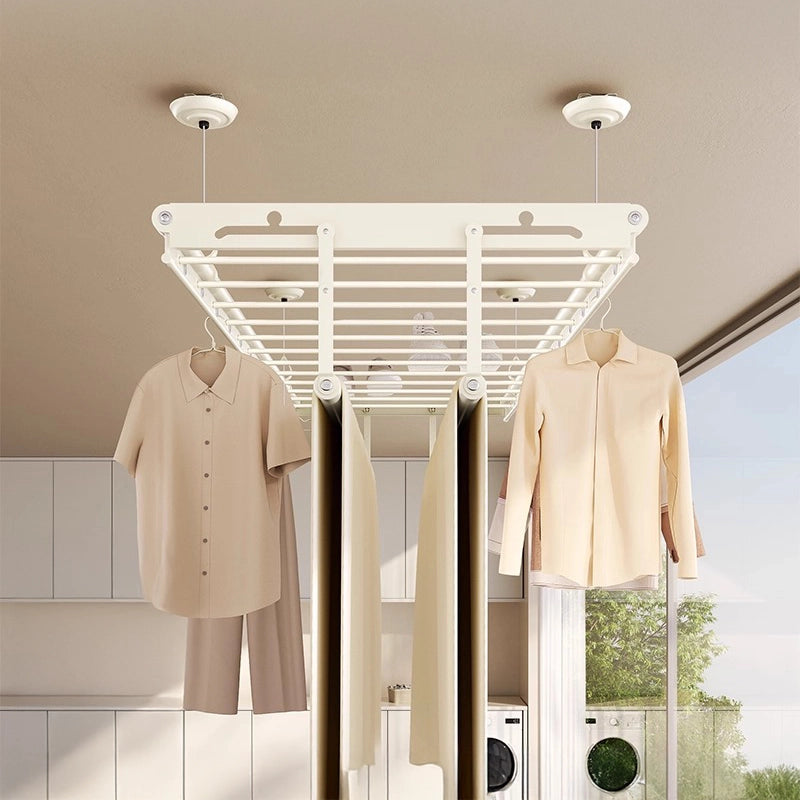
Use a ceiling clothes airer when overhead space is easiest to access. Choose a wall-mounted clothes airer when you have a suitable wall and want the rack to fold or retract when not in use. Keep a portable floor airer for occasional loads or rented homes where fixed installation is not possible.
| Airer Type | Best Suited For | Space-Saving Benefit | What to Check Before Buying |
|---|---|---|---|
| Ceiling clothes airer | Small flats, utility areas, compact covered balconies | Uses overhead space and keeps floors clearer | Ceiling type, room height, fixings, laundry needs |
| Wall-mounted clothes airer | Narrow laundry areas, bathrooms, utility spaces | Folds or retracts towards the wall when not in use | Wall material, installation position, extension range |
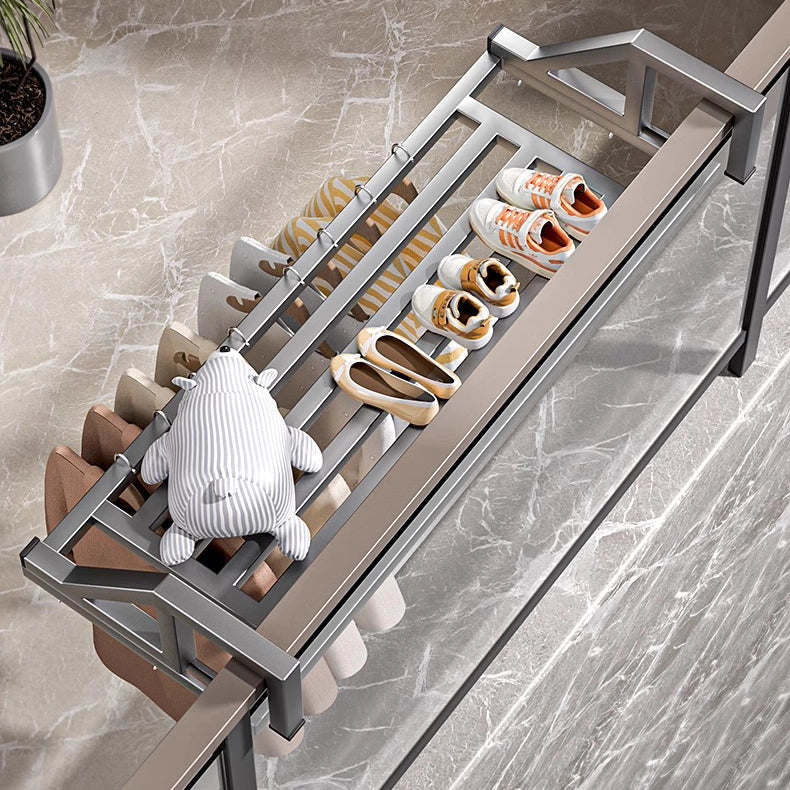
| Balcony-friendly airer | Covered or sheltered balconies | Keeps laundry outside the main living area where suitable | Weather exposure, wind, building rules, fixing surface |
| Portable floor airer | Occasional drying, renters, temporary setups | Can be stored away between uses | Floor space, storage size, stability, laundry capacity |
Explore EaseRack ceiling clothes airers and wall-mounted clothes airers to compare space-saving options for compact homes.
Ceiling Clothes Airers for Overhead Space
A ceiling clothes airer can be useful when the floor is the wrong place for laundry. It lifts clothes above the main living area, helping a compact room, balcony, or utility space stay easier to use.
Before choosing one, check the ceiling type, room height, installation position, and expected laundry load. Rated load capacity depends on correct installation, suitable anchors, mounting surface, and even weight distribution.
Wall-Mounted Clothes Airers for Narrow Areas
A wall-mounted clothes airer can suit narrow laundry areas, bathrooms, covered balconies, or utility rooms where wall space is easier to use than ceiling space.
Check the wall material, fixing surface, and how far the airer extends into the room. It should be easy to reach without blocking doors, cupboards, or walkways.
Balcony-Friendly Airers for Sheltered Spaces
A covered or sheltered balcony can provide a useful drying area where local weather, airflow, building rules, and product installation requirements allow.
Do not assume every apartment balcony is suitable. Check wind exposure, rain exposure, fixing surfaces, landlord or property-management rules, and product guidance before fitting an airer.
Portable Airers for Occasional Use
A portable airer can still be useful for occasional laundry, guest bedding, or homes where fixed installation is not possible. The trade-off is floor space. In a small flat, it may need to be moved often.
Practical Indoor Drying Routines
There is no single drying time that applies to every home. Results vary depending on airflow, humidity, temperature, fabric type, fabric thickness, and laundry spacing.
A practical routine starts by removing as much water as possible before hanging, then giving the remaining moisture a clear route out of the fabric and room.
Use a Suitable Spin Cycle
A suitable spin cycle can remove excess water before clothes reach the airer. This can reduce dripping and help laundry feel less heavy. Always follow garment care labels, especially for delicate fabrics.
Shake Garments and Leave Gaps
Shake each item before hanging to loosen folds. Then leave space between garments so air can pass through. This is a simple step, but it can make a noticeable difference on crowded laundry days.
Give Thicker Fabrics More Space
Towels, jeans, sweatshirts, bedding, and thick cotton items need more drying space than lightweight clothes. Spread them out where possible and avoid stacking heavy items in one area of the airer.
Dry Smaller Loads When Space Is Limited
Smaller loads may dry more reliably than one overloaded wash, especially in winter when ventilation is harder and humidity can stay higher indoors.
Use a Simple Winter Routine
In colder months, choose the warmest suitable room with some airflow. Avoid placing laundry directly on radiators. If opening a window for long periods is uncomfortable, use shorter ventilation periods or a dehumidifier where suitable.
Spread Family Laundry Evenly
For family laundry, avoid placing every heavy item on one side of the airer. Spread towels, bedding, and thicker clothes evenly. If you use a fixed ceiling or wall-mounted airer, follow the product loading guidance.
A tumble dryer or launderette may still be useful for urgent laundry, bulky bedding, or homes where ventilation is very limited. Indoor drying does not need to replace every other method. It simply gives you a practical routine for everyday loads.
FAQ: Drying Clothes Indoors Without a Tumble Dryer
What Is the Best Way to Dry Clothes Indoors Without a Tumble Dryer?
Choose a ventilated room, leave gaps between garments, keep laundry off radiators, and manage moisture with a window, vent, extractor fan, or dehumidifier where suitable. A space-saving clothes airer can also help if floor space is limited.
How Do I Dry Clothes Indoors Without Causing Damp?
You cannot remove all moisture from indoor drying, but you can reduce the risk of damp by improving ventilation, drying smaller loads, spacing garments properly, and using a dehumidifier where suitable. If damp or mould keeps returning, the room may need further investigation.
Does a Dehumidifier Help Dry Clothes Indoors?
Yes. A dehumidifier can remove moisture from the air while laundry dries. It works best with good garment spacing, a suitable room temperature, and an airer setup that allows air to move around the clothes.
How Much Space Should I Leave Between Clothes on an Airer?
Leave enough room for air to move between garments. Lightweight items can sit closer together than towels, jeans, or bedding. Thicker fabrics need more space because moisture can stay trapped between layers.
Is a Ceiling Clothes Airer Good for a Small Flat?
A ceiling clothes airer can be useful in a small flat because it uses overhead space and keeps the floor clearer. It is a space-saving drying tool, not a mould-prevention device. You still need ventilation, moisture control, suitable installation, and garment spacing.
Should I Use a Heated Clothes Airer or a Normal Clothes Airer?
It depends on your routine, budget, room conditions, and drying needs. A heated clothes airer may help in some homes, but results still depend on airflow, humidity, fabric thickness, and spacing. A normal airer can also work well in a ventilated room.
Can I Dry Clothes on a Covered Balcony?
You may be able to dry clothes on a covered balcony if the area is sheltered and the airer is suitable for that setting. Check wind, rain exposure, fixing surfaces, building rules, landlord requirements, and product-specific guidance before use.
Conclusion
Drying clothes indoors without a tumble dryer is easier when you manage moisture, airflow, garment spacing, and room choice together. A window, vent, extractor fan, or dehumidifier can help, but no single product solves every indoor drying problem by itself.
For small flats and apartments, the right clothes airer can make the routine more practical. Ceiling, wall-mounted, and balcony-friendly airers help organise laundry without leaving a floor rack in the middle of the room.
Explore EaseRack clothes airer guides and compare space-saving options for small flats, apartments, utility rooms, and covered balcony spaces. For more background on drying locations, read our guide to indoor vs outdoor clothes drying.

