

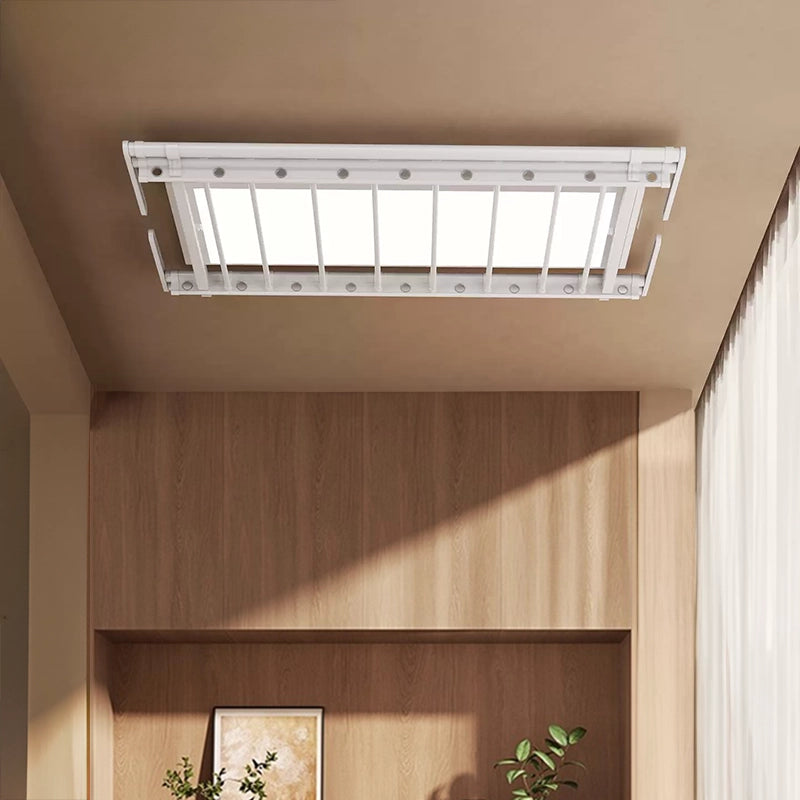
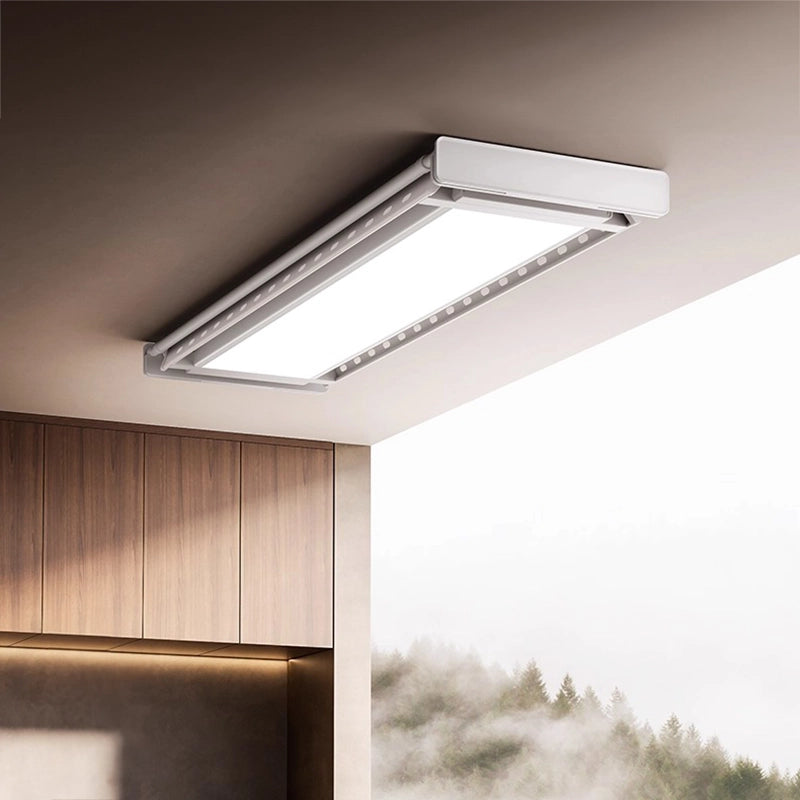

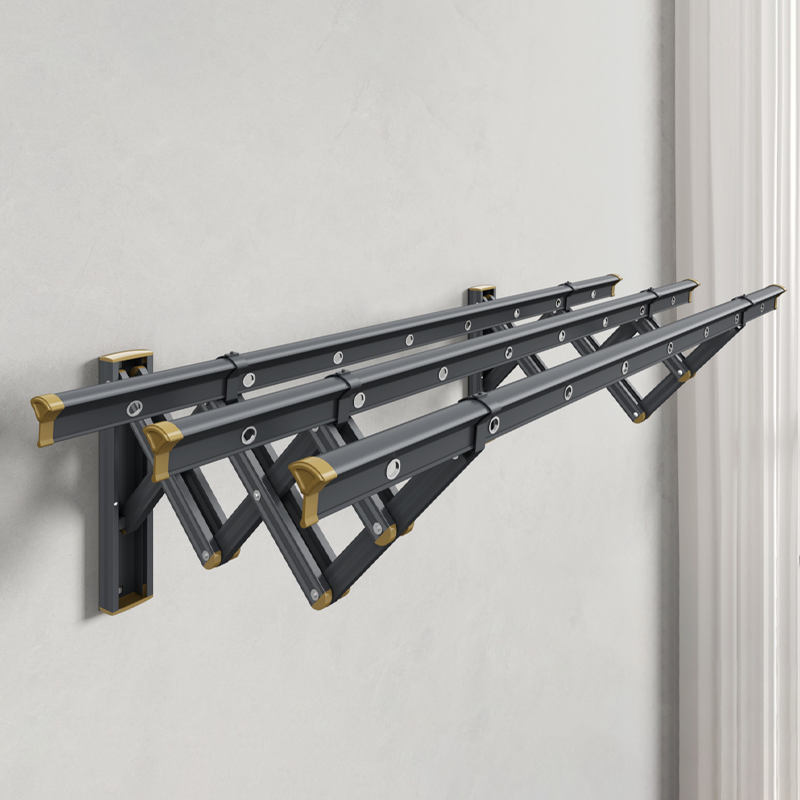

Compare Ceiling Clothes Airers for Flats, Balconies and Utility Rooms
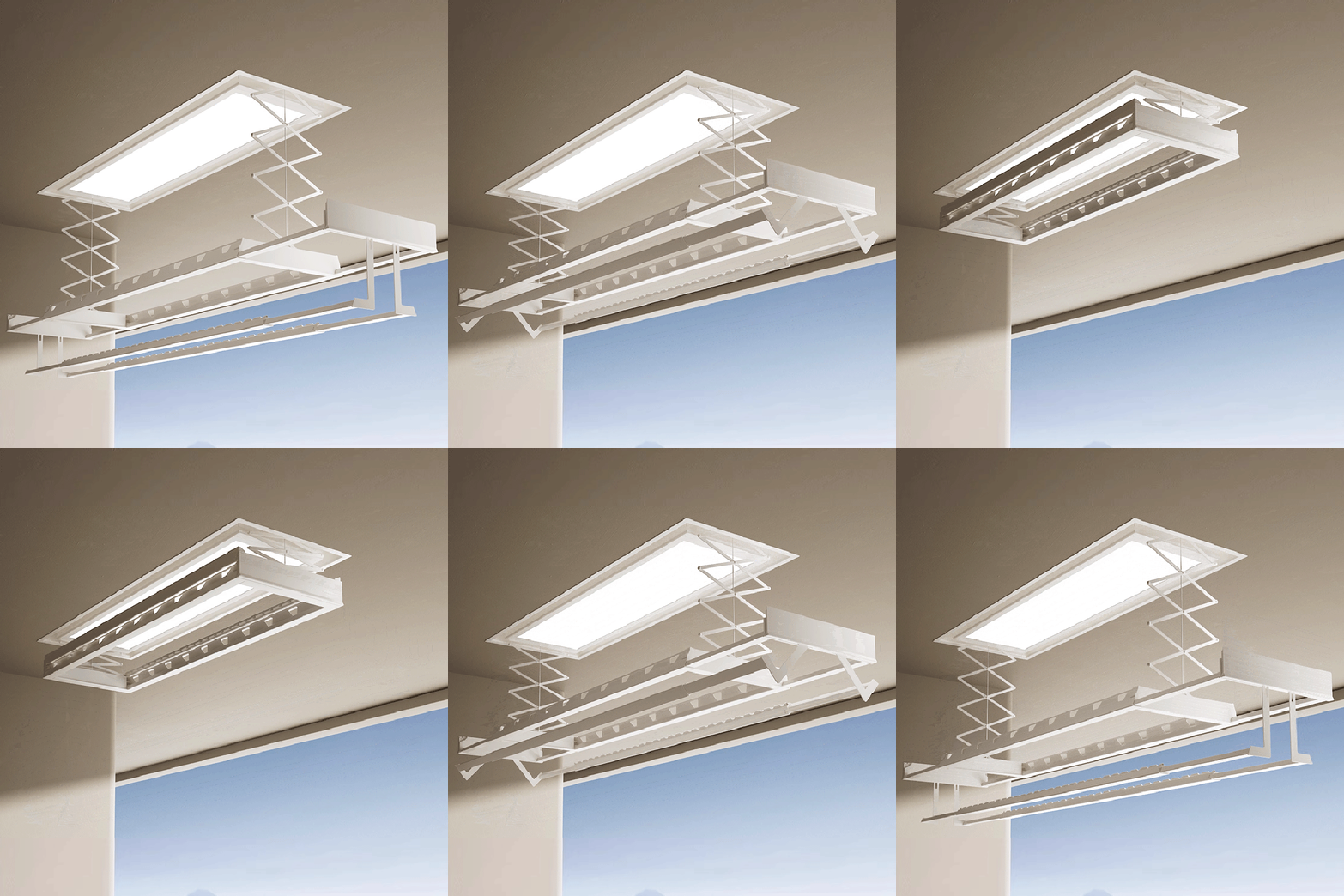
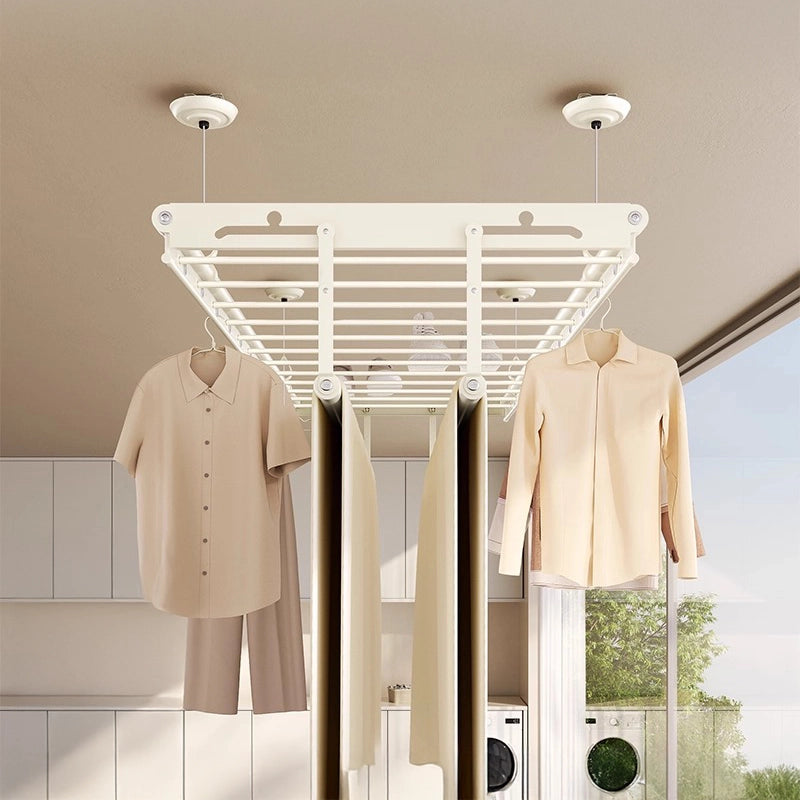
Explore EaseRack ceiling clothes airers designed to help keep floor space clearer and make indoor drying more organised. This collection includes manual, pulley-operated and electric ceiling drying racks for flats, balconies, utility rooms and compact homes.
Start with our manual ceiling clothes airers if you prefer a non-electric option, or compare electric ceiling clothes airers for powered lifting and easier daily use. You can also compare EaseRack clothes airer models before choosing.
Need more guidance? Read what is a ceiling clothes airer, compare manual vs electric ceiling clothes airer options, or learn about a pulley clothes airer.
Choose the Right Ceiling Clothes Airer for Your Space
Different homes need different ceiling drying solutions. EaseRack ceiling clothes airers include manual, pulley-operated and electric options, so you can choose a model based on your room size, installation position and daily laundry routine.
Manual Ceiling Airers
Best for: Everyday drying without electricity.
Simple, stable and cost-effective for regular laundry use.
Electric Ceiling Airers
Best for: Frequent laundry routines and modern balconies.
Powered lifting can make daily drying easier, especially in compact homes.
Compact Ceiling Airers
Best for: Small flats, narrow balconies and utility corners.
Helps keep laundry space above the floor and your room more organised.
Filters
8 products
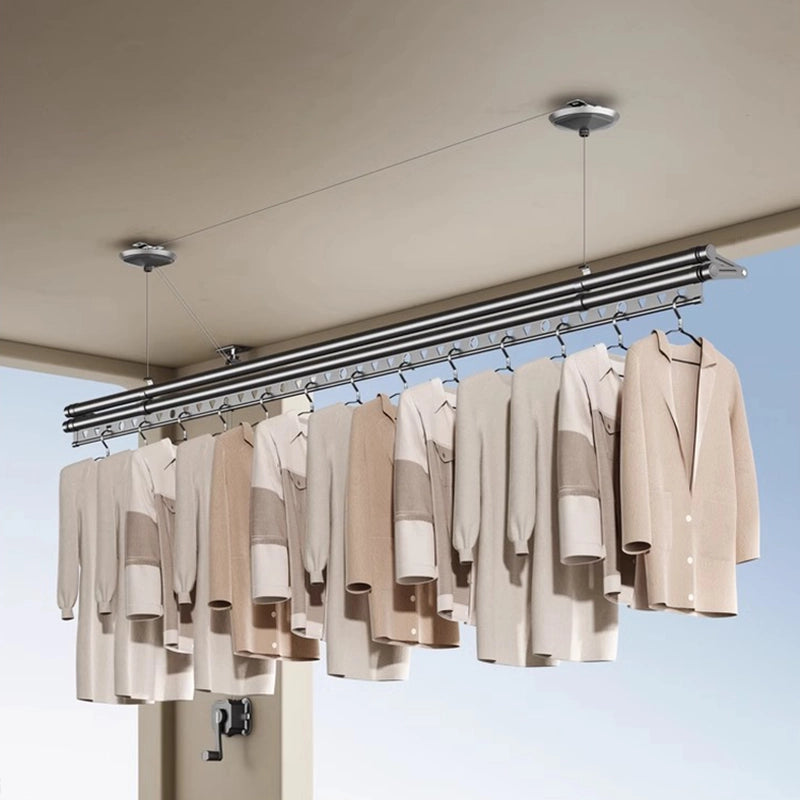
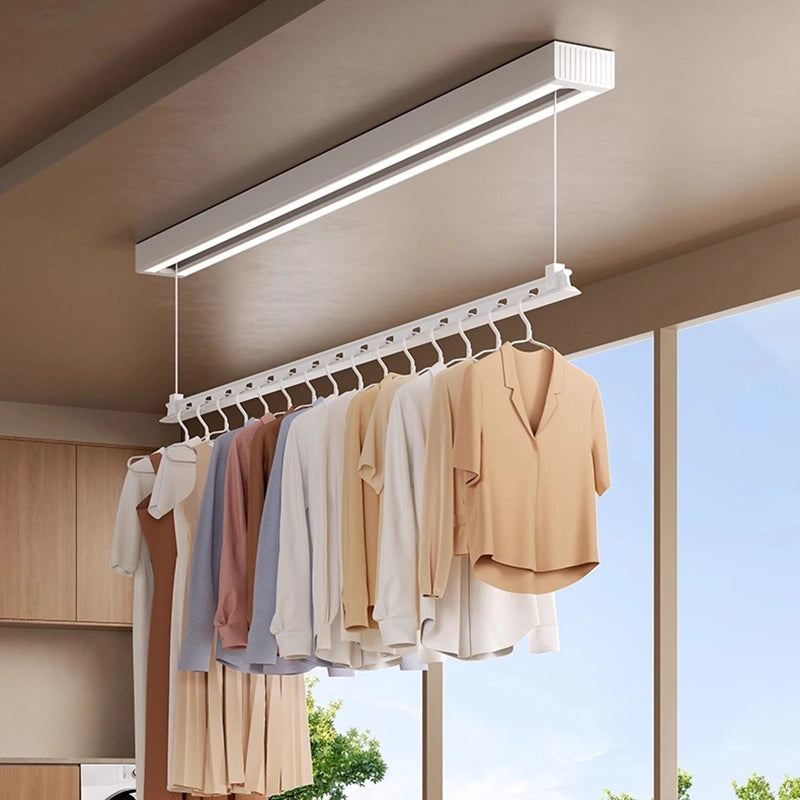
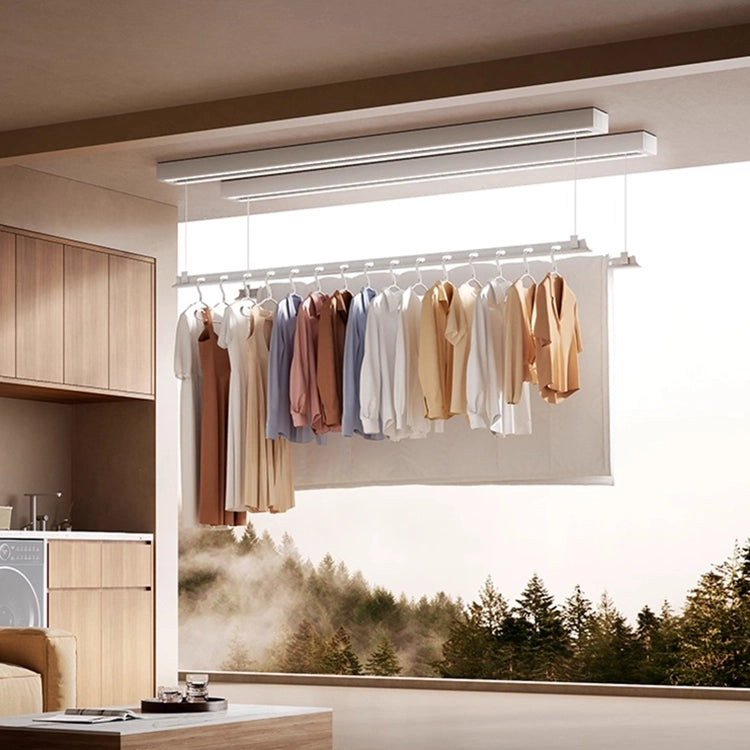

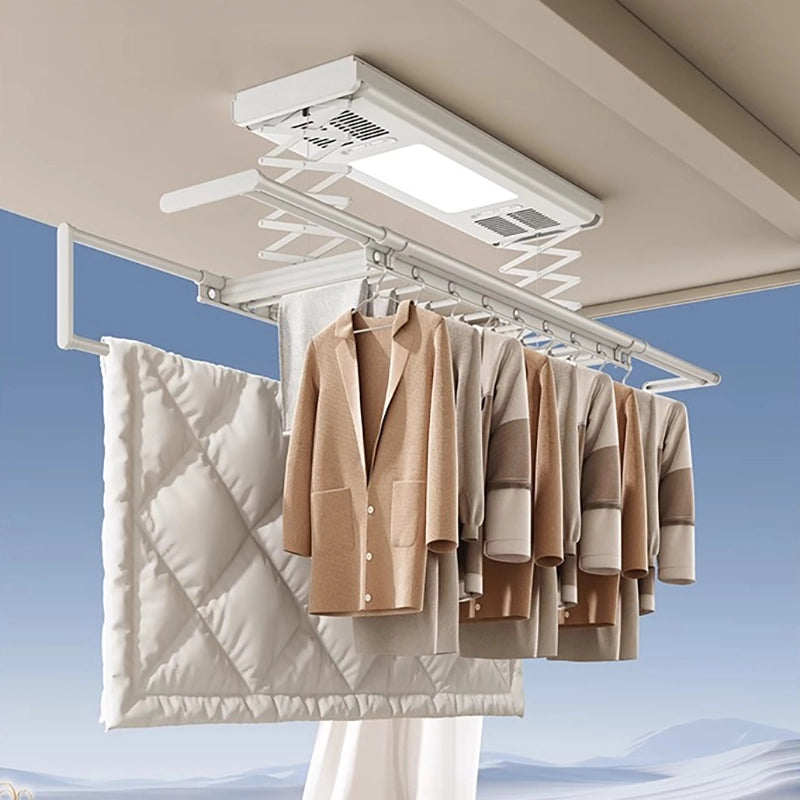
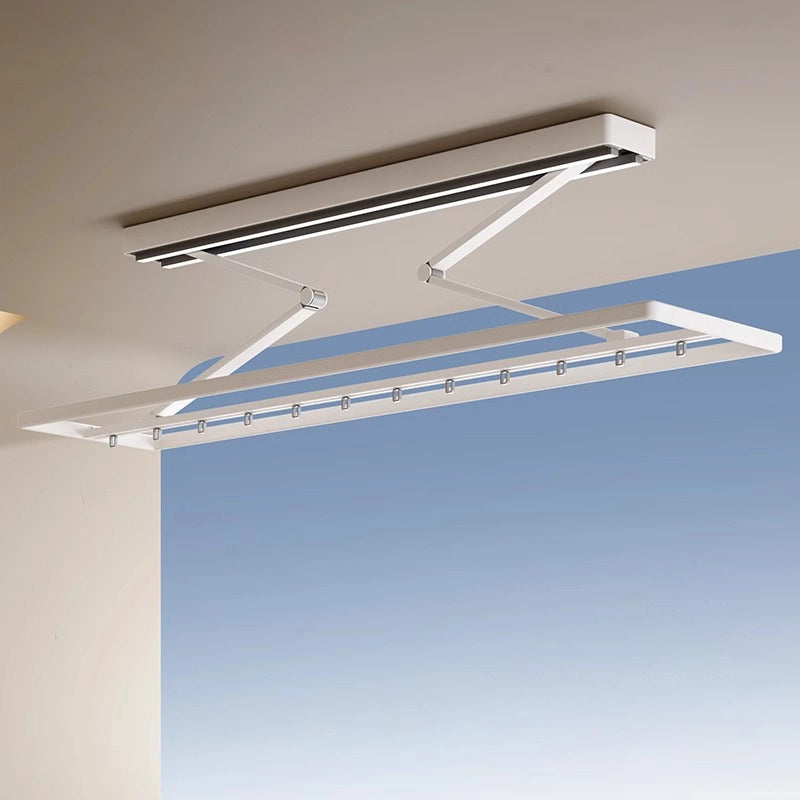
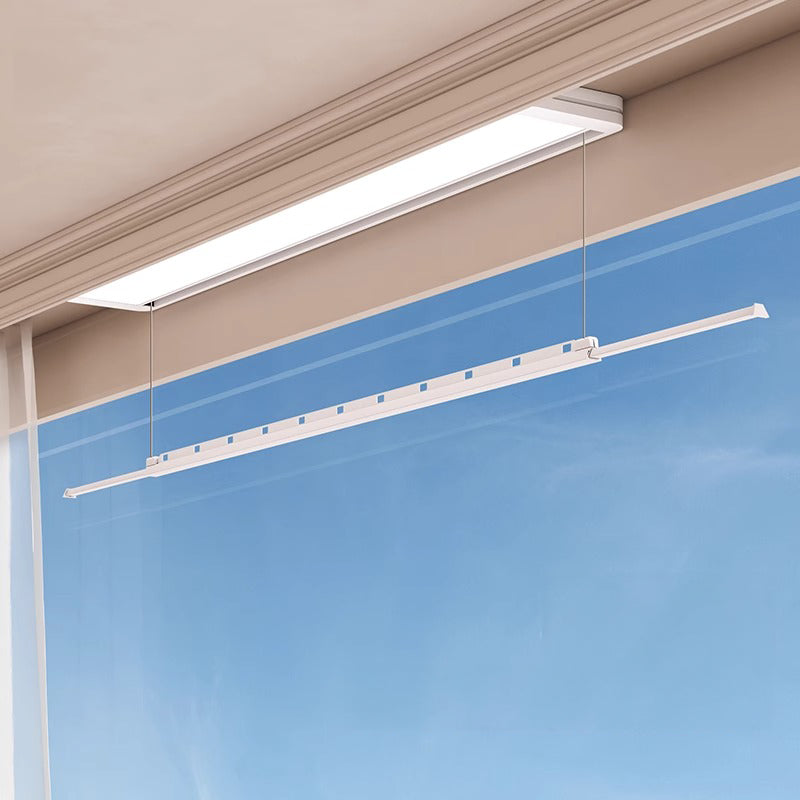
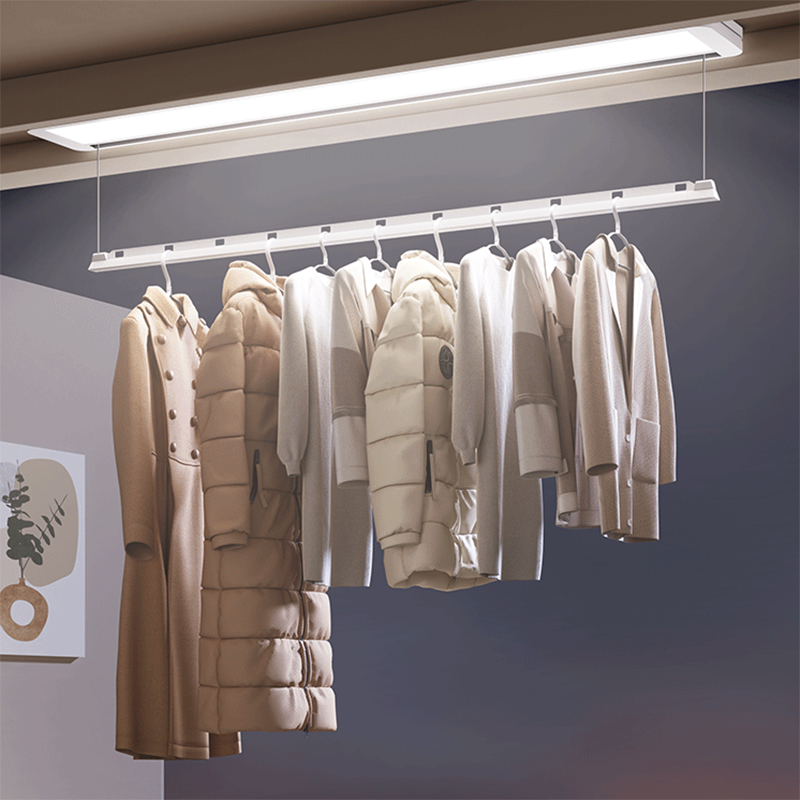
Where Can You Use a Ceiling Clothes Airer?
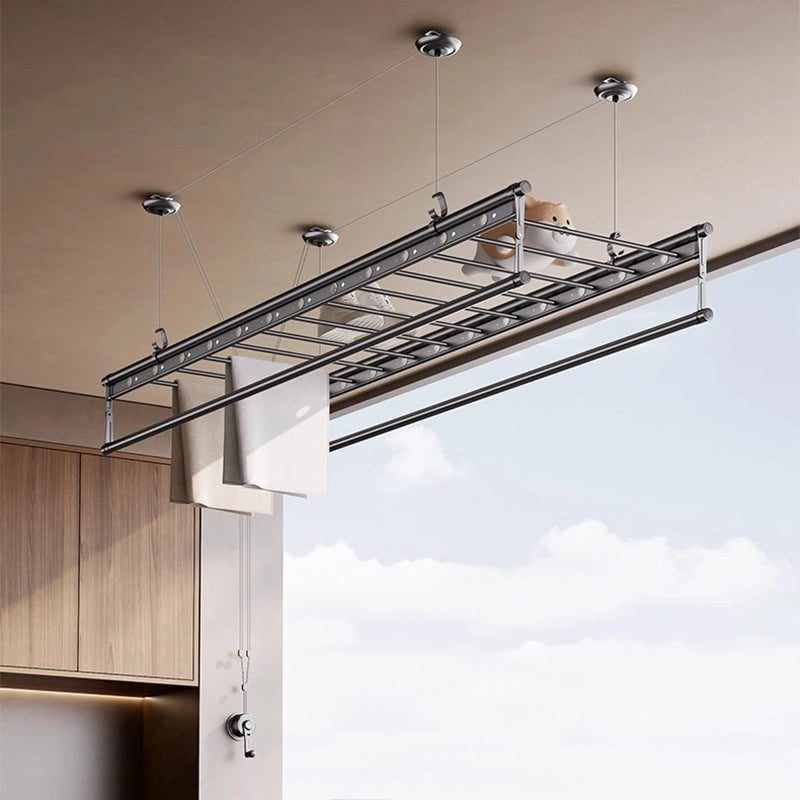
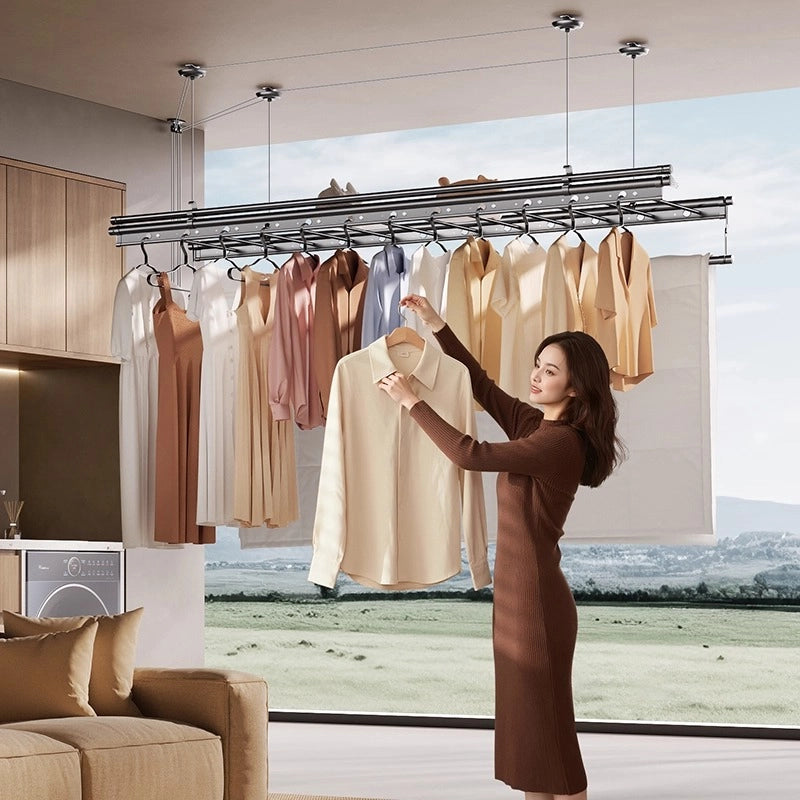
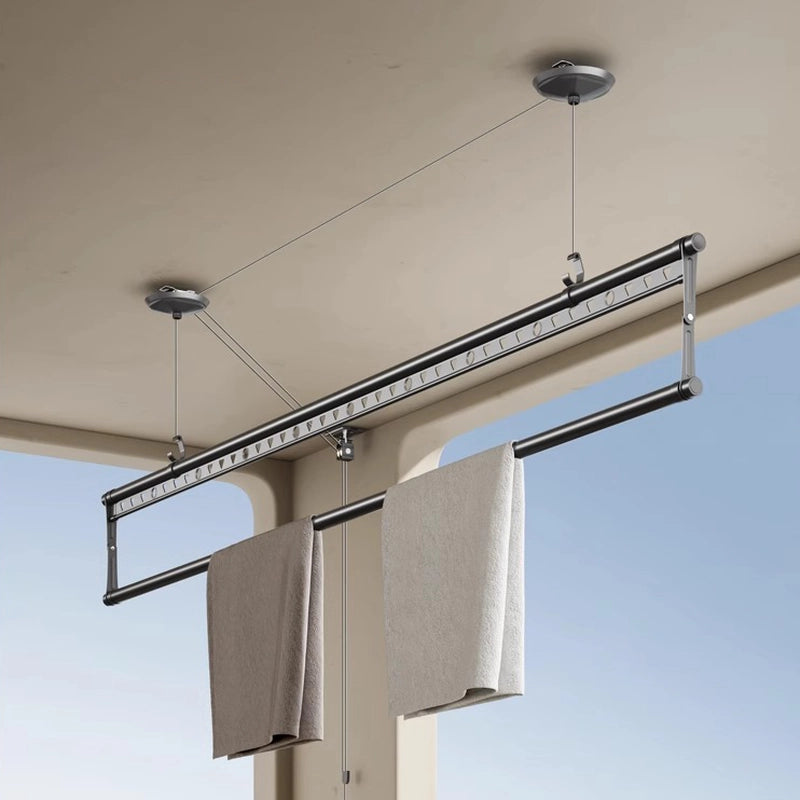
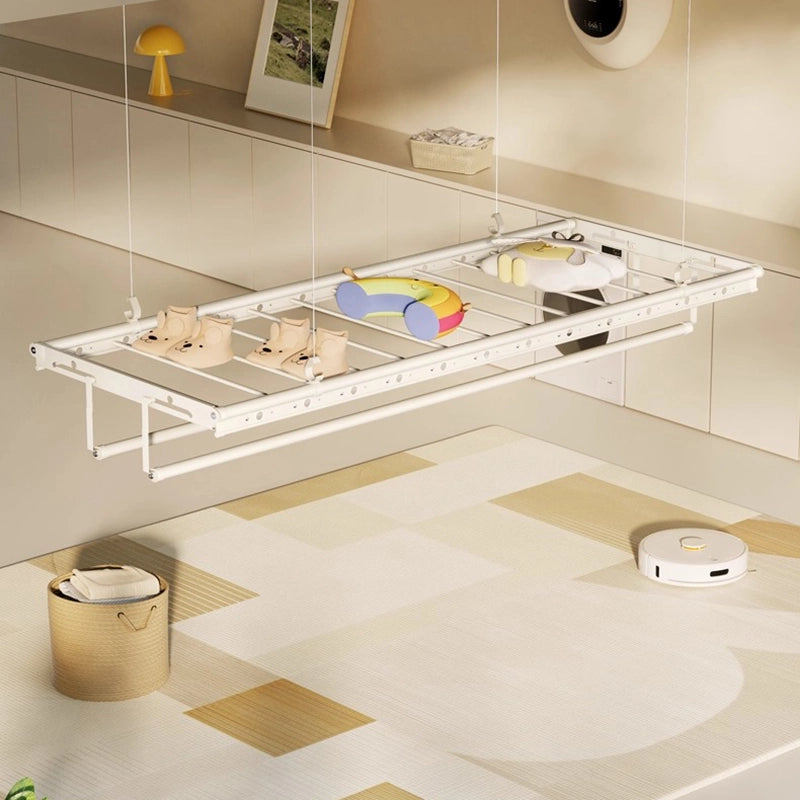
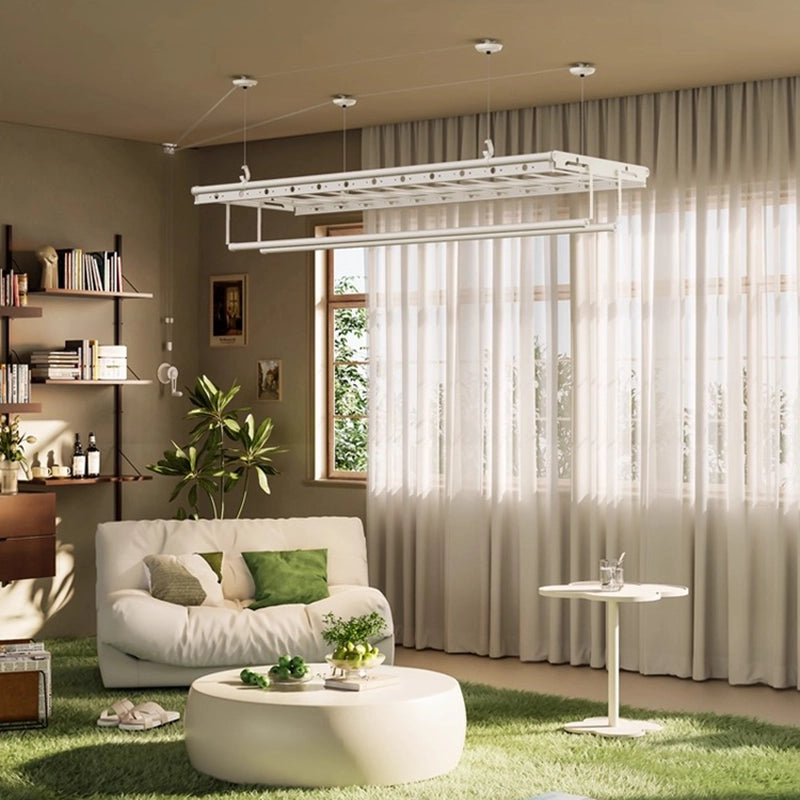
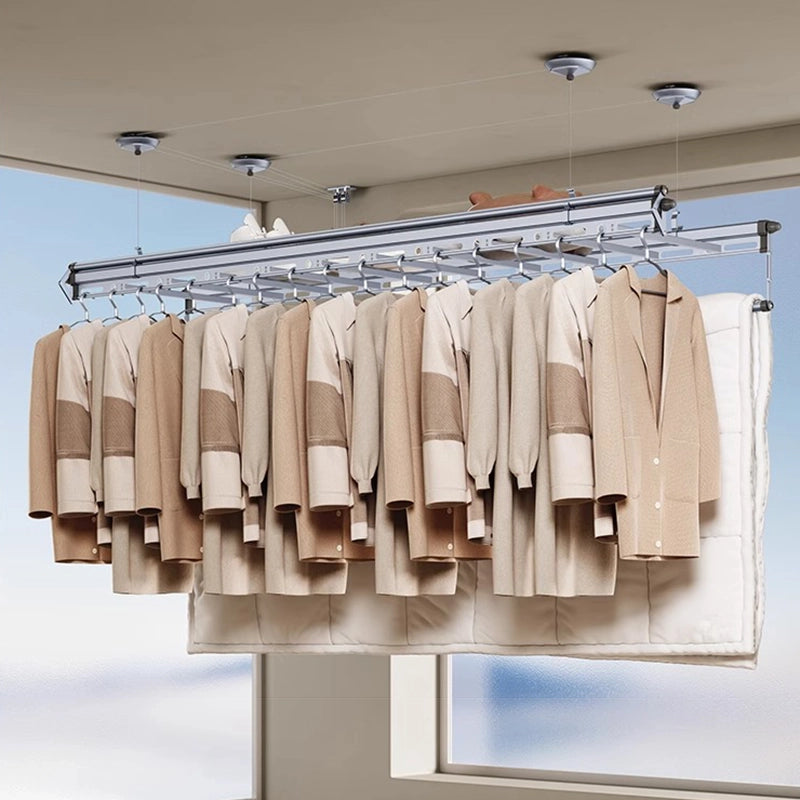
A ceiling clothes airer is useful when floor space is limited. It can work well in flats, covered balconies, utility rooms and compact laundry areas, as long as the ceiling structure and installation position are suitable.
Small Flats
Keeps laundry lifted away from living space.
Covered Balconies
Uses overhead space while keeping the floor clearer.
Utility Rooms
Creates a dedicated drying area without adding a floor-standing rack.
Laundry Corners
Helps make compact drying spaces more organised.
Real People, Real Homes
Why Choose EaseRack Ceiling Clothes Airers?
EaseRack ceiling clothes airers are designed to help you make better use of vertical space and keep floor areas clearer during everyday drying. Our ceiling-mounted drying racks offer practical options for different home layouts, with materials and features that vary by model.
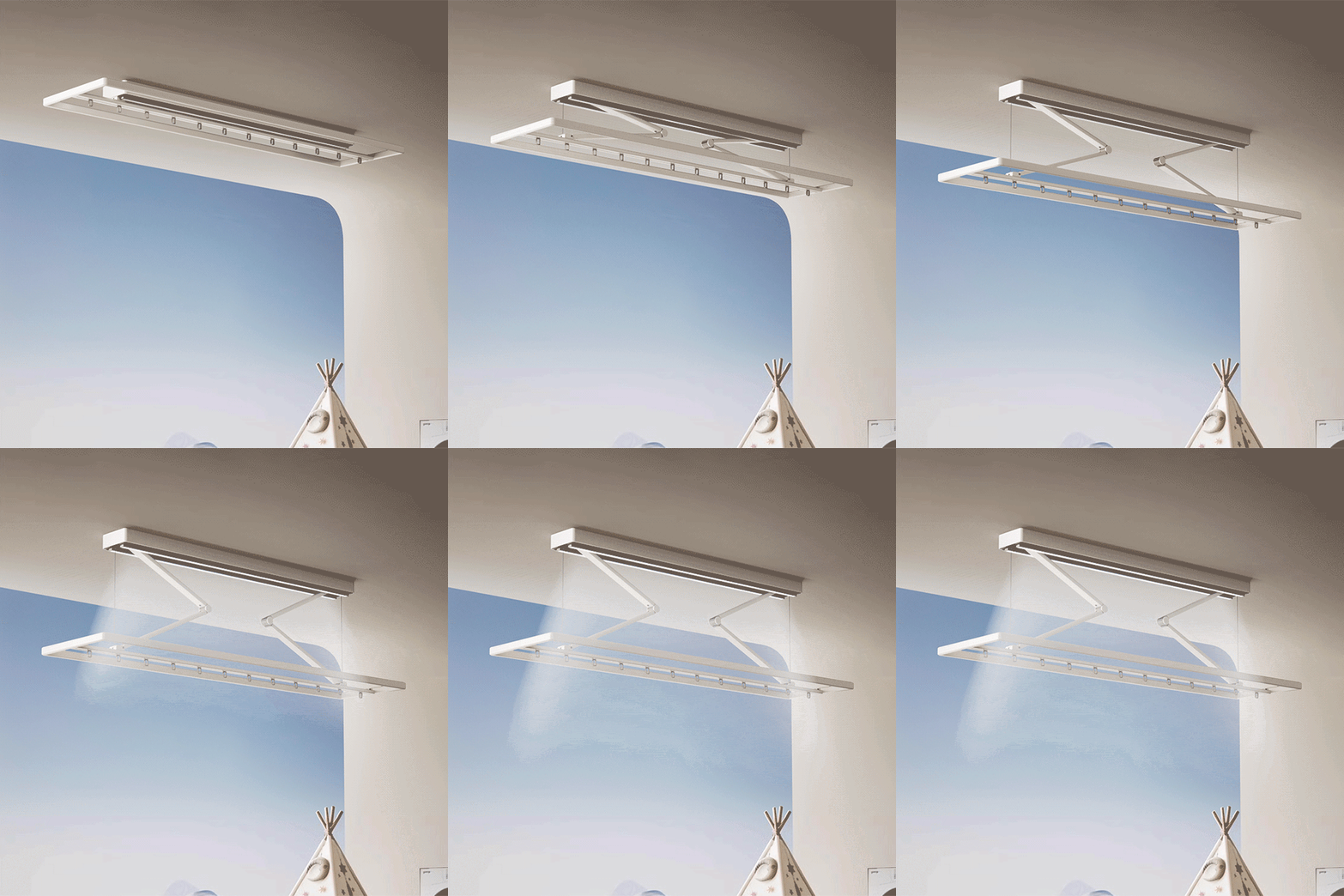
Many models use durable components and stable structures suitable for regular laundry loads (within the rated capacity). Selected designs include adjustable height or lift mechanisms, letting you lower the rack for loading and raise it to keep laundry higher and out of the way. Drying time can vary based on airflow, temperature, and humidity, but ceiling placement may help support indoor drying routines—especially in compact spaces or during colder seasons.
With a wide range of ceiling-mounted drying racks and retractable ceiling clothes racks, you can choose a style that suits your room—whether you prefer a clean modern look or a more classic setup. Options may include pulley-operated ceiling drying solutions or motorized models with remote control (available on selected models), depending on the configuration you choose.
Installation requirements depend on your ceiling type and the selected model. We provide manuals and guidance to help you plan a suitable setup, and you may choose professional installation if needed.
Air drying can also be a lower-energy alternative to tumble drying in many households, depending on how you use your appliances. Explore Ceiling Clothes Airers from EaseRack and compare features to find the model that fits your space and daily routine.
What to Check Before Installing a Ceiling Clothes Airer
Some ceilings may need additional fixing support
The airer needs enough space to lower and lift safely
Covered balconies and utility rooms are usually more suitable
Choose the model based on daily laundry volume
Manual models are simple; electric models are easier for frequent use
Avoid blocking windows, doors, lights or cabinets
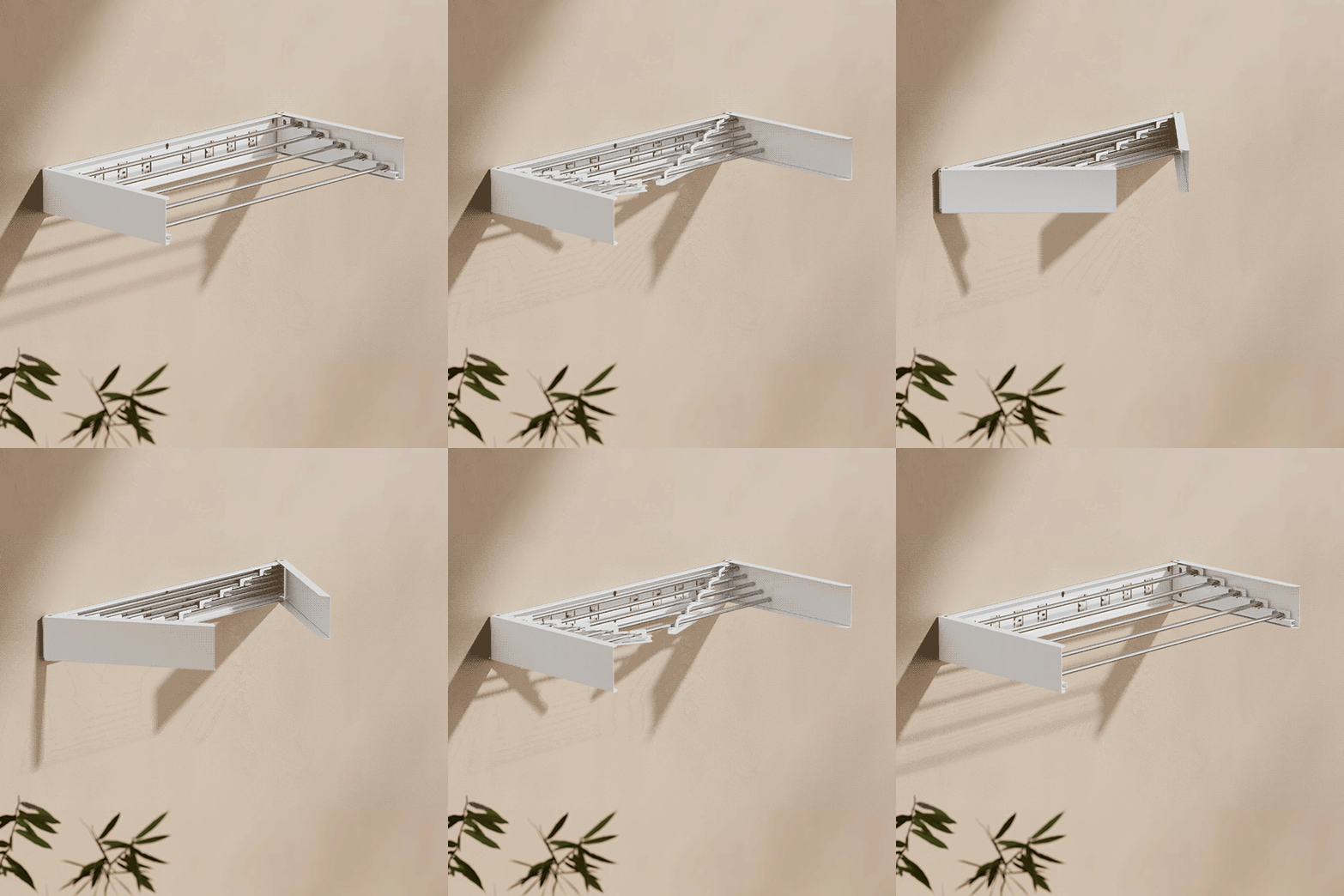
See How a Manual Ceiling Airer Works
This video shows one manual ceiling airer example. Electric and compact models may work differently, so please check each product page for details.
Frequently Asked Questions
What is a ceiling clothes airer?
A ceiling clothes airer is a drying rack installed above the floor, usually on a ceiling or overhead structure. It helps use vertical space for drying laundry, making it a practical option for flats, balconies, utility rooms and compact homes.
Is a ceiling clothes airer suitable for a small flat?
Yes. A ceiling clothes airer can be a good choice for a small flat because it keeps laundry lifted away from the floor. This helps reduce clutter in living areas, narrow balconies and compact laundry spaces.
What is the difference between a manual and electric ceiling clothes airer?
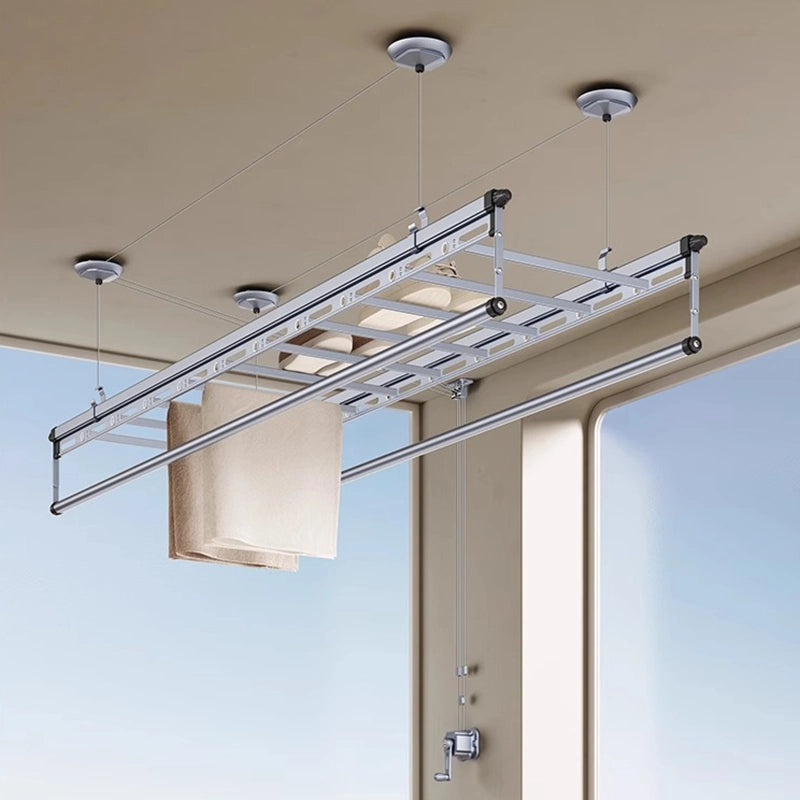
A manual ceiling clothes airer is raised and lowered by hand, pulley or crank operation. An electric ceiling clothes airer uses powered lifting, which can make daily use easier, especially for frequent laundry routines or higher installation positions.
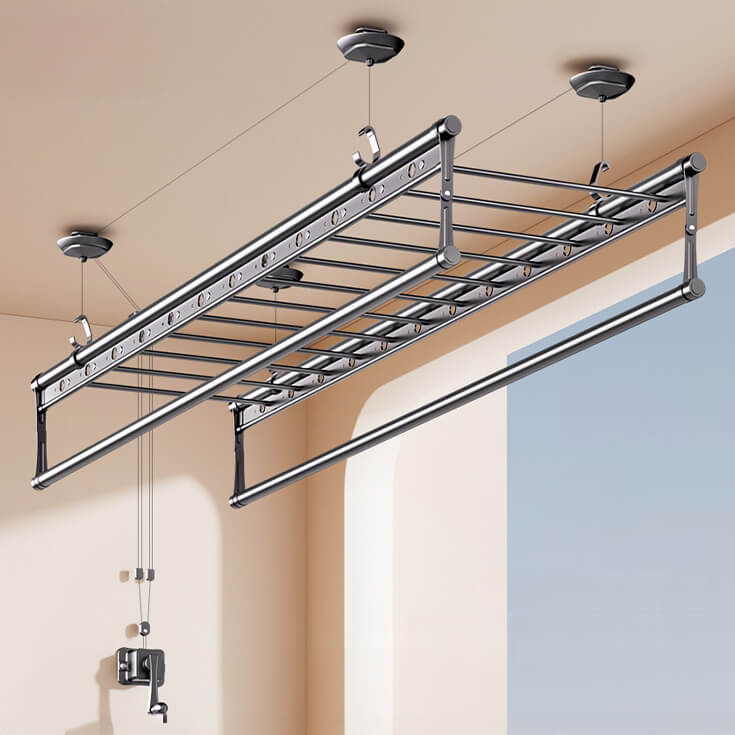
What is a pulley clothes airer?
A pulley clothes airer uses a pulley or hand-crank system to lower the drying rods for loading laundry and raise them again for drying. It is useful when you want a ceiling-mounted drying solution without relying on electricity.
Can I install a ceiling clothes airer on a balcony?
A ceiling clothes airer can be suitable for a covered balcony if the ceiling structure is strong enough and the installation position is protected from direct rain. Always check the ceiling type, mounting surface and fixing requirements before installation.
How much weight can a ceiling clothes airer hold?
Load capacity varies by model, size and installation method. Please check the rated load on each EaseRack product page and follow the installation manual carefully. The airer should always be installed correctly and used within the specified limits.
Which EaseRack ceiling airer should I choose?
Choose a manual or pulley-operated ceiling airer if you prefer a simple non-electric option. Choose an electric ceiling airer if you want powered lifting and easier daily operation. For small flats or narrow balconies, compare compact models before deciding.
Let customers speak for us
The white color looks great and goes well with different interiors. The adjustable length makes it easy to hang bedding.

The clothes rod is of great quality. I bought it for my mom, and she is very satisfied, saying it’s excellent.

The clothes rod is of very good quality and looks great. The 2-meter length is just right for drying clothes at home, very suitable.
It looks great and the quality is great.

The shipping was fast and packaging was well done. The product arrived just as expected.

Nicely made, with a good weight and feel. No complaints.
The folding clothes hanger feels solid and well-made. It fits nicely on the side of the balcony and is perfect for drying baby towels and blankets.

Very practical, especially in summer. It easily handles laundry for both kids and makes drying more efficient.

Looks quite sturdy, has two special rods for drying duvet covers, very practical, and the hand crank is very smooth to use.
Not disappointed, the quality is very good, much prettier than before! Worth recommending.
Compared many options before choosing this one. It costs a bit more, but the quality matches the price.
The clothes rack is good value for money, worth buying, very useful, and much more convenient than the fixed rods.
Finally replaced with this satisfactory clothes rack, looks elegant, very convenient to use, and the long rod makes drying quilts very easy!
Really love it, the quality is excellent, exactly as described by the seller!
