



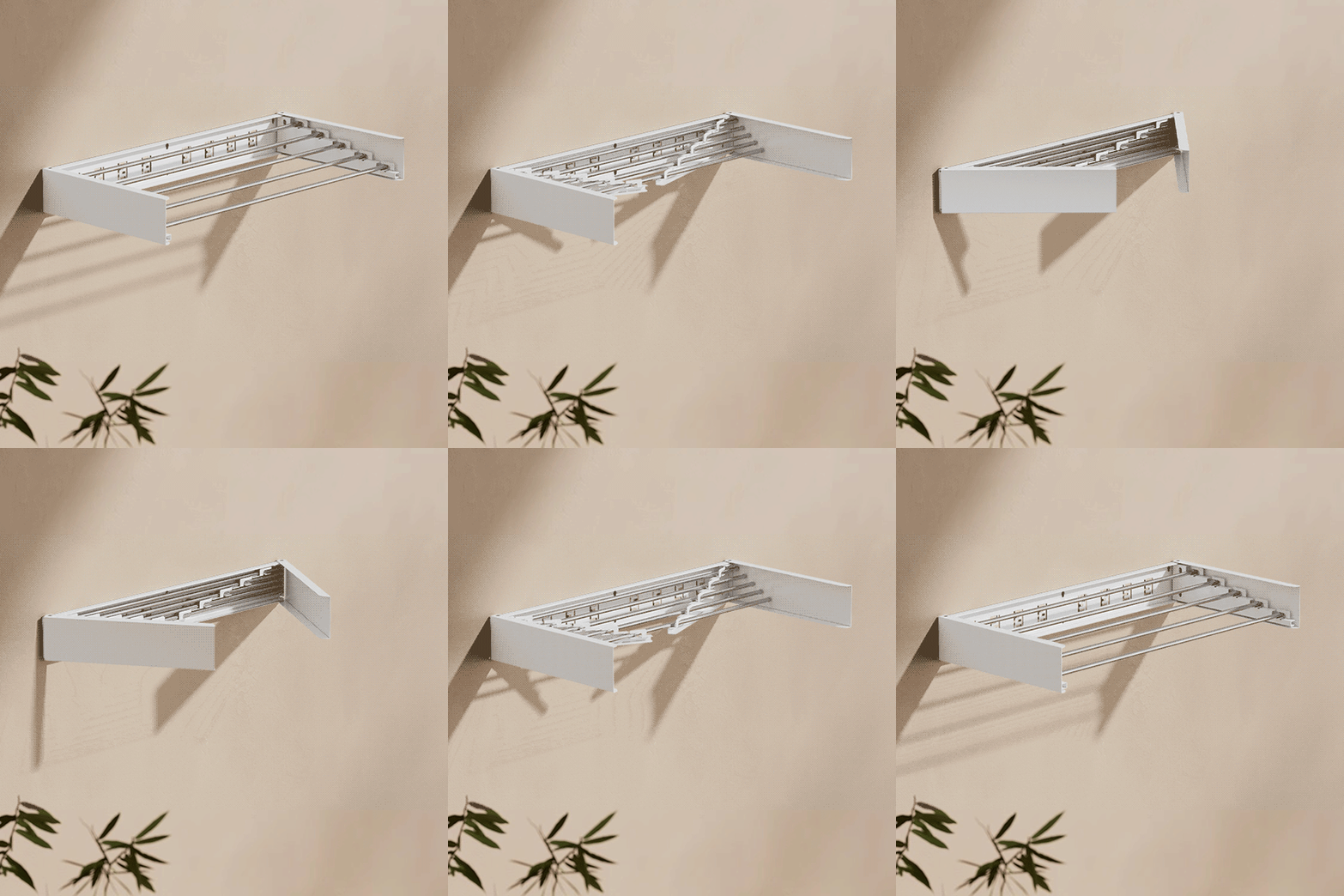
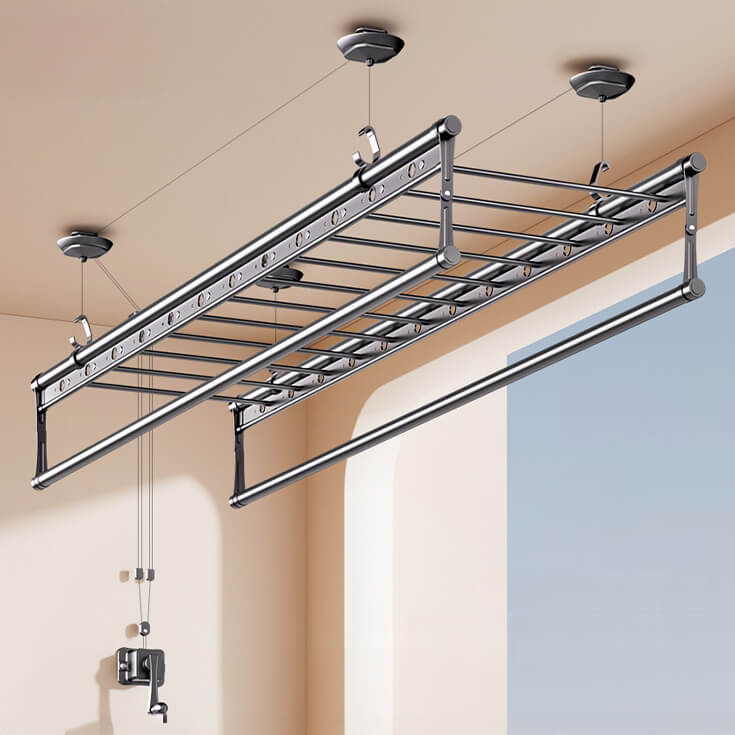
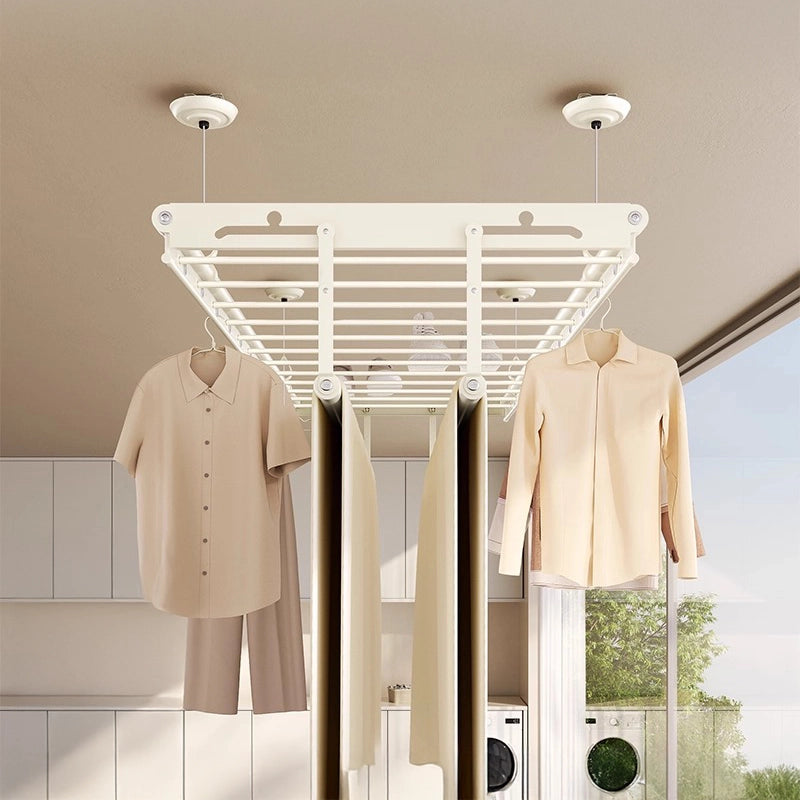
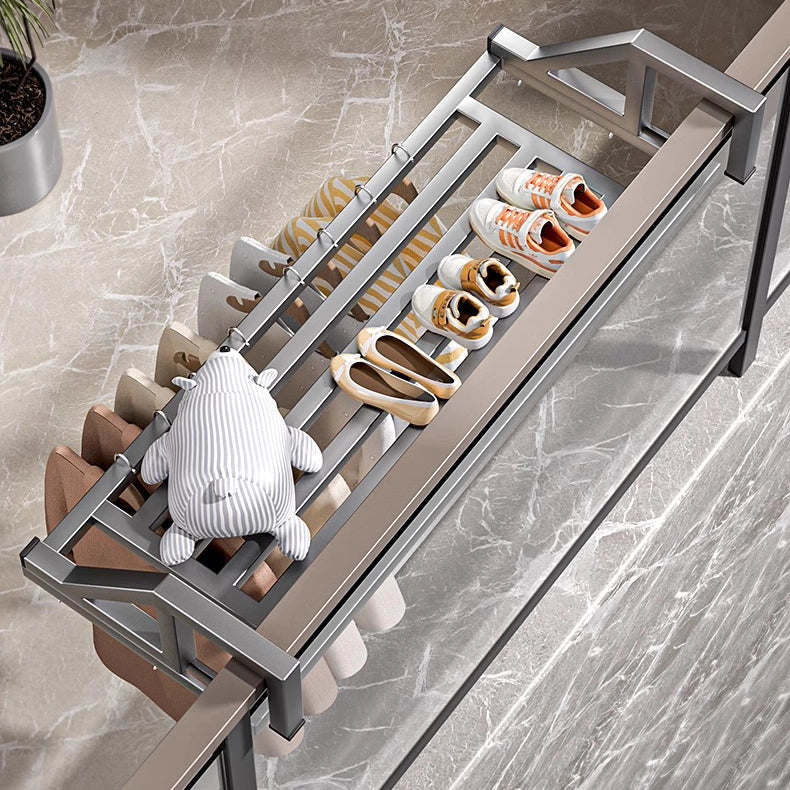
A floor airer is simple, familiar and easy to set up. The problem is what happens once it is open. In a small flat, utility room, bedroom or narrow laundry area, a folding rack can quickly block the route through the room.
That is why many small-home users compare a ceiling airer vs floor airer before choosing a new indoor clothes airer. The real question is not only where clothes will dry, but how much usable space the airer takes away while laundry is hanging.
A ceiling airer can help move laundry above the floor where suitable, while a floor airer remains useful for renters, occasional drying and homes where fixed installation is not possible. The better choice depends on your space, drying routine, installation options, storage needs and how often you dry clothes indoors. No single option is right for every home.
Choose a ceiling airer if floor space is limited, you dry laundry indoors regularly and suitable installation is possible. Choose a floor airer if you rent, cannot drill, need portability or only dry laundry occasionally. The right choice depends on your room layout, ceiling restrictions, drying routine and movement path.
What Is a Ceiling Airer?
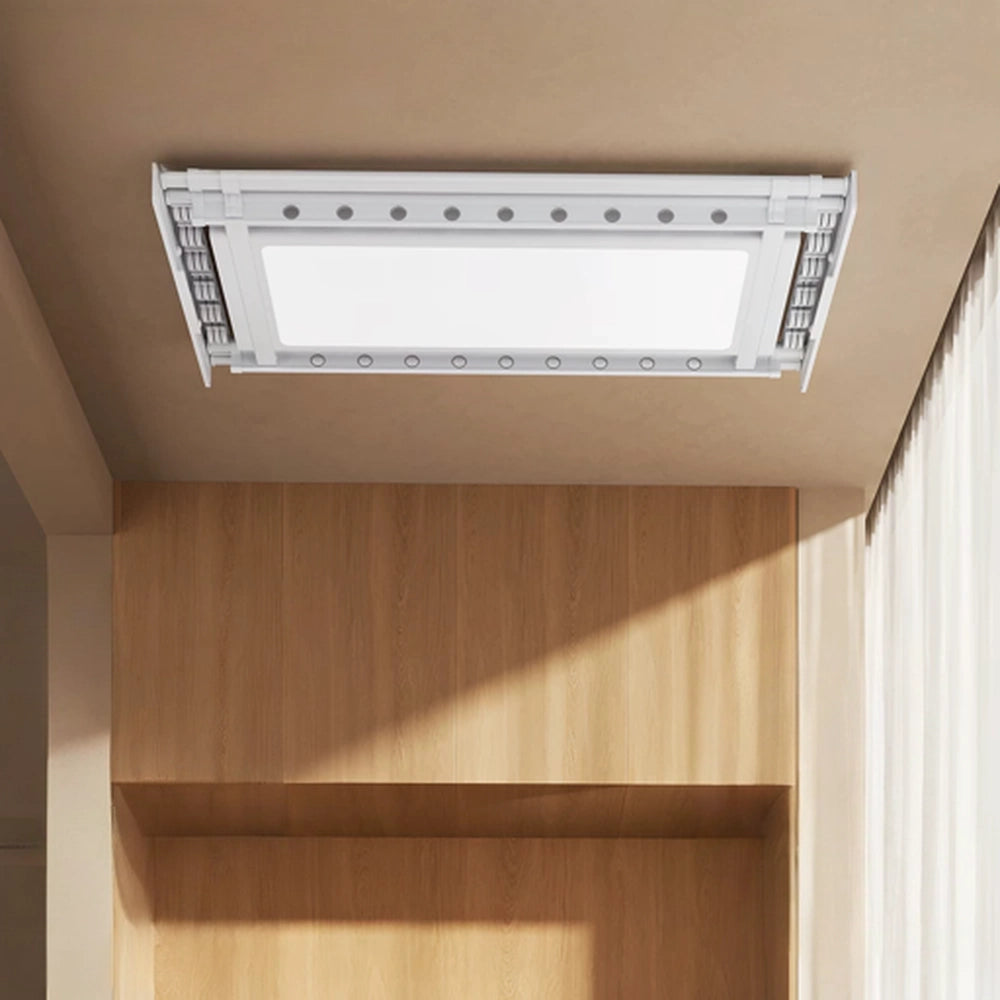
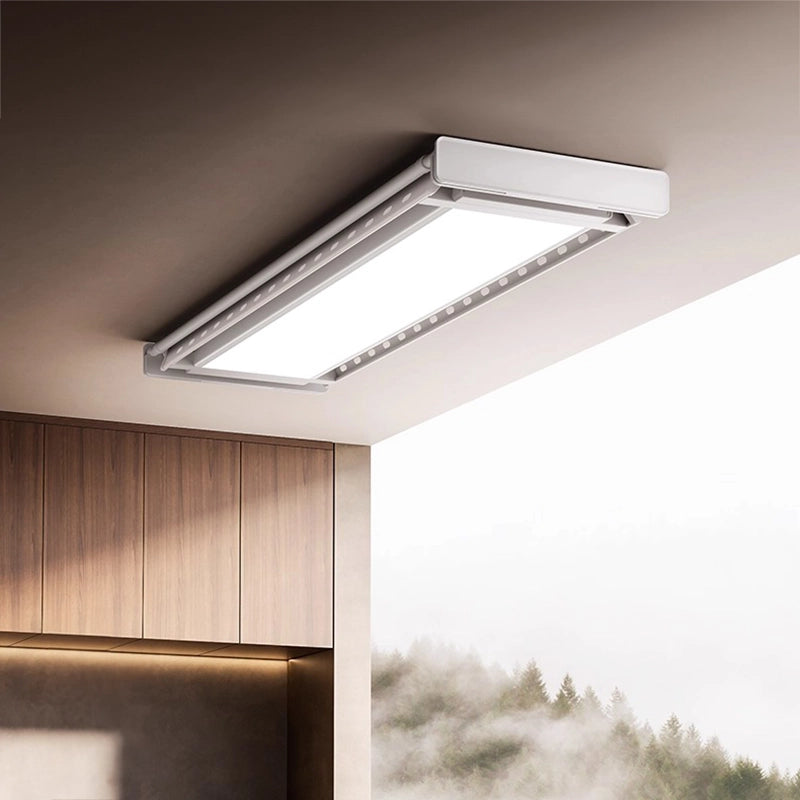
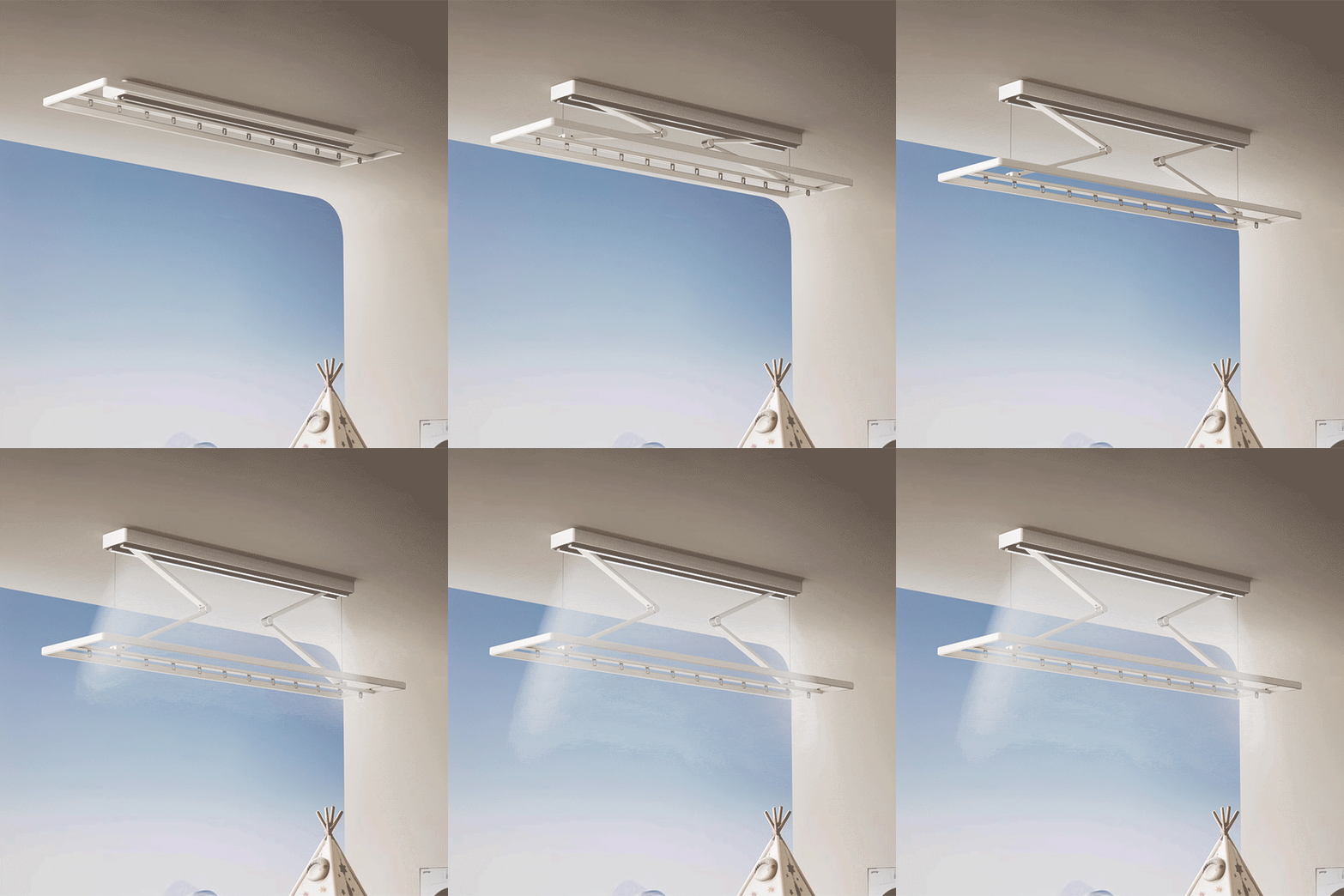
A ceiling airer is a clothes airer fitted above the floor. Depending on the model, it may use a pulley, hand crank, manual winch or electric lifting system. The purpose is to let you load laundry at a reachable height, then raise it above the main floor area while it dries.
This can be useful in small flats, utility rooms, laundry corners and some covered balcony settings where the ceiling structure and clearance are suitable. Instead of leaving a rack standing in the room, a ceiling clothes airer uses overhead space that might otherwise be unused.
Keep this decision practical. Ceiling type, fixing points, anchors, lowered height, raised position and correct installation all matter. If the ceiling structure is unclear, ask a qualified installer before fitting fixed hardware.
If you are comparing overhead drying options, you can also browse EaseRack ceiling clothes airers for different small-home layouts.
What Is a Floor Airer?
A floor airer is a freestanding clothes airer placed on the floor. It usually folds open when needed and folds away for storage after use. It needs no drilling, no fixed installation and no ceiling checks.
That makes a floor clothes airer a practical choice for renters, temporary drying, occasional laundry and homes where permanent fittings are not allowed. It can also be moved between rooms depending on light, heating, airflow and household routine.
The main limitation is the open footprint. A floor airer may store neatly when folded, but while laundry is drying it can take up the exact floor space you need for walking, opening cupboards, using the washing machine or reaching a balcony door.
Ceiling Airer vs Floor Airer: Main Differences
The main difference between a ceiling clothes airer vs floor airer is how each one affects the room while laundry is drying. This table gives a quick overview before we look more closely at space, daily use and indoor drying.
| Feature | Ceiling airer | Floor airer | What it means |
|---|---|---|---|
| Open footprint | Uses overhead space and may keep the floor clearer | Needs floor space while laundry is hanging | This is often the biggest difference in small flats and utility rooms. |
| Installation | Needs suitable ceiling structure and correct fitting | Needs no fixed installation | A floor airer is simpler if drilling is not possible. |
| Portability | Fixed in one drying position | Can be moved between rooms | A floor airer offers more flexibility. |
| Storage | Usually stores raised near the ceiling | Folds away but needs storage space | Check both the drying position and the stored position. |
| Rental homes | May need landlord or building permission | Often easier because it needs no drilling | Renters should check permission before installing fixed hardware. |
| Daily use | Creates a fixed drying zone | Can be placed where needed | The easier option depends on your routine and room layout. |
Which Clothes Airer Saves More Space?
If your main problem is floor space, a ceiling airer often has the advantage. It moves laundry above the floor and can help keep a small flat, utility room or laundry corner easier to move around. This matters when a floor airer blocks the living room, bedroom, washing machine door or cupboard access.
For anyone choosing a clothes airer for small flats, the most important question is not only whether the airer stores away, but whether it lets the room stay usable while laundry is drying.
A simple way to compare them is to look at the room during drying, not after drying. A floor airer may look compact when folded, but the important measurement is the space it uses for several hours while clothes are wet and hanging.
A floor airer saves space when it is folded away. While it is open, it needs a clear footprint, plus extra room around it for hanging clothes. In a narrow room, that can make normal movement awkward until the laundry is dry.
The stored position matters too. A floor airer needs somewhere to live when folded. If it ends up leaning in a hallway or behind a door that you use often, it may still feel like clutter. A ceiling airer usually stores above the room, but only if the raised position leaves enough headroom and does not interfere with lighting, doors or daily access.
A ceiling airer is not automatically the best clothes airer for small spaces. It needs suitable ceiling height, safe fixing points and enough clearance when lowered and raised. If the airer would hang too low or sit in an awkward position, a floor airer may be more practical.
Which Is Easier to Use Every Day?
A floor airer is easy to understand. You unfold it, place it where you want, hang the laundry and move it later if needed. There is no installation and no fixed position, which can be useful if you dry clothes in different rooms at different times.
The drawback is that moving a loaded floor airer can be awkward. Wet laundry is heavier than dry clothing, and a full rack may need to be shifted around furniture, doors or people using the room.
A ceiling airer creates a fixed drying zone. Once installed in a suitable position, it can be lowered for loading and raised afterwards, depending on the lifting system. This may feel more convenient for regular indoor drying because the airer always has a set place.
Ease of use depends on the home and the person using it. Think about body height, room height, control position, laundry load and drying frequency. A ceiling airer is not always easier if the controls are hard to reach or the lowered position interrupts daily movement.
Which Works Better for Indoor Drying Space?
Neither a ceiling airer nor a floor airer dries clothes well without enough airflow and spacing. The airer helps organise laundry, but it does not remove moisture from the room by itself.
The best position is usually the one that gives clothes space around them without forcing the airer into the busiest part of the room.
A ceiling airer may help keep the room tidier by lifting laundry away from the main floor area. This can be useful in a utility room or compact laundry space where the loaded airer does not block doors, cupboards or the route through the room.
A floor airer can also work well indoors if it is placed in a ventilated area with enough space around the clothes. It may be easier to move near a window, extractor fan or warmer room, depending on your home.
Drying performance may vary depending on airflow, humidity, temperature, fabric type, fabric thickness and laundry spacing. Avoid crowding garments tightly together on either type of airer.
For more detail on airflow, condensation and drying routines, read our guide on how to dry clothes indoors without a tumble dryer.
When to Choose a Ceiling Airer or Floor Airer
Choose a Ceiling Airer If...
A ceiling airer may be the better fit if floor space is limited and your home has a suitable installation area. It is worth considering when indoor drying is part of your normal weekly routine, rather than something you do only once in a while.
- You dry clothes indoors regularly.
- Your floor airer often blocks the living room, bedroom or utility room.
- You have a suitable ceiling or installation area.
- You want a fixed drying zone.
- You use a utility room, laundry corner or covered balcony for drying.
- You want to keep the main floor area clearer while laundry dries.
For fixed ceiling models, load capacity and safe use depend on correct installation, suitable anchors, the mounting surface and even weight distribution. Always check product instructions and installation conditions before use.
Choose a Floor Airer If...
A floor airer is still a sensible choice in many homes. It is simple, portable and does not require changes to the ceiling or walls. For renters, students, short-term homes or occasional drying, that can matter more than saving every bit of floor space.
- You rent and cannot drill or install fixed hardware.
- You only dry laundry indoors occasionally.
- You need to move the airer between rooms.
- You want to dry clothes in different rooms depending on light, warmth or airflow.
- Your ceiling structure is not suitable or is unclear.
- You want a temporary option.
- You have enough floor space when the airer is open.
The main thing is to be honest about the open footprint. If the floor airer blocks the same walkway every time you use it, another drying setup may be worth considering.
Before You Choose: Quick Checklist
Look at the space while laundry is actually drying, not only when the airer is empty or stored away. The right indoor clothes airer is the one that fits your daily routine without blocking the room.
- Do you have enough floor space when laundry is drying?
- Will a floor airer block doors, cupboards, appliances or walkways?
- Is the ceiling suitable for fixed installation?
- Are you allowed to drill in your home or building?
- Do you dry clothes indoors regularly?
- Do you need to move the airer between rooms?
- Can clothes hang with enough spacing?
- Is there ventilation around the drying area?
- Will the airer be easy to reach and use?
- Do you need a permanent drying zone or a temporary one?
Compare EaseRack ceiling clothes airers and drying racks for small spaces, or use our selector to find the right clothes airer for your home.
FAQ: Ceiling Airer vs Floor Airer
Should I Choose a Ceiling Airer or Floor Airer?
Choose a ceiling airer if floor space is limited, you dry indoors regularly and suitable installation is possible. Choose a floor airer if you rent, need portability, cannot drill or only dry laundry occasionally.
Is a Ceiling Airer Good for a Small Flat?
Yes, a ceiling airer can be useful in a small flat if the ceiling structure, fixing points, clearance and installation conditions are suitable. It can help keep laundry away from the main floor area.
Does a Ceiling Airer Dry Clothes Faster Than a Floor Airer?
Not automatically. Drying speed depends on airflow, humidity, temperature, fabric type, fabric thickness and spacing between garments. A ceiling airer mainly helps with space use and laundry organisation.
Is a Floor Airer Better for Renters?
Often, yes. A floor airer needs no drilling and can be moved or stored without permanent installation. The trade-off is that it takes up floor space while open.
Can I Use a Ceiling Airer Without a Tumble Dryer?
Yes, a ceiling airer can be part of an indoor drying routine without a tumble dryer. Ventilation, garment spacing and room conditions still matter, so avoid overcrowding the airer.
What Is the Best Clothes Airer for Small Spaces?
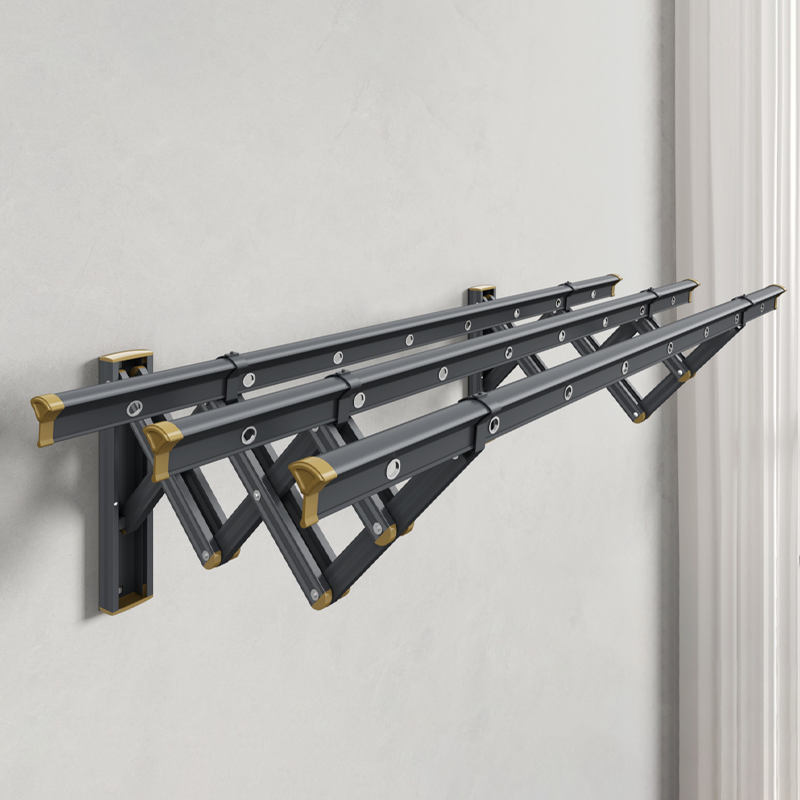
It depends on the home. Ceiling airers can suit overhead space, floor airers can suit renters or temporary drying, and a wall-mounted clothes airer may be worth considering if both ceiling and floor options are unsuitable.
Conclusion
There is no single winner in the ceiling airer vs floor airer decision. A floor airer is simple, portable and often better for renters, occasional drying or homes where drilling is not allowed. It is also easy to store when folded, as long as you have enough floor space while it is open.
A ceiling airer needs suitable installation, but it can be a better fit for small flats, utility rooms and laundry corners where floor space is limited. If you dry clothes indoors regularly and want a fixed drying zone, it may help keep the room easier to use.
Choose based on your space, permission to install, drying frequency, ventilation and daily movement. If floor space is the main problem, compare EaseRack ceiling clothes airers and drying racks for small spaces to see which setup fits your home best.

