

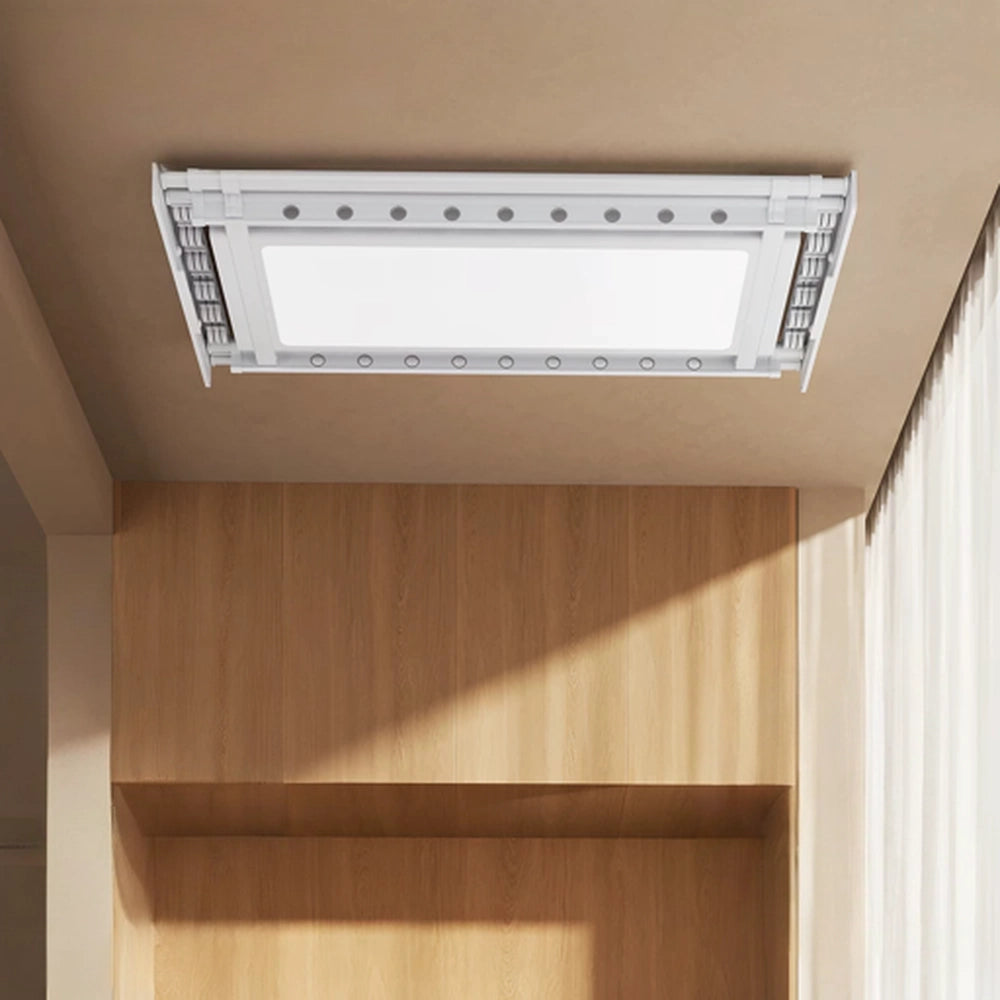
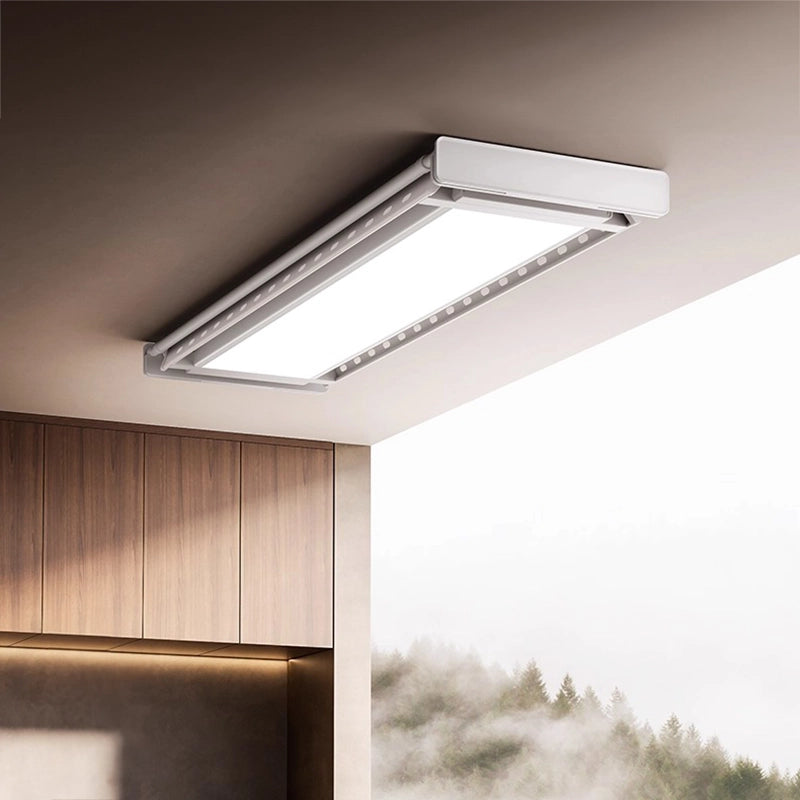

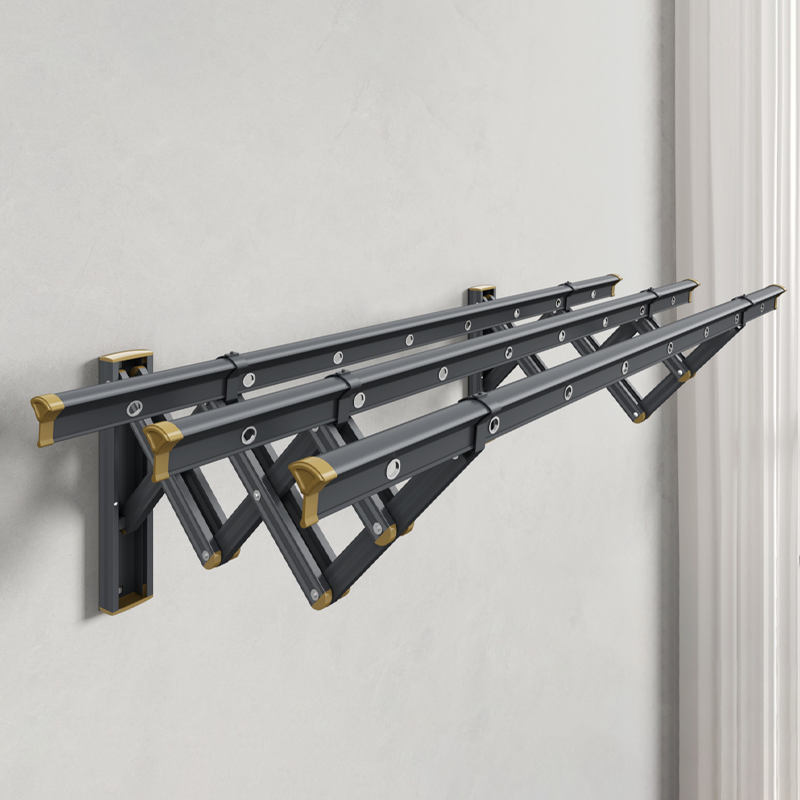

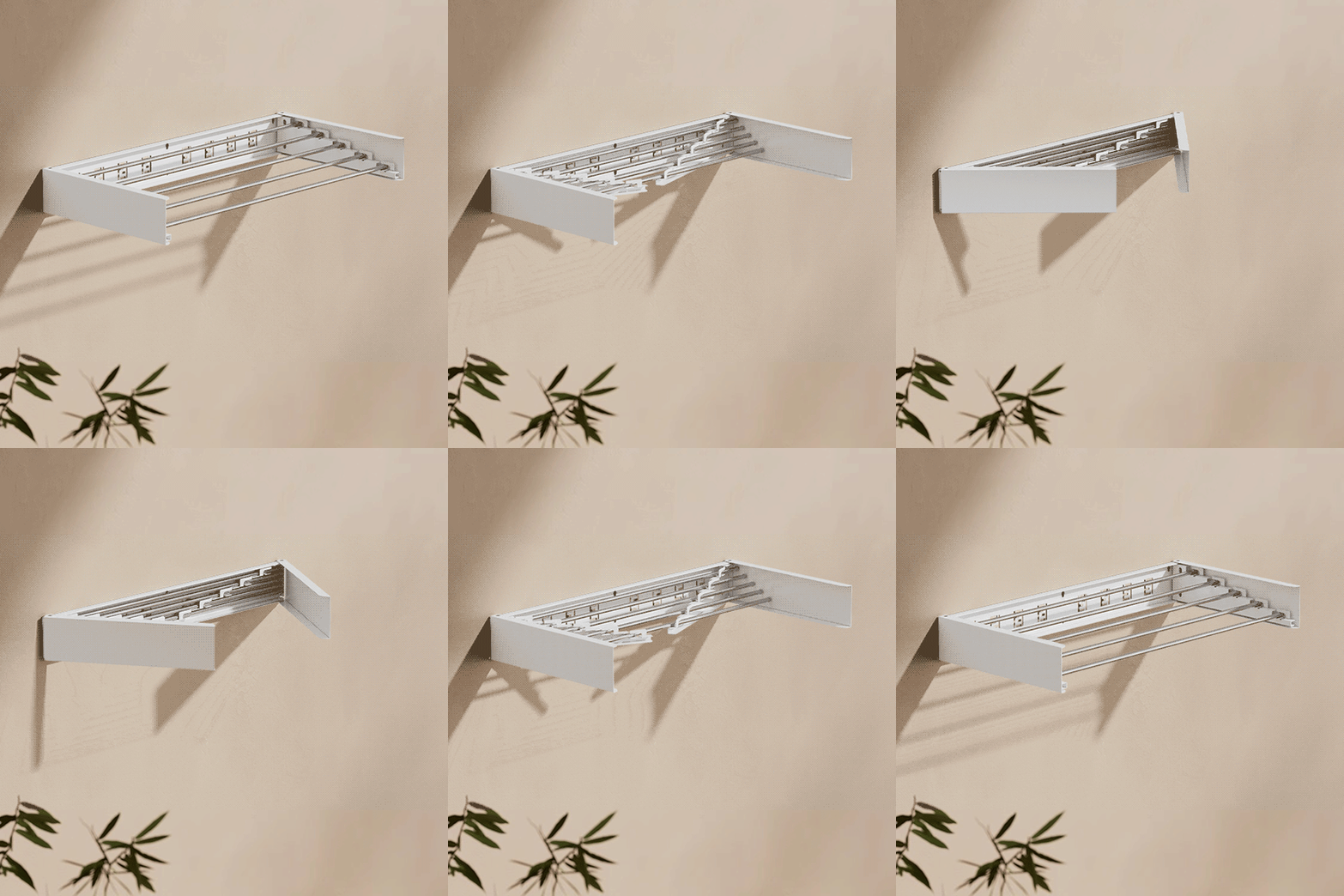
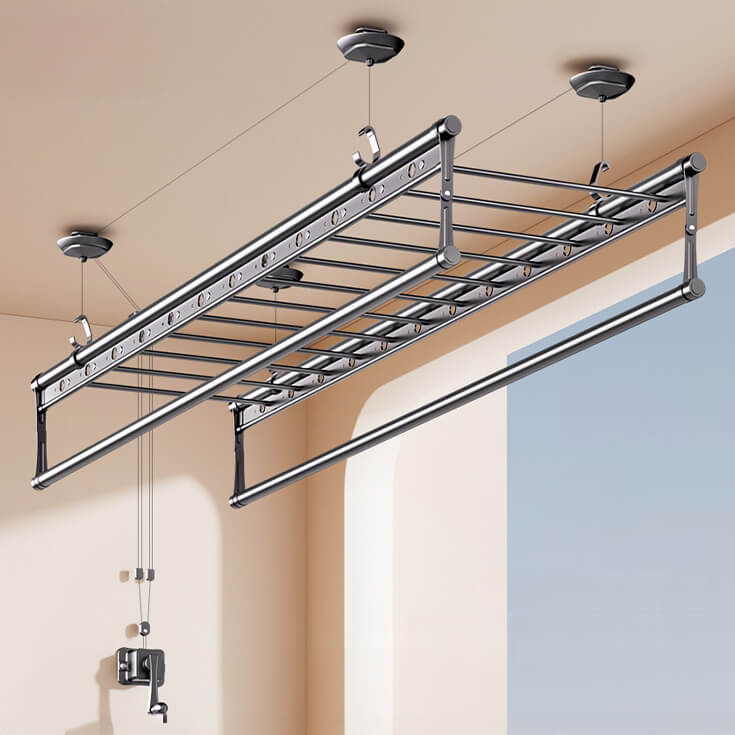
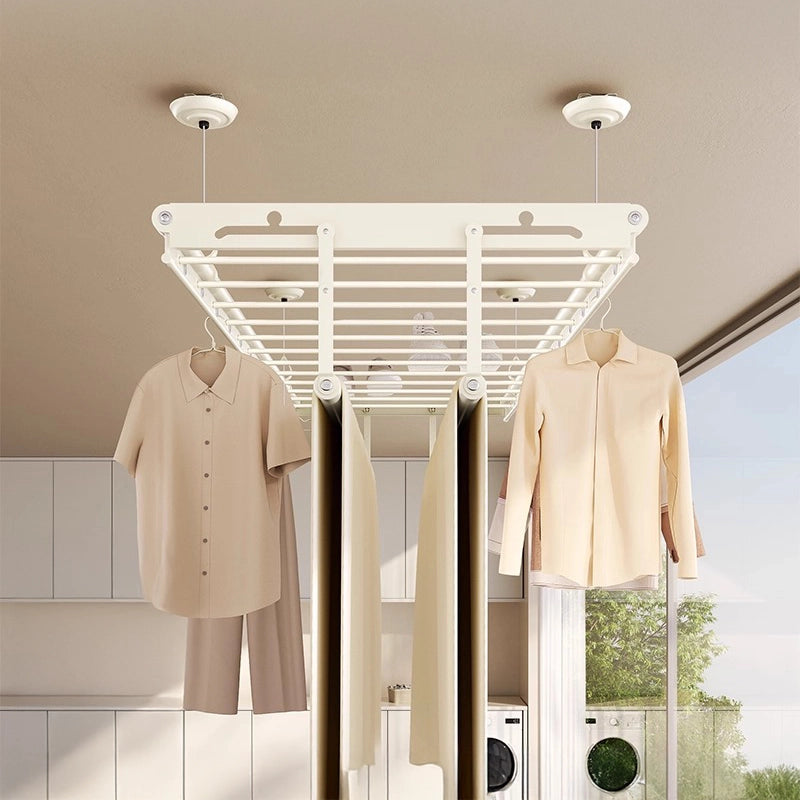
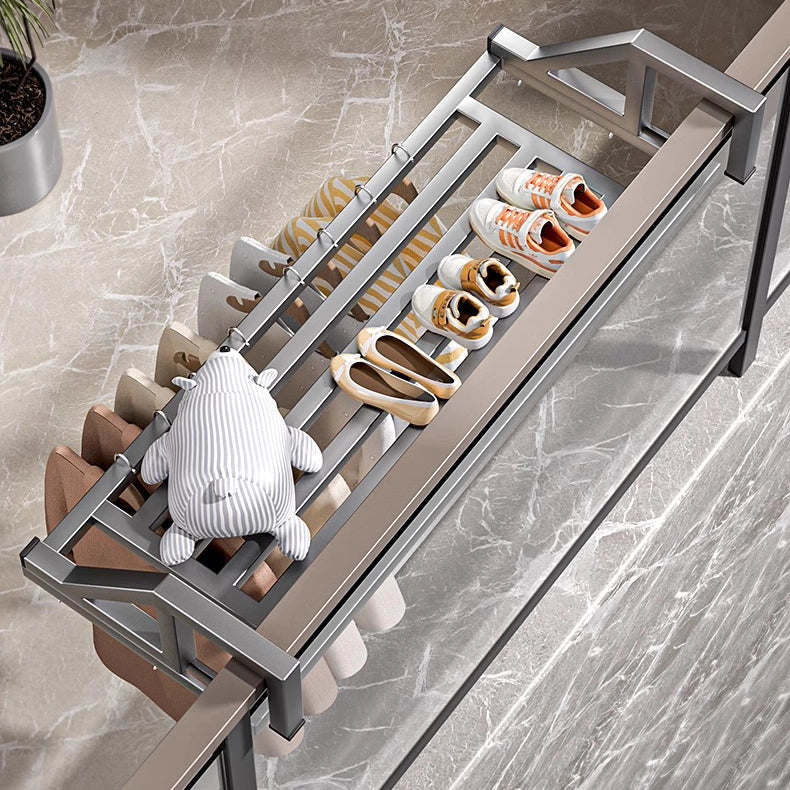
Quel étendoir de plafond convient à votre espace ?
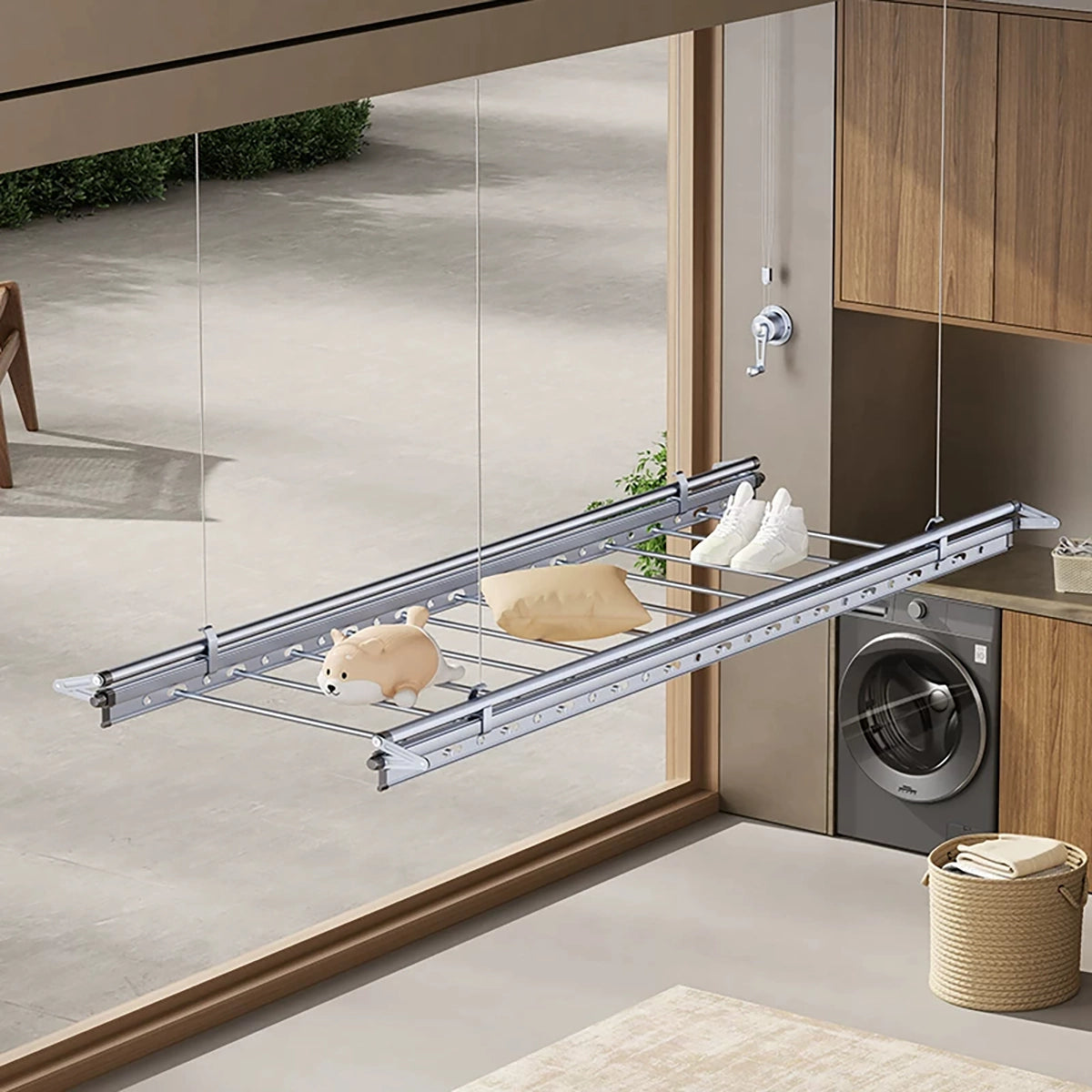
Ce tableau compare un modèle manuel à treuil, un modèle à manivelle et un modèle électrique selon leur mode de fonctionnement, la quantité de linge et l’espace d’installation.
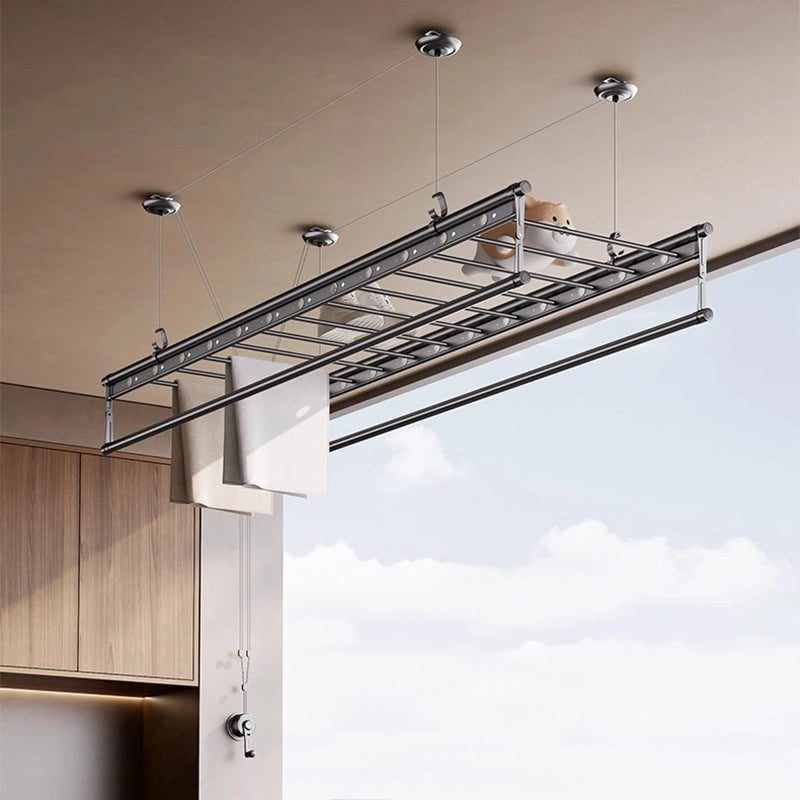
Étendoir à linge de plafond multibarres | 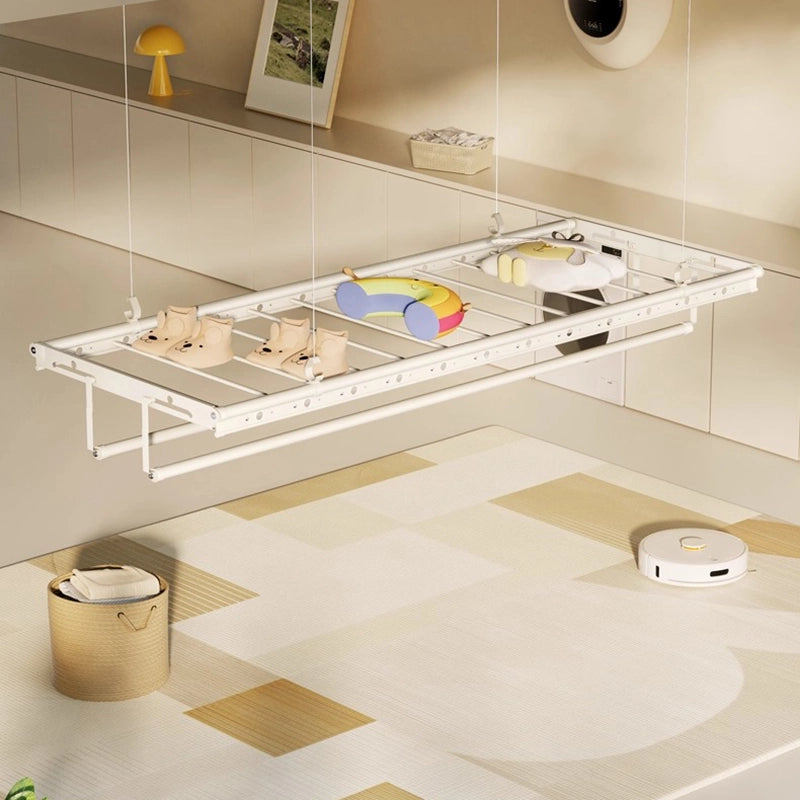
Étendoir à linge de plafond extra-large | 
Étendoir à linge de plafond électrique V6 | |
|---|---|---|---|
| Convient pour | Le séchage quotidien sans électricité | Le séchage régulier de plus grandes quantités de linge | Une utilisation fréquente |
| Fonctionnement | Treuil manuel avec système de poulies | Treuil manuel avec système de poulies | Levage motorisé |
| Espaces adaptés | Appartements et buanderies | Balcons couverts et buanderies | Appartements, buanderies et balcons couverts |
Comparez les différents types d’étendoirs de plafond
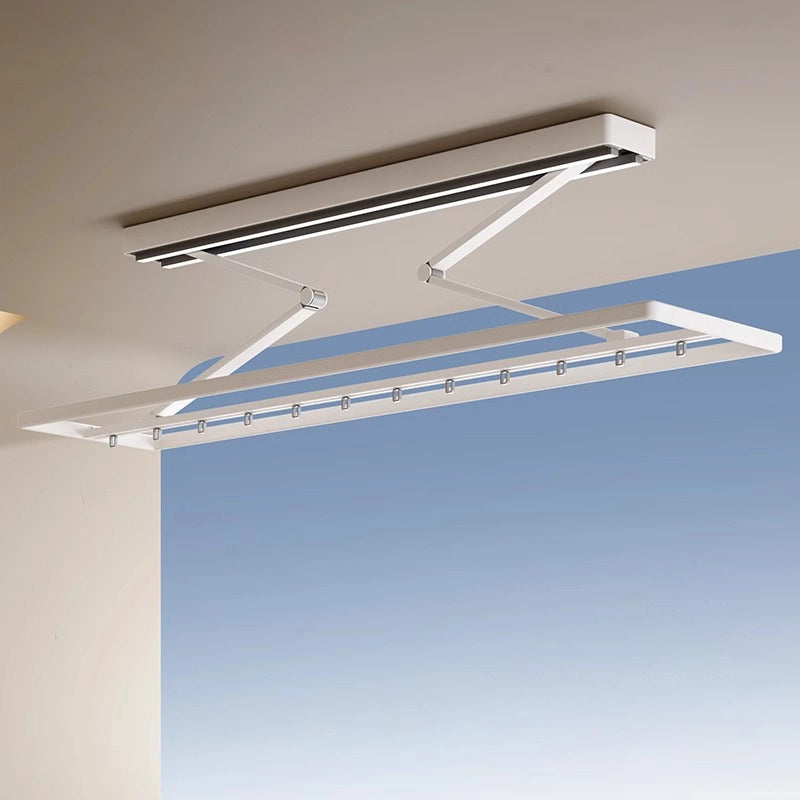
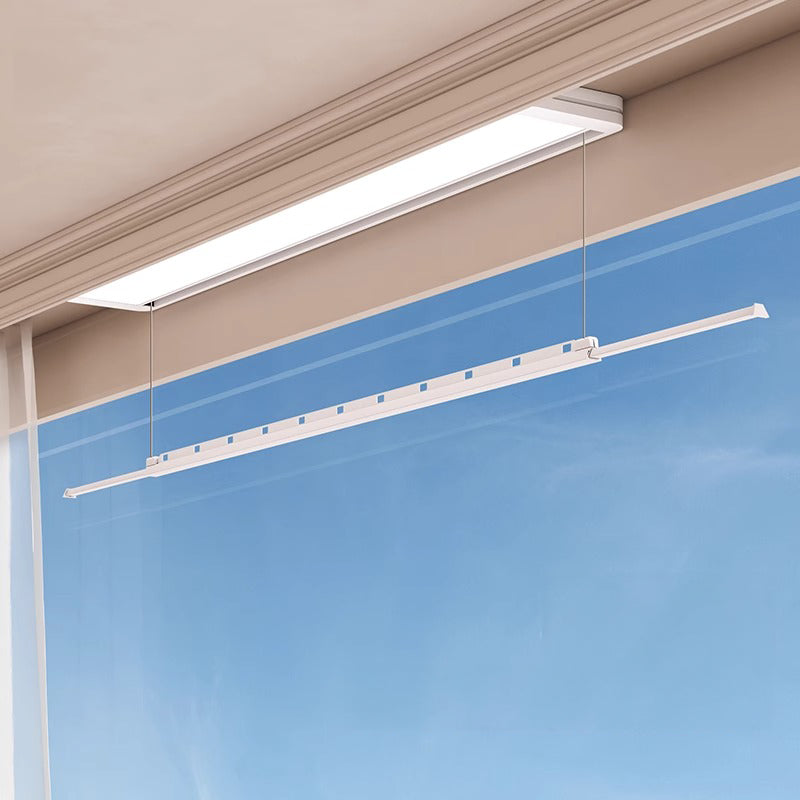
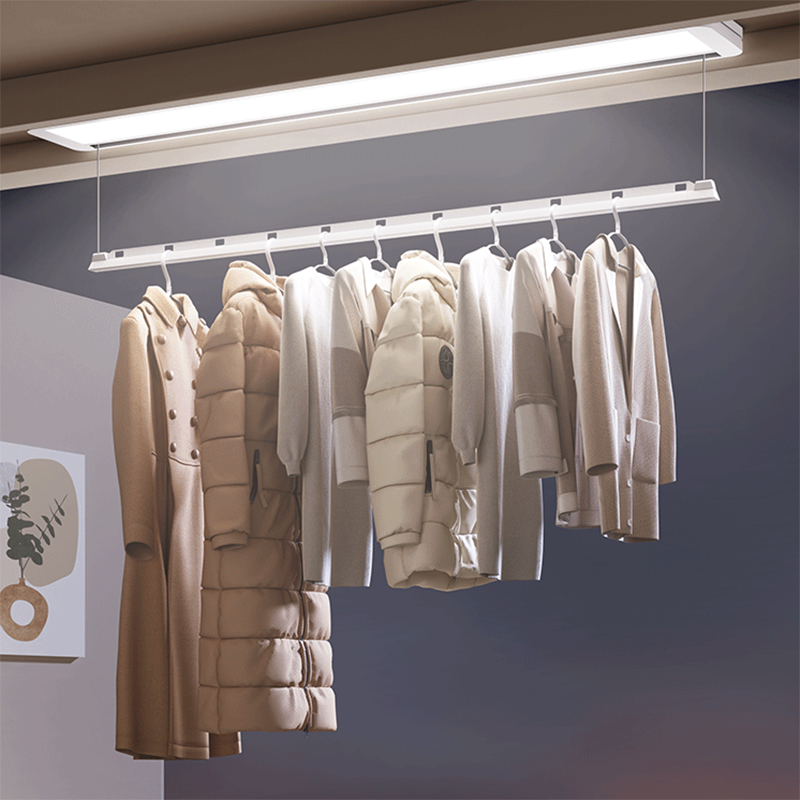
Les étendoirs à linge de plafond EaseRack aident à laisser davantage de place au sol et à mieux organiser le séchage du linge à l’intérieur. La collection comprend des modèles manuels à treuil ou à manivelle, ainsi que des modèles électriques pouvant convenir aux appartements, aux buanderies et à certains balcons couverts.
Découvrez nos étendoirs de plafond manuels si vous préférez une solution sans électricité, ou comparez les modèles électriques si vous recherchez un système de levage motorisé. Vous pouvez également comparer les modèles EaseRack avant de choisir.
Besoin de plus d’informations ? Découvrez comment fonctionne un étendoir de plafond, comparez les modèles manuels et électriques ou consultez notre guide sur les étendoirs à poulies.
Filtres
9 produits
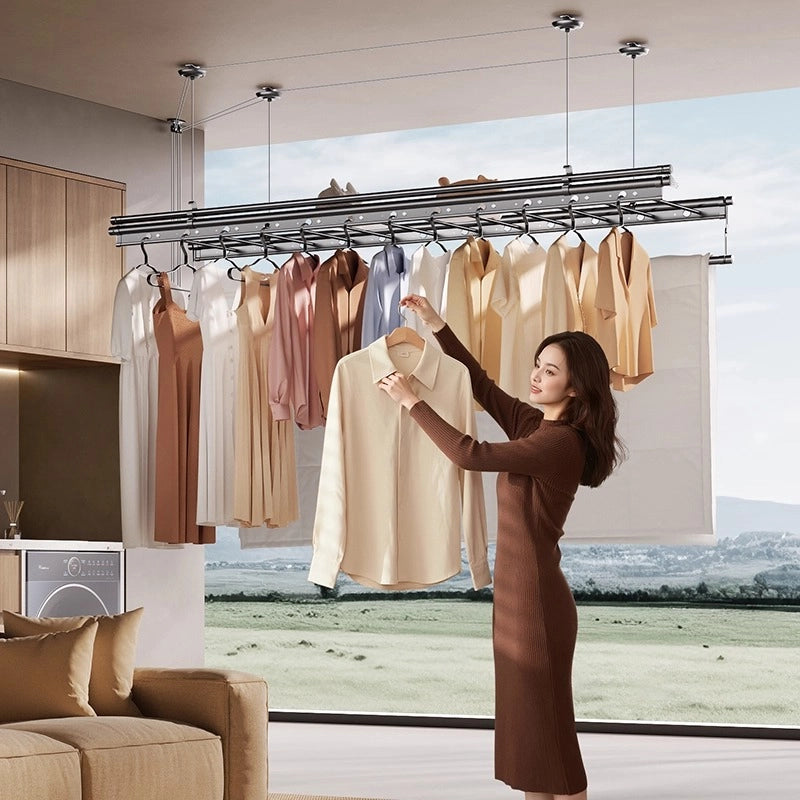
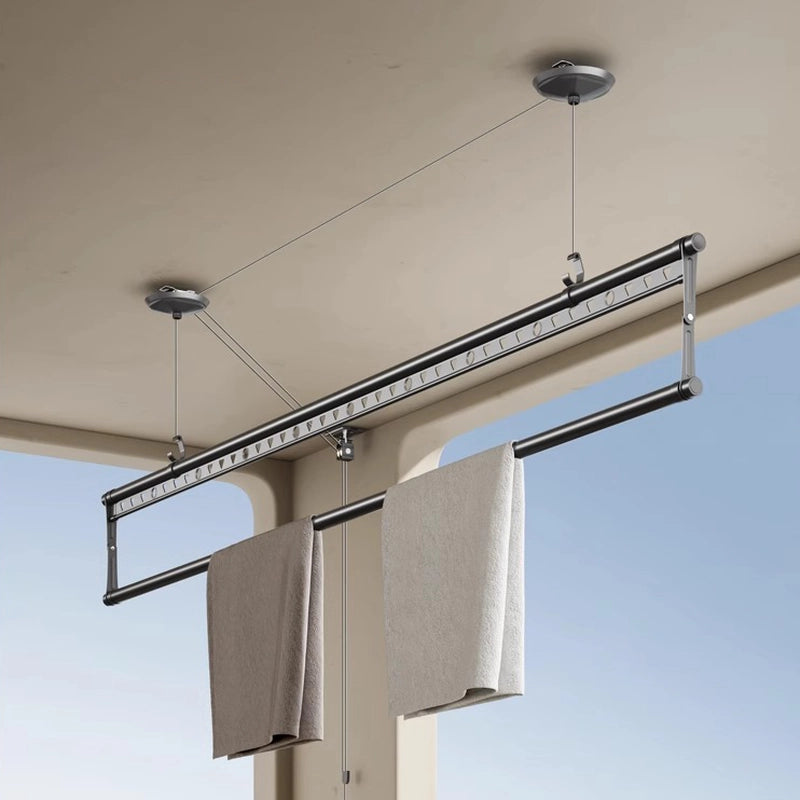
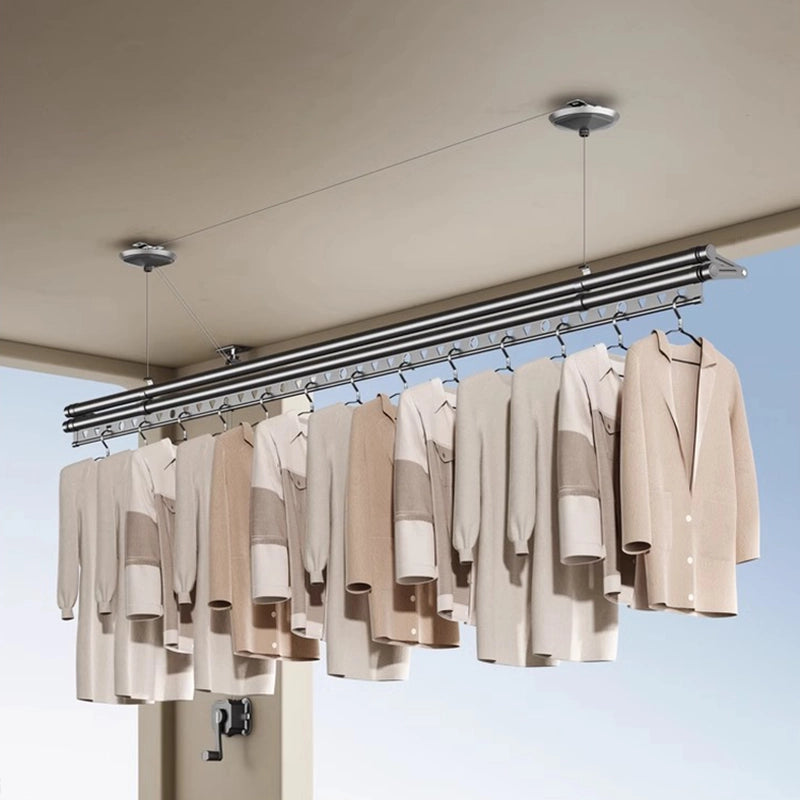
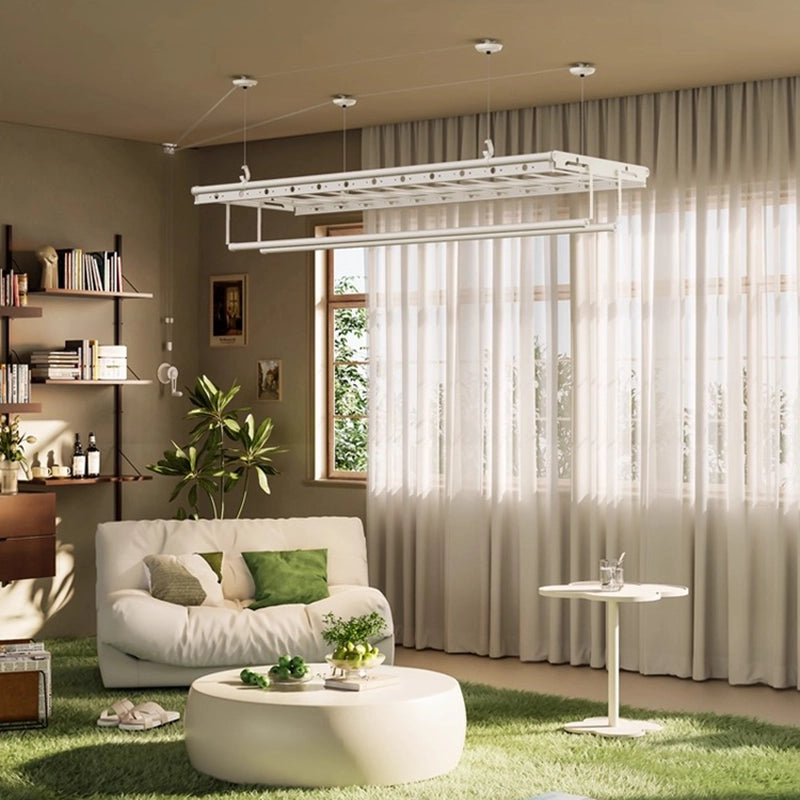
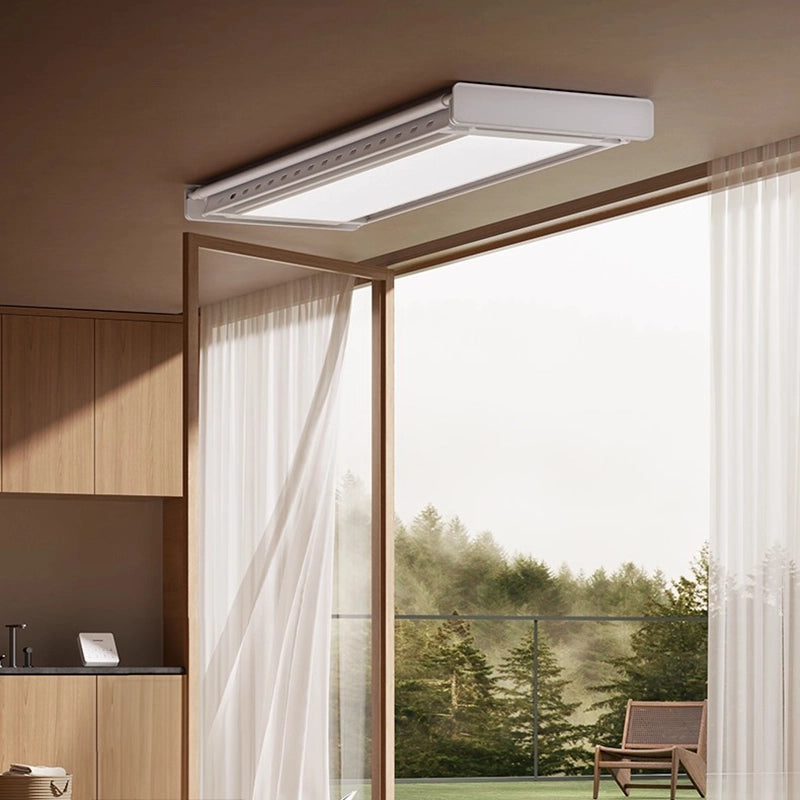
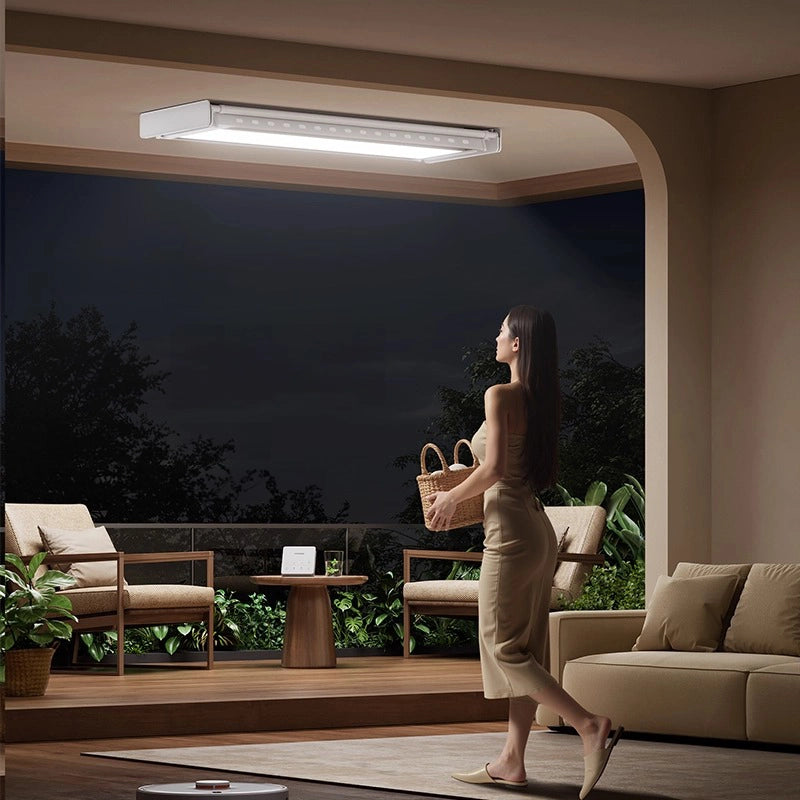
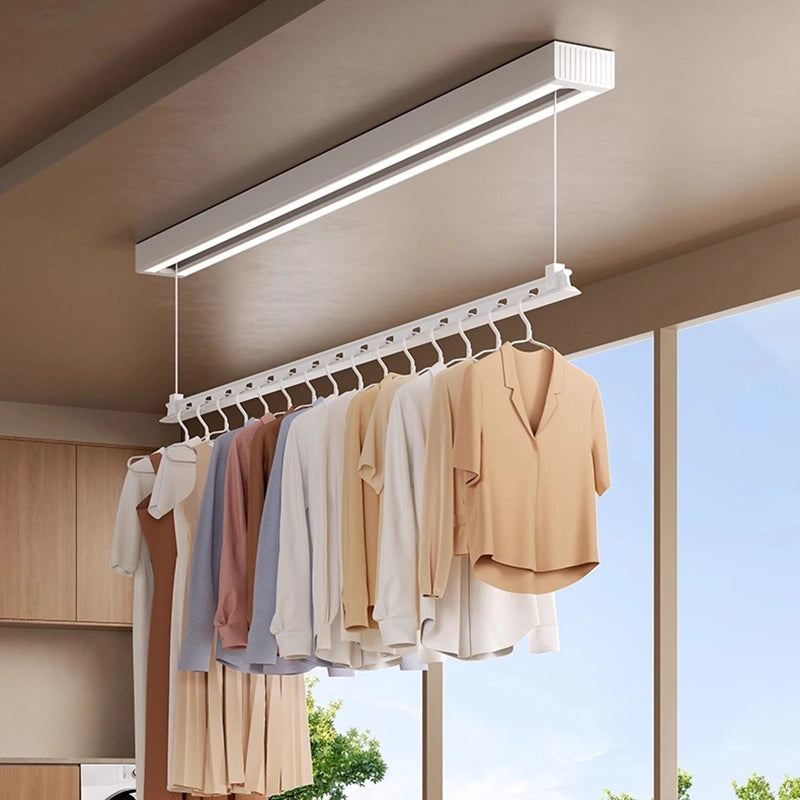
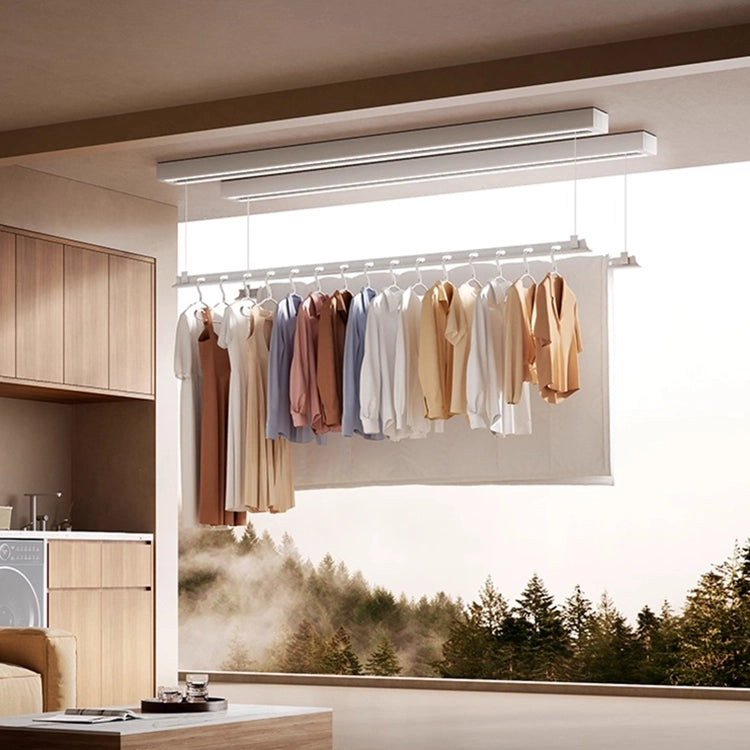
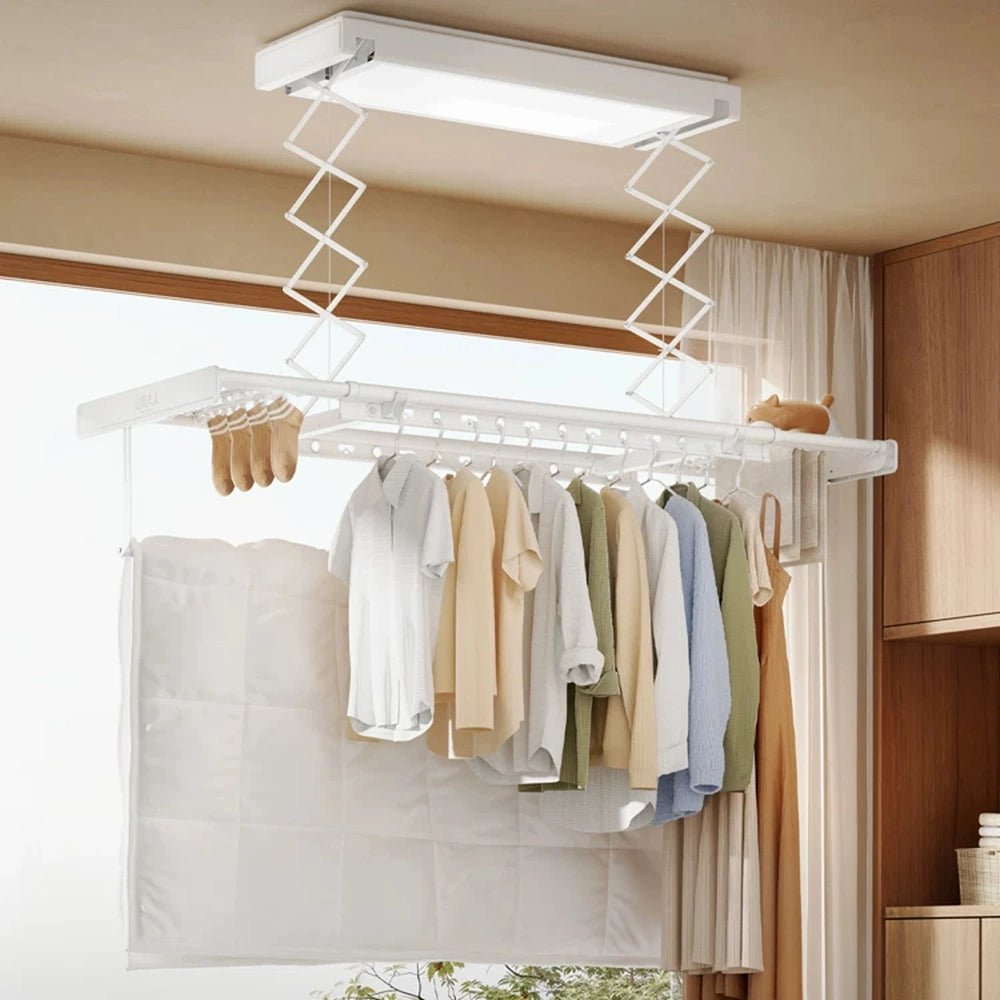
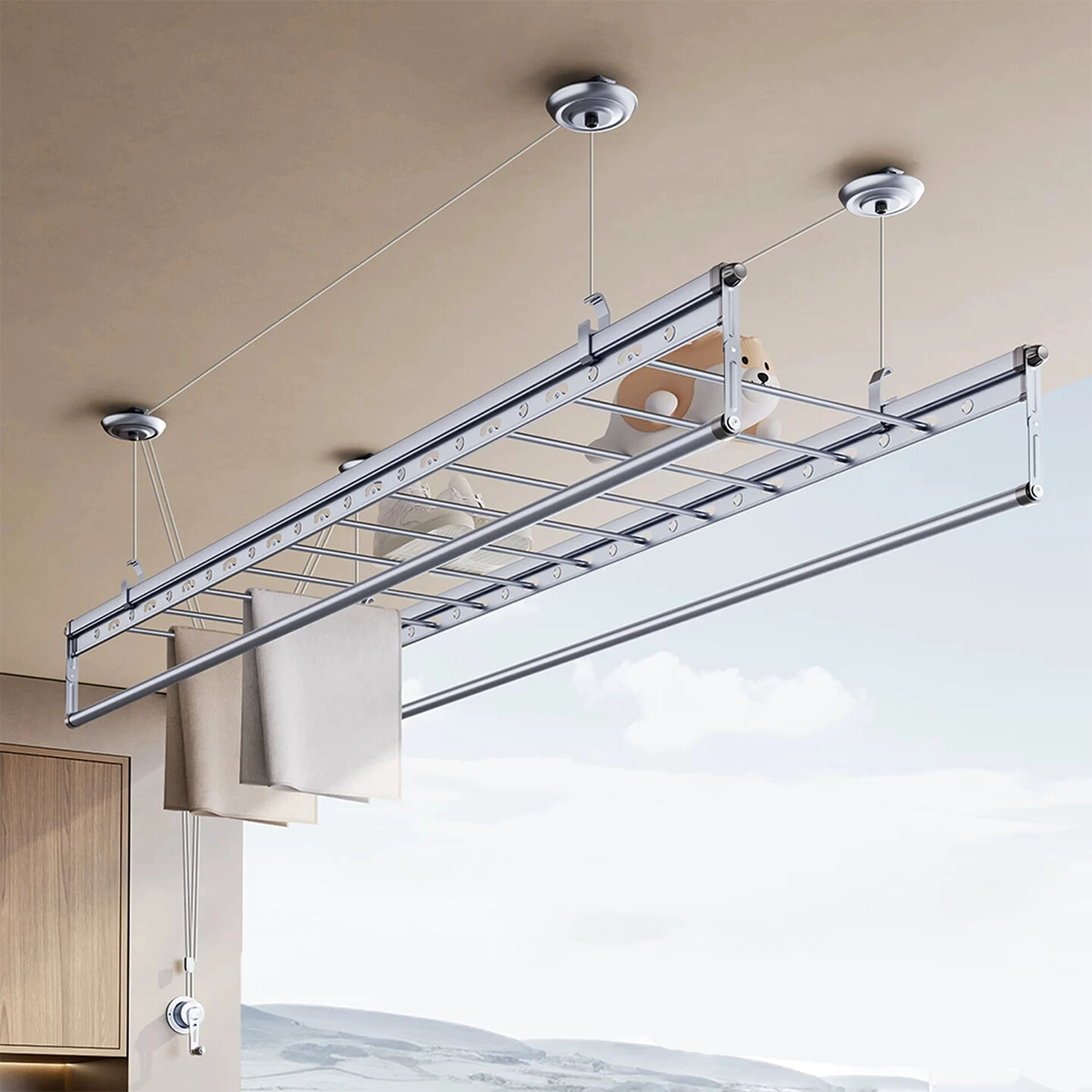
Où installer un étendoir à linge de plafond ?
Un étendoir de plafond peut être utile lorsque l’espace au sol est limité. Il peut convenir à un petit appartement, à une buanderie, à un espace de séchage réduit ou à un balcon couvert répondant aux conditions d’installation.
Petits appartements
Maintient le linge en hauteur et aide à préserver davantage d’espace au sol dans la pièce.
Balcons couverts
Utilise l’espace en hauteur et aide à garder davantage de surface au sol disponible. L’étendoir et son emplacement de montage doivent rester protégés de la pluie directe et des vents forts.
Buanderies
Crée un espace de séchage dédié sans ajouter d’étendoir sur pied.
Petits espaces de séchage
Aide à mieux organiser un espace limité réservé au séchage du linge.
De vraies personnes, de vrais intérieurs
Que vérifier avant l’installation ?
Certains plafonds nécessitent un renfort ou des fixations spécifiques. Vérifiez que la structure du plafond et les points de fixation conviennent au modèle sélectionné.
Prévoyez suffisamment d’espace pour abaisser l’étendoir, suspendre le linge puis le relever en toute sécurité.
Les espaces intérieurs ainsi que les balcons couverts ou fermés sont généralement plus adaptés que les zones extérieures exposées. Une humidité élevée prolongée et l’air salin des zones côtières peuvent affecter les matériaux du produit avec le temps. Respectez les conditions d’utilisation indiquées sur la fiche produit.
Choisissez le modèle selon la quantité de linge que vous faites habituellement sécher. Vérifiez la charge nominale et répartissez le linge uniformément.
Les modèles manuels utilisent un treuil ou une manivelle pour actionner le système de levage. Les modèles électriques assurent une montée et une descente motorisées et nécessitent une alimentation électrique adaptée.
Avant de commander, vérifiez l’espace nécessaire lorsque l’étendoir est complètement abaissé, ainsi que le dégagement autour des fenêtres, portes, luminaires, placards, tuyaux et zones de passage.
Découvrez le fonctionnement d’un étendoir de plafond manuel
Cette vidéo présente un exemple de modèle manuel. Le mode de fonctionnement et l’installation peuvent varier d’un modèle à l’autre ; consultez la fiche produit et les instructions d’installation correspondantes.
Questions fréquentes
Qu’est-ce qu’un étendoir à linge de plafond ?
Un étendoir de plafond se fixe au plafond ou à une autre structure porteuse adaptée et utilise l’espace en hauteur pour faire sécher le linge. Il peut convenir aux appartements, aux buanderies, aux petits espaces et à certains balcons couverts.
Un étendoir de plafond convient-il à un petit appartement ?
Il peut convenir si la structure du plafond, la hauteur disponible et l’espace d’installation sont adaptés. En maintenant le linge en hauteur, il peut aider à laisser davantage de surface au sol disponible dans les petites pièces de vie ou les espaces de séchage.
Quelle est la différence entre un étendoir de plafond manuel et électrique ?
Un modèle manuel utilise un treuil ou une manivelle pour actionner le système de levage. Un modèle électrique se lève et s’abaisse à l’aide d’un moteur, ce qui peut être plus pratique en cas d’utilisation fréquente ou d’installation en hauteur.
Qu’est-ce qu’un étendoir à poulies ?
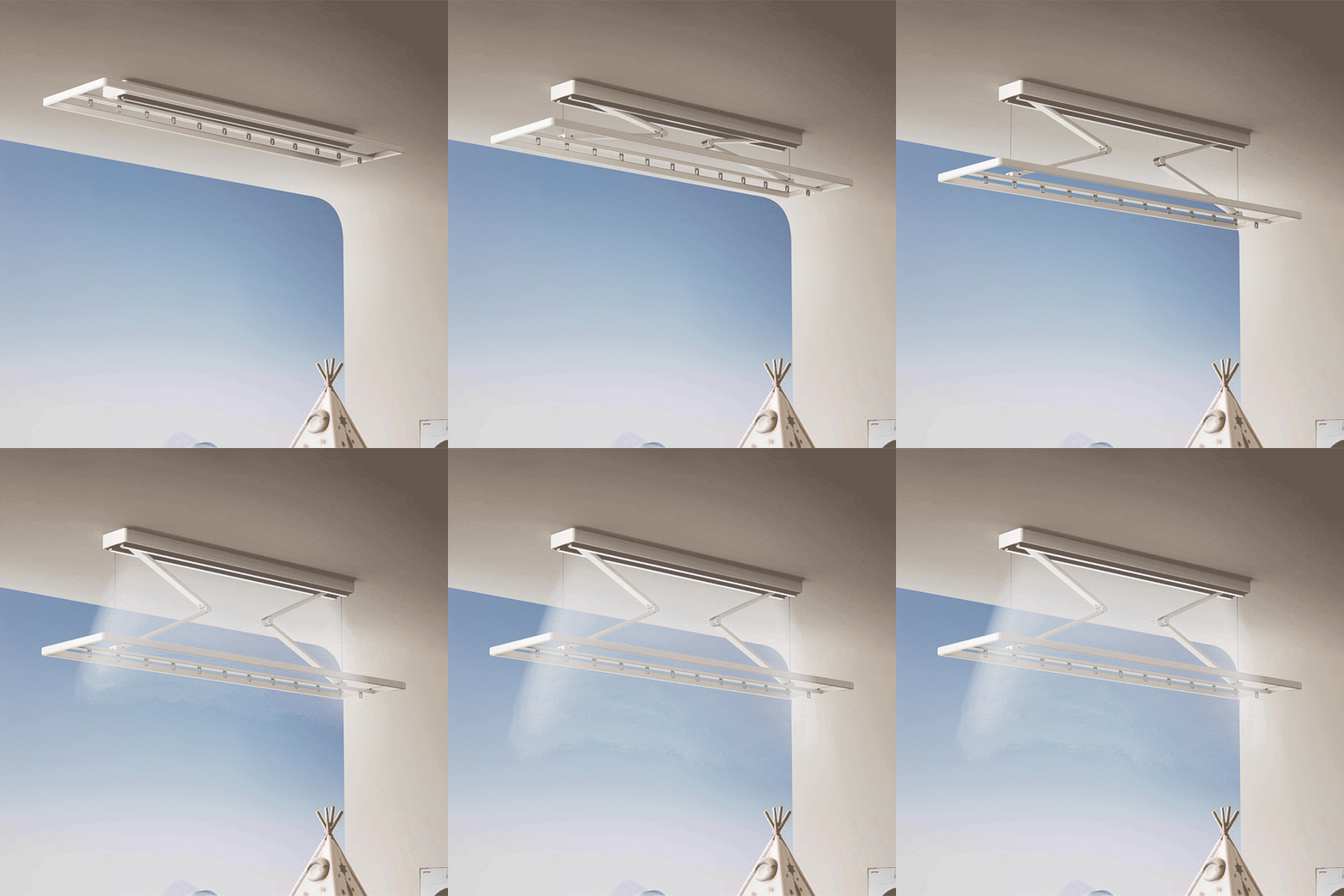
Un étendoir à poulies utilise un système de poulies pour abaisser les barres lors de la mise en place du linge, puis les relever pour le séchage. Le système se commande à l’aide d’un treuil manuel ou d’une manivelle. Il s’agit d’un système fixé au plafond qui ne nécessite pas d’électricité pour le levage.
Puis-je installer un étendoir à poulies sur un balcon couvert ?
Cela peut être possible si la structure du plafond convient au modèle choisi et à sa charge nominale, et si l’étendoir ainsi que son emplacement de montage restent protégés de la pluie directe et des vents forts. Avant l’installation, vérifiez la structure du plafond, les fixations compatibles, la charge nominale et les conditions d’utilisation indiquées sur la fiche produit.
Quel poids un étendoir de plafond peut-il supporter ?
La charge nominale varie selon le modèle et ses dimensions. La valeur indiquée suppose une installation correcte sur un plafond ou une structure porteuse adaptée, l’utilisation de fixations compatibles et une répartition uniforme du poids. Consultez la charge nominale indiquée sur la fiche du modèle EaseRack sélectionné.
Quel étendoir de plafond EaseRack choisir ?
Choisissez un modèle manuel à treuil ou à manivelle si vous préférez un système de levage sans électricité. Optez pour un modèle électrique si le levage motorisé convient mieux à une utilisation fréquente. Pour un petit appartement ou un balcon couvert étroit, comparez les dimensions, l’espace nécessaire lorsque l’étendoir est complètement abaissé et les exigences d’installation.
